Talking to Your Teen About Alcohol: A Parent's Guide
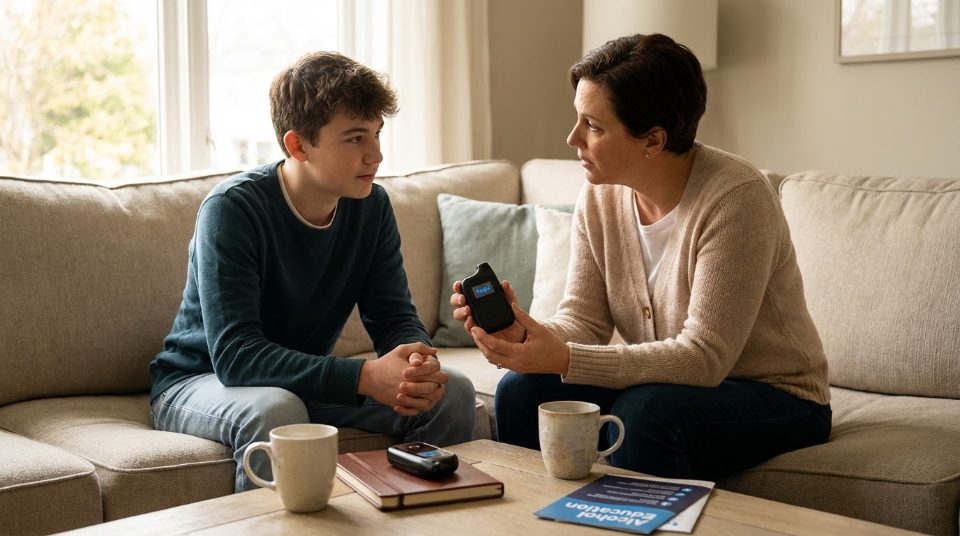
Few conversations make parents more uncomfortable than discussing alcohol with their teenagers. You want to be honest without encouraging experimentation and set boundaries without pushing them toward rebellion. Most importantly, you want them to make safe choices even when you're not around.
Research consistently shows that parents have more influence over their teen's drinking decisions than they realize. However, how you have these conversations matters as much as having them at all. Lecturing and scare tactics often backfire, while open dialogue builds the trust that keeps teens safer.
This guide covers evidence-based approaches for talking to your teenager about alcohol—when to start, what to say, and how to keep the conversation going as they grow.
Why These Conversations Matter
Parental Influence Is Real
Despite what it may seem, teenagers do listen to their parents. Studies show that teens whose parents talk to them about alcohol are significantly less likely to drink. Moreover, those who do drink tend to start later and consume less. Your voice competes with peer pressure, media, and curiosity—but it carries real weight.
The Teen Brain Is Uniquely Vulnerable
Adolescent brains are still developing, particularly the prefrontal cortex responsible for judgment and impulse control. Alcohol affects developing brains differently than adult brains, with greater potential for long-term cognitive impacts. Furthermore, early drinking strongly predicts later alcohol problems—teens who start drinking before age 15 are four times more likely to develop alcohol dependence than those who wait until 21.
Information Gaps Create Danger
Without accurate information, teens rely on myths, peer stories, and media portrayals. They may not understand how quickly alcohol impairs judgment, how dangerous alcohol poisoning is, or how to help a friend in trouble. Consequently, your conversations fill critical knowledge gaps that could save their life or someone else's.
When to Start the Conversation
Earlier Than You Think
Many parents wait until high school to discuss alcohol, but exposure often begins earlier. By middle school, most children have seen alcohol advertising, watched adults drink, and possibly encountered peers who've experimented. Therefore, age-appropriate conversations can start as early as 9-10, building a foundation before peer pressure intensifies.
Ongoing, Not One-Time
"The talk" shouldn't be a single awkward conversation. Instead, plan for ongoing dialogue that evolves as your teen matures. A 12-year-old needs different information than a 17-year-old, so regular check-ins normalize the topic and make it easier for your teen to come to you with questions or concerns.
Use Natural Opportunities
Forced sit-down conversations can feel like interrogations. Instead, use natural opportunities: a news story about drunk driving, a scene in a movie, a friend's older sibling getting in trouble. These moments allow discussion without the pressure of a formal "talk."
What to Say: Key Messages
Be Clear About Your Expectations
Teens need to know exactly where you stand, as ambiguity creates loopholes. Be explicit: "I expect you not to drink until you're 21" or "I expect you to never get in a car with someone who's been drinking." Clear expectations give teens something concrete to fall back on when facing peer pressure—"My parents would kill me" is actually a useful excuse.
Explain the Reasoning
"Because I said so" doesn't work with teenagers. They need reasons that make sense to them, so explain how alcohol affects developing brains differently than adult brains. Discuss how drinking impacts things they care about: athletic performance, academic achievement, driving privileges, college applications. Connect your rules to consequences they can understand.
Acknowledge Reality
Pretending teen drinking doesn't exist damages your credibility. Acknowledge that some of their peers drink, that alcohol is widely available, and that they'll face pressure. This honesty shows you understand their world and makes your guidance more relevant. You can acknowledge reality while still maintaining clear expectations.
Cover Safety Fundamentals
Even while discouraging drinking, equip them with safety knowledge:
- Protect your drink: Never leave a drink unattended, as tampering is real
- Avoid impaired drivers: Never get in a car with someone who's been drinking—call home instead
- Recognize danger signs: Know alcohol poisoning symptoms—confusion, vomiting, seizures, slow breathing
- Get help immediately: Never leave an unconscious person alone—call 911 right away
- Watch out for friends: Don't let impaired friends wander off alone
Create an Escape Route
Give your teen a judgment-free way out of uncomfortable situations. Many families use a code word or text that means "come get me, no questions asked." This lets them leave without losing face with peers. Promise to discuss what happened later, but not in the moment—the priority is getting them home safe.
How to Have the Conversation
Listen More Than Lecture
Teenagers tune out lectures, so ask questions and actually listen to their answers instead. What do they think about drinking? What do they see at school? What pressures do they face? Understanding their perspective helps you give relevant guidance. Moreover, feeling heard makes them more likely to hear you in return.
Stay Calm and Non-Judgmental
If your teen admits to drinking or asks questions, resist the urge to freak out. Explosive reactions shut down communication and guarantee they won't come to you next time. Stay calm, ask questions, express your concerns clearly, and address consequences as needed—but keep the door open for future conversations.
Be Honest About Your Past
"Did you drink as a teenager?" is a tough question. Lying damages trust if they find out, yet glorifying past drinking sends the wrong message. A balanced approach works best: be honest that you made some poor choices, share what you learned from them, and explain why you want better for them. Your mistakes can become teaching moments.
Choose the Right Setting
Some teens open up more during activities—driving in the car, walking the dog, shooting hoops. The lack of direct eye contact can make difficult topics easier. Others prefer sitting down face-to-face, so know your teen and choose settings where they're most comfortable talking.
Addressing Common Situations
Before They Go to a Party
Know where they're going, who's hosting, whether parents will be present, and how they're getting home. Remind them of your expectations and the escape route option. Afterward, ask how it went—not as an interrogation, but as genuine interest. If they share that drinking happened, use it as a conversation opportunity.
When You Suspect Drinking
Address it directly but calmly: "I think you've been drinking. Let's talk about it." Don't have a serious conversation while they're still impaired—wait until they're sober. Then discuss what happened, why it concerns you, and what consequences follow. Keep the focus on safety and trust rather than pure punishment.
If a Friend Has a Problem
Thank them for trusting you with this information and discuss what concerns them about their friend's drinking. Help them understand the difference between occasional experimentation and problem drinking. Consider whether the friend's parents should be informed—a difficult decision, but sometimes necessary. Support your teen in being a good friend while protecting their own wellbeing.
When They Question Adult Drinking
This is fair question that deserves a real answer. Explain that adult brains are fully developed and legal adults accept legal responsibility for their choices. Point out that many adults choose not to drink at all, and that drinking isn't necessary for a full life. Be honest if your own drinking gives you pause—modeling moderation matters.
Tools for Ongoing Dialogue
Make It Educational
Teens respond well to factual information presented without judgment. Consider teaching them about BAC, how alcohol affects the body, and how impairment works. A personal breathalyzer can make this tangible—demonstrating how just a couple drinks affect BAC provides a concrete lesson they'll remember.
Connect to Their Goals
Frame alcohol decisions in terms of what matters to them. Athletes can understand how alcohol impairs recovery and performance, while students applying to competitive colleges can recognize how an alcohol-related incident affects applications. Connecting drinking to their personal goals makes your guidance feel relevant rather than arbitrary.
Stay Actively Involved
Know their friends, welcome them into your home, and stay engaged with their social life. Teens with involved parents are less likely to drink. Your presence doesn't have to be intrusive—just visible and caring. Knowing you're paying attention influences their choices even when you're not physically present.
The Bottom Line
Talking to your teenager about alcohol isn't comfortable, but it's essential. Your influence matters more than you might think, and open, ongoing dialogue—not lectures or scare tactics—builds the trust that keeps teens safer.
Start early, be clear about expectations, explain your reasoning, and equip them with safety knowledge. Listen more than you lecture, stay calm when they test boundaries, and keep the conversation going as they mature.
Ultimately, your goal isn't to control their every decision—it's to give them the knowledge and judgment to make safe choices when you're not around. That starts with conversations that feel like dialogue, not dictation.
|
Make It a Teaching Moment The tuul® Breeze is a professional-grade portable breathalyzer that can help parents educate teens about alcohol's real effects. Demonstrating how BAC rises with just a couple drinks makes the lesson concrete and memorable. It's also there if you ever need to verify sobriety before handing over the car keys. |
Frequently Asked Questions
What age should I start talking to my child about alcohol?
Age-appropriate conversations can begin around 9-10 years old, before peer pressure intensifies. Early conversations focus on basic facts and your family's values. As children mature, discussions become more detailed and address specific situations they may encounter. The key is ongoing dialogue that evolves with their development.
Should I let my teen drink at home where it's safe?
Research doesn't support this approach. Studies show that teens allowed to drink at home aren't less likely to have alcohol problems—and may actually be more likely to develop them. Additionally, providing alcohol has legal implications in many states. Clear expectations about not drinking until legal age, combined with harm reduction education, is the safer approach.
How do I compete with peer pressure?
You compete by building a relationship where your opinion matters. Teens who feel connected to their parents and respected by them give more weight to parental guidance. Additionally, give them tools to resist pressure: clear expectations they can cite, an escape route when situations get uncomfortable, and the confidence to make independent choices.
What if my teen catches me drinking irresponsibly?
Own it honestly by acknowledging that you made a poor choice and explaining what you should have done differently. Commit to doing better going forward. Your willingness to admit mistakes and learn from them models the behavior you want from them. Perfection isn't required—but accountability is.
My teen won't talk to me about anything. How do I start?
Start small and don't force it. Use natural opportunities like news stories or situations in shows you watch together, and ask their opinions rather than lecturing. Accept short answers without pushing for more. Over time, consistent low-pressure engagement builds comfort. If they truly won't talk to you, consider whether a trusted relative, family friend, or counselor might be able to have these conversations.