Talking to Your Doctor About Alcohol: What to Know Before Your Appointment
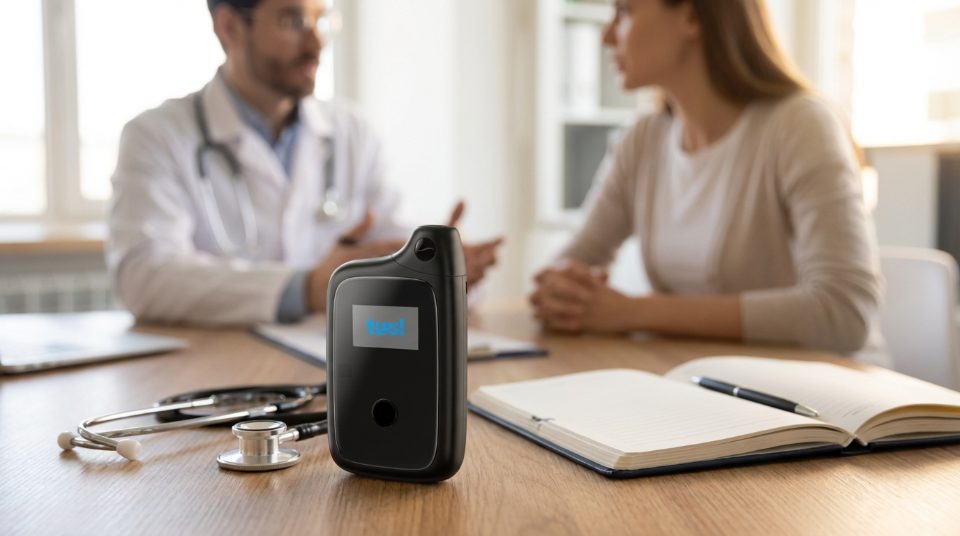
"How much do you drink?"
It's a simple question, but for many people, it triggers anxiety. You might minimize your drinking, give a vague answer, or outright lie. You're not alone—studies show most patients significantly underreport alcohol use to their doctors.
This guide explains why honest conversations about alcohol matter for your health, what your doctor actually does with this information, and how to prepare for a productive discussion about your drinking.
Why Doctors Ask About Alcohol
Your doctor isn't asking to judge you. They're asking because alcohol affects nearly every aspect of your health and medical care:
Medication Interactions
Alcohol interacts with hundreds of medications—sometimes dangerously. Common interactions include:
- Pain medications: Alcohol amplifies effects of opioids and can cause fatal respiratory depression
- Antibiotics: Some antibiotics cause severe reactions when combined with alcohol
- Blood thinners: Alcohol increases bleeding risk
- Diabetes medications: Alcohol can cause dangerous blood sugar swings
- Antidepressants: Alcohol reduces effectiveness and increases side effects
- Sleep aids: Combined sedative effects can be dangerous
Without accurate information about your drinking, your doctor might prescribe something that interacts badly with alcohol—or fail to warn you about risks.
Diagnostic Accuracy
Many symptoms have multiple possible causes. Knowing your alcohol use helps your doctor interpret:
- Liver function tests: Elevated enzymes might indicate alcohol-related liver stress rather than other conditions
- Blood pressure: Alcohol raises blood pressure; knowing your intake affects treatment decisions
- Sleep problems: Alcohol disrupts sleep architecture, even if you fall asleep easily
- Digestive issues: Acid reflux, gastritis, and other GI problems often relate to alcohol
- Mental health: Anxiety and depression can be caused or worsened by drinking
If your doctor doesn't know you drink heavily, they might order unnecessary tests, miss the actual cause of your symptoms, or prescribe treatments that won't work.
Surgical and Procedural Safety
Before any surgery or procedure involving anesthesia, your drinking matters significantly:
- Heavy drinkers may need different anesthesia dosages
- Alcohol withdrawal during hospitalization can be life-threatening
- Bleeding risks increase with regular alcohol use
- Recovery and healing are affected by drinking patterns
What Happens With This Information?
Many people worry about consequences from telling their doctor the truth. Here's what actually happens:
It Stays Confidential
Doctor-patient confidentiality protects your information. Your doctor can't share your medical records with employers, insurers (in most cases), family members, or anyone else without your consent. What you discuss stays between you and your healthcare team.
You Won't Be Lectured
Good doctors don't lecture or shame patients about drinking. They provide information, assess risk, and offer support if you want it. You're not going to be scolded like a teenager caught sneaking beer.
You'll Get Better Care
Honest information enables better care. Your doctor can make informed decisions about medications, interpret test results correctly, watch for alcohol-related health issues, and provide appropriate preventive care.
Resources Are Available If You Want Them
If you're concerned about your drinking, your doctor can connect you with resources—but only if you want them. There's no mandatory reporting, no forced treatment, no automatic consequences. You're in control of what happens next.
How to Prepare for the Conversation
Know Your Numbers
Before your appointment, think honestly about your drinking patterns:
- How many days per week do you drink? Count honestly, including "just a glass of wine with dinner."
- How many drinks per occasion? Remember that a "drink" has a specific definition—many pours are actually 2-3 standard drinks.
- What's a typical week look like? Total drinks per week gives a clearer picture than "a few."
- Any binge episodes? Binge drinking (4+ drinks for women, 5+ for men in one session) matters even if weekly totals seem moderate.
Track Your Drinking Beforehand
If you're unsure about your patterns, track your drinking for a week or two before your appointment. Use a notes app, a dedicated tracking app, or a personal breathalyzer to log actual consumption. Many people are surprised by what the data reveals.
Having concrete data—"I had 14 drinks last week, with most on Friday and Saturday"—is more useful to your doctor than vague estimates like "I drink socially" or "maybe a few times a week."
Prepare Questions
If you have concerns about your drinking, write down questions beforehand:
- Is my current drinking level risky for my health?
- Are any of my medications affected by alcohol?
- What would cutting back look like for me?
- Are there resources if I want help reducing my drinking?
- Should I be concerned about withdrawal if I stop suddenly?
What Your Doctor May Ask
Doctors often use standardized screening questions. Understanding these helps you provide useful answers:
The AUDIT-C Questions
Many doctors use the AUDIT-C, a brief screening tool:
- How often do you have a drink containing alcohol?
- How many drinks containing alcohol do you have on a typical day when you're drinking?
- How often do you have 6 or more drinks on one occasion?
Additional Questions They Might Ask
- Have you ever felt you should cut down on your drinking?
- Have people annoyed you by criticizing your drinking?
- Have you ever felt guilty about drinking?
- Have you ever had a drink first thing in the morning?
- Has drinking caused problems at work, home, or in relationships?
These questions aren't accusations—they help your doctor understand your relationship with alcohol and identify any areas of concern.
Why Tracking Your Drinking Helps
Tracking your alcohol consumption before a doctor's appointment serves multiple purposes:
- Accuracy: Memory is unreliable, especially for habitual behaviors. Tracking gives you real data instead of estimates.
- Self-awareness: The act of tracking often reveals patterns you hadn't noticed. You might discover you drink more (or less) than you thought.
- Better conversation: Concrete data leads to more productive discussions. "I tracked 18 drinks last week" is more useful than "probably moderate."
- Baseline measurement: If you decide to cut back, knowing your starting point helps you measure progress.
A personal breathalyzer adds another dimension to tracking. Instead of just counting drinks, you can see your actual BAC—which often surprises people. Knowing that your "three glasses of wine" put you at 0.09% BAC provides useful context for health discussions.
The Bottom Line
Your doctor asks about alcohol because it affects your health and the care they provide. Honest answers lead to better treatment decisions, more accurate diagnoses, and safer medication prescriptions.
The information stays confidential. You won't be judged or lectured. And you're in control of what happens next—whether that's continuing as you are, getting resources to cut back, or simply having a more informed conversation about your health.
Tracking your drinking before your appointment—whether through simple counting or breathalyzer measurement—helps you provide accurate information and have a more productive conversation with your healthcare provider.
|
Know Your Numbers Before Your Appointment The tuul® Breeze is a professional-grade portable breathalyzer that helps you track your actual alcohol consumption. See your real BAC, understand your patterns, and bring accurate data to your healthcare conversations. |
Frequently Asked Questions
Will my doctor report my drinking to my employer or insurance?
No. Doctor-patient confidentiality protects your medical information. Your doctor cannot share your records with employers, and health insurance companies generally cannot access detailed visit notes. There are very limited exceptions (court orders, imminent danger to others), but routine drinking discussions are always confidential.
What counts as 'heavy drinking' medically?
The NIAAA defines heavy drinking as more than 4 drinks per day or 14 per week for men, and more than 3 drinks per day or 7 per week for women. Binge drinking (4+ drinks for women, 5+ for men in about 2 hours) is also considered risky regardless of weekly totals.
Should I stop drinking before blood tests?
Ask your doctor. For some tests, recent drinking affects results. For others, it doesn't matter. If your doctor is specifically checking liver function or alcohol biomarkers, they may want you to abstain for a period beforehand—but they need to know your normal drinking pattern to interpret results accurately.
What if I'm embarrassed about how much I drink?
Remember that doctors see patients across the entire spectrum of drinking, from none to severe alcohol use disorder. Your drinking level is unlikely to surprise them. Their job is to help you, not judge you. Providing accurate information helps them do that job better.
Can my doctor force me into treatment?
No. Unless you're in imminent danger to yourself or others, treatment for alcohol issues is always voluntary. Your doctor may recommend resources or suggest cutting back, but the decision about what to do is entirely yours. Many people discuss drinking with their doctors without any treatment being suggested or needed.