Super Bowl Drinking Safety: How to Enjoy the Big Game Responsibly
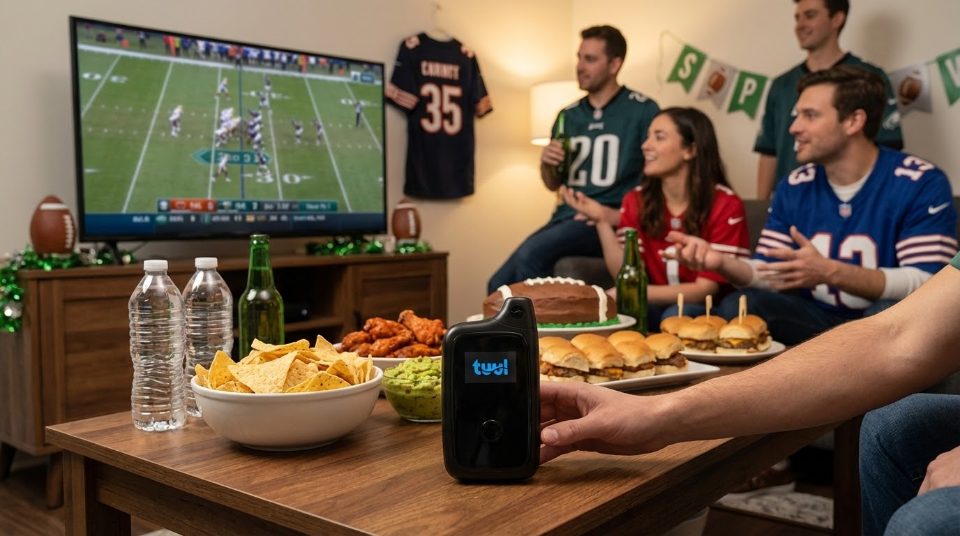
Super Bowl Sunday is America's second-largest eating day—and one of its heaviest drinking days. Millions gather at parties, bars, and restaurants to watch the game, and for many, alcohol flows from pregame through the final whistle and beyond.
The consequences show up in the data. DUI arrests increase significantly on Super Bowl Sunday, and fatalities involving alcohol-impaired drivers spike in the hours after the game ends. What starts as a fun celebration can quickly turn dangerous when people underestimate how much they've consumed over a 4-5 hour event.
This guide helps you enjoy the big game while staying safe—whether you're hosting, attending a party, or watching at a bar.
Why Super Bowl Sunday Is a High-Risk Drinking Day
Extended Drinking Window
Super Bowl parties typically start hours before kickoff. Pregame coverage, early arrivals, and food preparation mean drinking often begins mid-afternoon. The game itself runs 3-4 hours with halftime, and post-game celebrations can extend well into the night. This timeline creates a 6-8 hour drinking window that far exceeds a typical evening out.
Distracted Consumption
When you're focused on the game, tracking drinks becomes an afterthought. Someone hands you a beer during a big play, you grab another during halftime, and suddenly you've lost count. The constant activity and excitement mask how much alcohol you're actually consuming. Additionally, commercial breaks and halftime create natural "refill" moments that accelerate drinking.
Party Atmosphere Pressure
Social gatherings create drinking pressure. Hosts keep offering drinks, friends buy rounds, and the celebratory atmosphere encourages excess. People who would normally stop at two or three drinks find themselves matching the pace of heavier drinkers around them. Moreover, refusing drinks can feel like dampening the party spirit.
Sunday Night Driving
The game ends late on a Sunday, and most people have work Monday morning. This creates pressure to drive home rather than wait to sober up or find alternative transportation. The roads fill with potentially impaired drivers all at once as parties end, significantly increasing accident risk.
If You're Hosting a Super Bowl Party
Provide Plenty of Food
Food slows alcohol absorption and helps guests pace themselves. Go beyond chips and dip—offer substantial options with protein and fat. Classic game day foods like wings, sliders, chili, and loaded nachos work perfectly. Keep food available throughout the game, not just at the beginning.
Stock Non-Alcoholic Options
Not everyone wants to drink, and those who are pacing themselves need alternatives. Offer a variety of non-alcoholic beverages beyond just water and soda. Mocktails, sparkling water, and non-alcoholic beer let people participate in the drinking ritual without the alcohol. Make these options visible and accessible.
Stop Serving Alcohol Before the Game Ends
Consider cutting off alcohol service during the fourth quarter. This gives guests time to metabolize some alcohol before driving home. Switch to coffee, water, and dessert for the final portion of the party. Your guests might not notice or care by that point—they're focused on the game.
Have a Transportation Plan Ready
As the host, you bear some responsibility for guests getting home safely. Have rideshare apps ready to help people book rides. Know local taxi numbers. Offer your couch or spare room to anyone who shouldn't drive. Consider collecting keys at the door if you know heavy drinking will occur—this removes the temptation entirely.
Offer Breathalyzer Testing
Having a breathalyzer available turns "am I okay to drive?" from a guess into a fact. Many guests will be curious to test themselves, and seeing their actual BAC often changes their decision about driving. Present it casually—it's a tool, not an accusation.
If You're Attending a Party
Arrange Transportation Before You Arrive
Decide how you're getting home before you have your first drink. Options include designating a sober driver who commits to zero alcohol, planning to rideshare both ways, arranging to stay overnight, or asking someone sober to pick you up. The key is making this decision while completely sober.
Eat Before and During the Game
Don't arrive to a party on an empty stomach. Eat a real meal before you go, then continue eating throughout the game. Food substantially slows alcohol absorption. The party spread isn't just for enjoyment—it's a safety tool.
Set a Drink Limit and Track It
Decide in advance how many drinks you'll have, then actually track your consumption. Use your phone, move coins between pockets, or any method that works for you. It's easy to lose count over a multi-hour event, and "I only had a few" often turns out to be significantly more.
Pace Yourself Throughout
Your body processes roughly one standard drink per hour. For a 5-hour party, that's only 5 drinks to stay roughly even with metabolism. Drink slowly, alternate with water, and resist the urge to keep up with faster drinkers around you. The marathon approach beats trying to sprint through game day.
Know When to Stop
Give yourself buffer time before you need to leave. If the game ends at 10 PM and you need to drive, stop drinking well before then—ideally by halftime if you've been drinking steadily. Your BAC continues rising after your last drink as alcohol absorbs, so "one more" late in the game can push you over the limit.
If You're Watching at a Bar or Restaurant
Plan Transportation in Advance
You're definitely drinking if you're watching at a bar. Accept this reality and plan accordingly. Take rideshare both ways, designate a driver before you arrive, or choose a venue within walking distance of home. Don't tell yourself you'll "figure it out later"—that's how DUIs happen.
Order Food With Your Drinks
Bar food exists for a reason. Order real food, not just appetizers to share. Eating while drinking significantly reduces peak BAC. A burger and fries might add to your bill, but they'll also slow down intoxication and reduce tomorrow's hangover.
Expect Surge Pricing After the Game
Rideshare prices spike when major events end and everyone requests rides simultaneously. Budget for this in advance so you're not tempted to drive when you see the surge multiplier. A $60 ride home costs a fraction of a DUI. Consider leaving a few minutes before the game ends to beat the rush if the outcome is clear.
Check Your BAC Before Leaving
Bring a personal breathalyzer or use one if the bar has one available. After hours of drinking in a loud, exciting environment, you genuinely can't assess your own impairment accurately. Objective data tells you whether you're safe to drive—and after a Super Bowl party at a bar, you probably aren't.
Getting Home Safely After the Game
Don't Trust Your Judgment
Alcohol impairs the very judgment you need to assess whether you're impaired. "I feel fine" means nothing after hours of drinking. People routinely feel capable while blowing well over the legal limit. Use objective measures—a breathalyzer, the opinion of a sober friend, or simply assume you shouldn't drive.
Accept Alternative Transportation
Rideshare, taxi, sober driver, walking, or staying where you are—any of these beats driving impaired. The inconvenience is temporary; a DUI conviction affects years of your life. Let go of your car for the night and retrieve it tomorrow when you're actually sober.
Wait Longer Than You Think Necessary
Your body eliminates alcohol at roughly 0.015% BAC per hour. After heavy drinking, it takes much longer to reach zero than people expect. If you stopped drinking at 10 PM, you might still be impaired at midnight or later. When in doubt, wait it out or find another way home.
The Bottom Line
Super Bowl Sunday is meant to be fun—great food, great company, hopefully a great game. Don't let it become a night you regret because you didn't plan for how to get home safely.
The extended drinking window makes this day riskier than typical nights out. Alcohol accumulates over hours of celebration, and by game's end, many people are far more impaired than they realize. Whether you're hosting or attending, plan transportation before the first drink, pace yourself throughout, eat plenty of food, and use objective measures to assess your sobriety.
Ultimately, the best Super Bowl memories are the ones that don't include handcuffs, hospital visits, or regret. Plan ahead, and Monday morning will just bring a normal workday—not a court date.
|
Make It Part of Your Game Day Gear The tuul® Breeze is a professional-grade portable breathalyzer that takes the guesswork out of post-party decisions. Before you reach for your keys, a quick test tells you whether you're safe to drive or should call that rideshare. It's the MVP of responsible celebrating. |
Frequently Asked Questions
How many drinks can I have during the Super Bowl and still drive?
There's no universal safe number because it depends on body weight, food intake, drinking pace, and individual metabolism. Generally, one drink per hour keeps most people under the legal limit—but that's only 4-5 drinks over the entire game and pregame. More importantly, impairment begins before you hit the legal limit. After a full Super Bowl party, assume you shouldn't drive unless you've verified your BAC.
Should hosts be worried about liability if guests drive drunk?
Social host liability laws vary by state, but in many places, hosts can face civil or even criminal liability if they serve alcohol to visibly intoxicated guests who then cause accidents. Beyond legal concerns, you don't want to live with the knowledge that you let someone drive who shouldn't have. Take reasonable steps to ensure guests get home safely.
What's the best way to pace myself during a long game?
Set a limit before you start, then track each drink. Alternate alcoholic drinks with water or other non-alcoholic beverages. Eat consistently throughout the game—don't just snack at the beginning. Consider stopping alcohol entirely at halftime or during the fourth quarter to give your body time to process before driving home.
Is it really that dangerous to drive after the Super Bowl?
Yes. Studies consistently show increased DUI arrests and alcohol-related fatalities on Super Bowl Sunday, particularly in the hours after the game ends. Roads fill with potentially impaired drivers all at once, police increase patrols knowing it's a high-risk night, and people who feel "fine" often aren't. Treat it as a high-risk driving night and plan accordingly.
What if I'm the designated driver but want to have just one drink?
Then you're not actually a designated driver. The commitment means zero alcohol, period. One drink early in the evening might technically keep you under the legal limit, but it sets a bad precedent, invites "just one more," and breaks the trust of people counting on you. If you want to drink at all, find alternative transportation for the group.