St. Patrick's Day Drinking Safety: How to Celebrate Without Regret
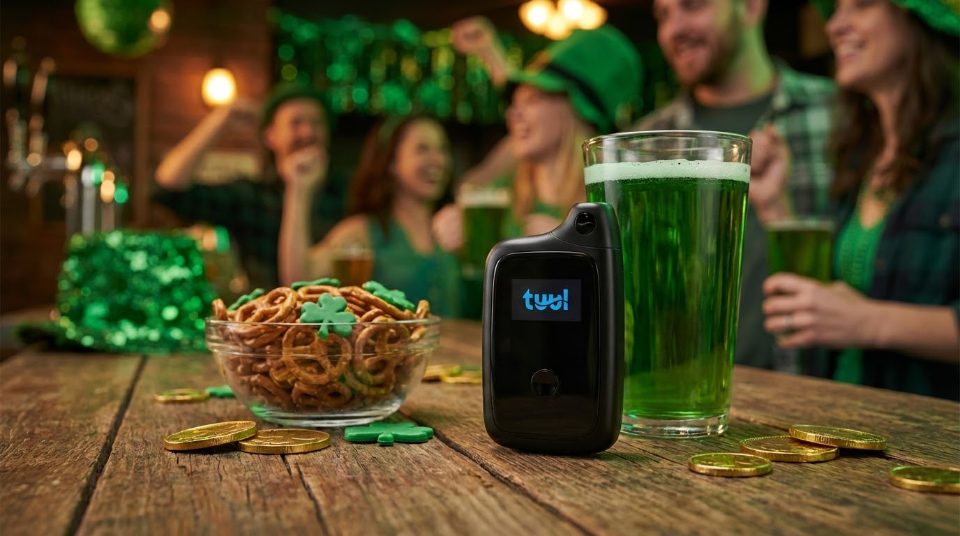
Green beer, Irish whiskey, pub crawls, and parades—St. Patrick's Day has become one of America's biggest drinking holidays. What started as a religious feast day has evolved into a celebration where alcohol takes center stage.
The statistics reflect this reality. DUI arrests spike dramatically on March 17th, with some areas reporting increases of 50% or more compared to typical days. Emergency room visits for alcohol-related incidents surge as well. Many people who rarely drink to excess find themselves overindulging because "it's St. Patrick's Day."
This guide helps you celebrate the holiday while avoiding the consequences that can follow—DUI charges, accidents, alcohol poisoning, or simply a hangover that ruins your entire week.
Why St. Patrick's Day Is Particularly Risky
All-Day Drinking Culture
Unlike most drinking occasions that start in the evening, St. Patrick's Day celebrations often begin early. Many bars open for breakfast, parades happen mid-morning, and "day drinking" is not just accepted but expected. This extended timeline means people accumulate far more alcohol than on a typical night out. By evening, someone who started at 10 AM has been drinking for 10+ hours.
Amateur Drinkers Join In
St. Patrick's Day attracts people who don't normally drink heavily. They lack experience judging their limits, pacing themselves, or recognizing when they've had too much. Consequently, these "amateur night" participants are more likely to overdo it and make dangerous decisions like driving when impaired.
Social Pressure Intensifies
The holiday creates intense social pressure to drink. Refusing feels like refusing to celebrate, and ordering water or soda invites unwanted attention. People who would normally stop at two drinks find themselves matching the pace of heavier drinkers around them. Moreover, the festive atmosphere makes it harder to exercise normal judgment.
Midweek Timing Creates Problems
March 17th falls on whatever day it falls on—often a weekday. People who celebrate hard on a Tuesday still have work Wednesday morning. This creates pressure to drive home rather than find alternative transportation, and it means dealing with consequences (hangover, fatigue, impaired performance) during work hours.
Planning Your Celebration
Arrange Transportation First
Before you put on anything green, solve the transportation question. Your options include designating a sober driver (who commits to zero alcohol all day), booking rideshare in advance, staying within walking distance of home, or planning to stay where you're celebrating. The key is deciding this while completely sober, not figuring it out after hours of drinking.
Eat Before and During
A full stomach dramatically slows alcohol absorption. Eat a substantial breakfast before you start drinking, have real food for lunch, and snack throughout the day. Traditional Irish food like shepherd's pie, corned beef, or fish and chips provides the protein and fat that best slow alcohol uptake. Don't rely on bar snacks alone.
Set a Drink Limit
Decide in advance how many drinks you'll have. Write it down or tell a friend to create accountability. For an all-day celebration, even a "generous" limit of 6-8 drinks over 8-10 hours keeps most people functional. Without a limit, it's easy to lose count and wake up the next day regretting everything.
Pace Yourself Deliberately
Your body processes roughly one standard drink per hour. Drinking faster than that means alcohol accumulates in your system. Set a pace—one drink per hour or even slower for all-day events. Alternate alcoholic drinks with water. Nurse your drinks rather than racing through them. The marathon approach beats the sprint.
During the Celebration
Track Your Drinks
It's easy to lose count over a long day, especially when people are buying rounds. Use your phone to track each drink, or use a simple method like moving coins from one pocket to another. Knowing your actual consumption helps you make better decisions about when to stop.
Stay Hydrated
Alcohol dehydrates you, and dehydration worsens impairment and hangovers. Drink water between alcoholic drinks—at minimum, one glass of water per drink. Most bars will give you free water; take advantage of it. Your future self will thank you.
Watch Your Friends
Look out for the people you're with, and let them look out for you. If someone seems too intoxicated, help them stop drinking and get water and food. Don't let friends drive impaired or leave with strangers. The buddy system saves lives on heavy drinking holidays.
Recognize Your Limits
Know the signs that you've had enough: difficulty focusing, slurred speech, stumbling, or making decisions that sober-you would question. When you notice these signs, switch to water and food. Better to stop an hour early than push through to regret.
Getting Home Safely
Accept the Surge Pricing
Rideshare prices spike on St. Patrick's Day, especially at bar close. A $60 ride that's normally $20 feels expensive in the moment but costs a fraction of a DUI. Factor this into your celebration budget from the start so you're not tempted to drive when the bill appears.
Check Your BAC Before Deciding
After a full day of drinking, you likely can't accurately assess your impairment. A breathalyzer gives you objective data. If you're over 0.08%—or even close to it—don't drive, period. Many people feel "fine" at levels that would result in DUI arrest and impaired driving.
Wait Longer Than You Think
If you stop drinking at midnight, you're not automatically safe to drive at 2 AM. Your body eliminates alcohol at roughly 0.015% BAC per hour. After heavy all-day drinking, you might still be impaired the next morning. When in doubt, wait it out or find another way home.
Stay Where You Are
Sometimes the best transportation plan is no transportation at all. If you're at a friend's house, sleep on the couch. If you're at a hotel bar, you're already home. Even an expensive last-minute hotel room costs less than a DUI. Eliminating the need to travel removes the temptation to drive.
The Morning After
You Might Still Be Impaired
Many St. Patrick's Day DUIs happen the morning after. Someone who drank heavily until midnight and slept a few hours may still be over the legal limit at 7 AM. If you drank heavily the night before, check your BAC before driving to work or anywhere else. "Sleeping it off" doesn't always work.
Hangover Impairs Driving Too
Even at 0.00% BAC, a severe hangover affects driving ability. Fatigue, headache, nausea, and difficulty concentrating all impair your reaction time and judgment. Consider working from home if possible, or at least delay your commute until you feel genuinely functional. Additionally, hangover symptoms can mask continuing impairment from residual alcohol.
Recovery Takes Time
Heavy all-day drinking takes longer to recover from than a typical night out. Be realistic about your productivity and abilities the next day. Don't schedule important meetings, difficult conversations, or anything requiring peak performance. Your body needs time to recover fully.
The Bottom Line
St. Patrick's Day can be fun without becoming a disaster. The keys are planning ahead for transportation, pacing yourself throughout the day, eating and hydrating consistently, and making sober decisions about getting home.
The holiday's all-day drinking culture makes it uniquely risky. More hours of drinking means more accumulated alcohol, more impaired judgment, and more opportunity for things to go wrong. Treat it differently than a typical night out.
Ultimately, the best St. Patrick's Day is one you remember fondly—not one that ends with handcuffs, a hospital visit, or regret that lasts long after the green beer is gone.
|
Know Your Number Before You Go The tuul® Breeze is a professional-grade portable breathalyzer that fits easily in your pocket. After a long day of celebrating, a quick test tells you whether you're safe to drive or need to call that rideshare. Don't guess your way into a DUI—know your actual BAC. |
Frequently Asked Questions
How many drinks can I have and still drive safely?
There's no universal safe number because it depends on your body weight, how quickly you drink, food intake, and individual metabolism. Generally, one drink per hour keeps most people under the legal limit—but impairment begins before you reach that limit. After all-day drinking, your only safe assumption is that you shouldn't drive until you've verified your BAC.
Is green beer stronger than regular beer?
No, green beer is just regular beer with food coloring. It contains the same alcohol content as whatever beer it started as. However, novelty drinks and the festive atmosphere may lead you to drink faster or more than usual. The beer isn't stronger, but your consumption might be higher.
What if St. Patrick's Day falls on a workday?
Consider celebrating the weekend before or after instead of the actual day. If you do celebrate on a weekday, set much stricter limits and stop drinking early enough to be fully recovered by work time. Many people underestimate how long recovery takes and show up to work still impaired or severely hungover.
Are police really more active on St. Patrick's Day?
Yes. Many police departments conduct DUI saturation patrols and checkpoints specifically on St. Patrick's Day, knowing it's a high-risk day for drunk driving. Your chances of encountering law enforcement are significantly higher than on a typical day, making impaired driving even more likely to result in arrest.
How do I handle pressure to keep drinking?
Keep a drink in your hand so people don't try to hand you another—it can be water or soda. Cite an early morning, medication, or being the designated driver. Suggest shots you "just" did. Most people won't notice or care what you're drinking if you're still holding something and participating in the fun.