5 Sobriety Accountability Tools That Actually Help You Stay on Track
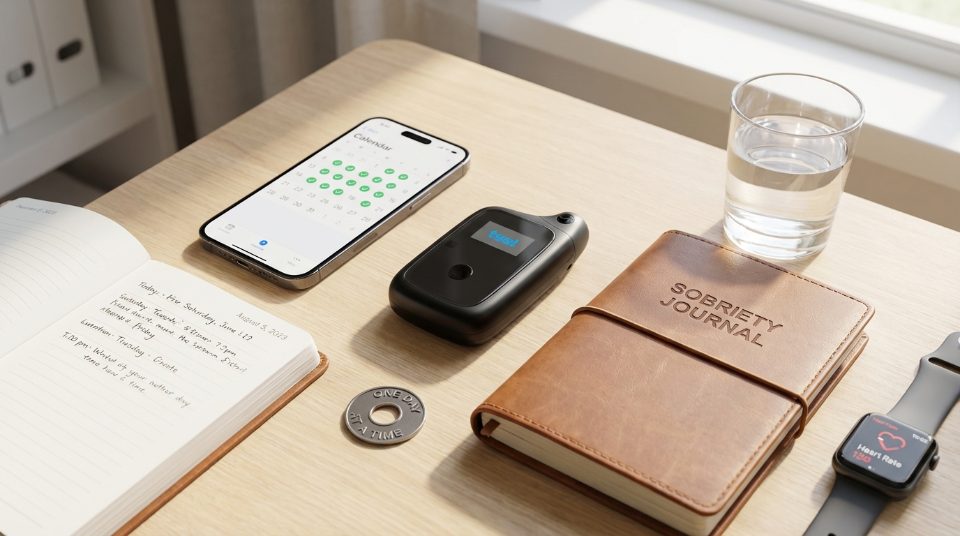
Recovery isn't a solo journey—even when it feels like one.
Whether you're 30 days sober or 3 years in, having the right accountability tools can make the difference between white-knuckling it alone and building a sustainable support system. The good news? There are more options than ever for people who want to take ownership of their sobriety without feeling monitored like a criminal.
This guide covers five categories of sobriety accountability tools—from apps to devices to human support—so you can find what actually works for your recovery.
Why Accountability Matters in Recovery
Before diving into tools, it's worth understanding why accountability is so powerful for sobriety.
Research consistently shows that external accountability improves outcomes in addiction recovery. It's not about being watched or punished—it's about having structures that support your commitment when willpower alone isn't enough.
Accountability tools serve several purposes:
- Creating checkpoints that interrupt automatic behaviors
- Building evidence of your progress (for yourself and others)
- Providing early warning signs when you might be drifting
- Rebuilding trust with family members, employers, or the court system
- Reinforcing identity as someone committed to sobriety
The best accountability tools feel supportive rather than punitive. They help you stay connected to your goals without making you feel surveilled.
1. Sobriety Tracking Apps
Best for: Daily motivation, milestone tracking, community connection
Sobriety apps have exploded in popularity, and for good reason. They put recovery support in your pocket and help you track progress in a tangible way.
What to Look For in a Sobriety App
- Day counter: Track your sober streak and celebrate milestones
- Daily pledges or check-ins: Reinforce your commitment each morning
- Community features: Connect with others on the same journey
- Health tracking: See improvements in sleep, savings, calories avoided
- Educational content: Science-based lessons on alcohol and recovery
Pros and Cons
Apps are great for personal motivation and community, but they rely on self-reporting. If you need to prove sobriety to someone else—a spouse, employer, or court—an app alone probably won't cut it.
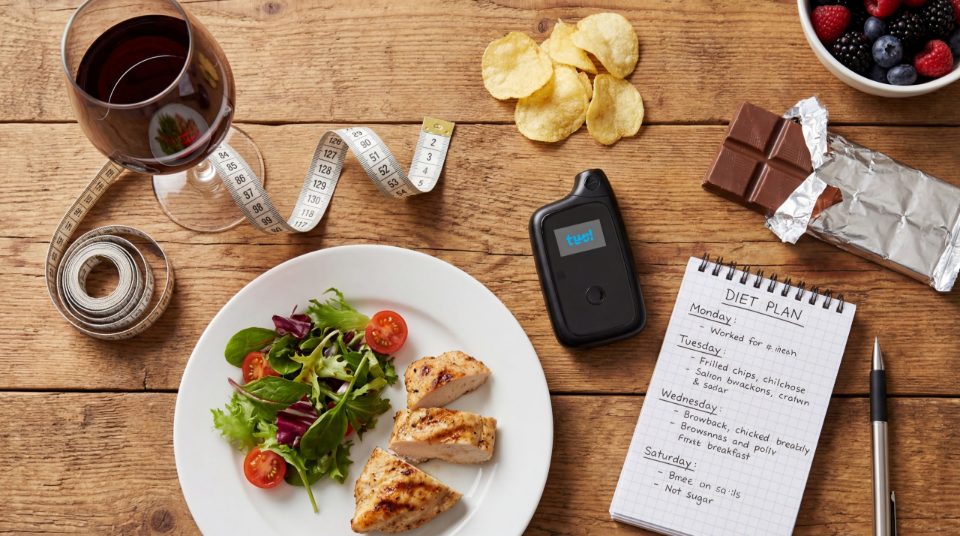
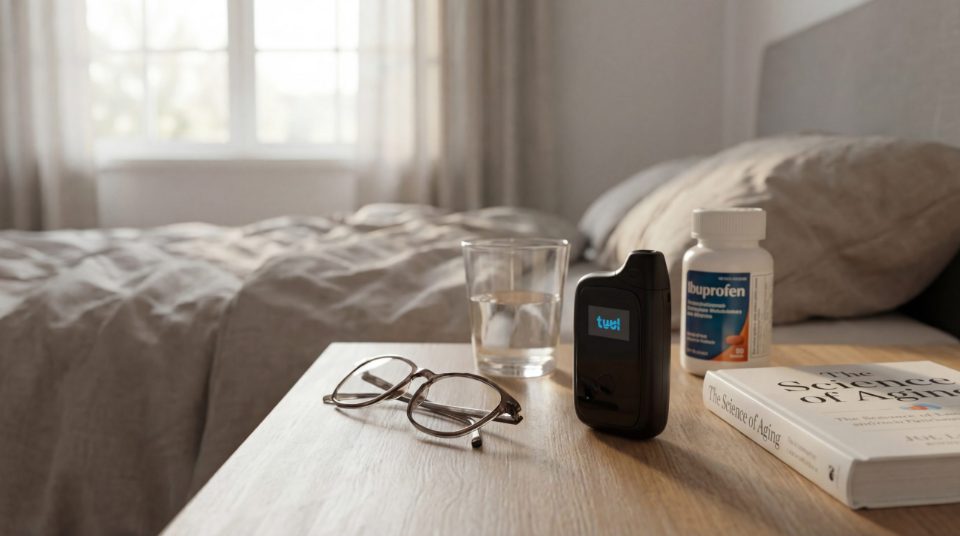
2. Portable Breathalyzers
Best for: Objective verification, rebuilding trust, custody situations, personal accountability
Sometimes you need more than a self-reported app—you need objective proof. Portable breathalyzers provide real, measurable verification of sobriety that you can share with others.
Modern devices have come a long way from the bulky, clinical equipment of the past. Today's breathalyzers are:
- Discreet: Small enough to fit in a pocket or purse
- Accurate: Professional-grade fuel cell sensors (the same technology used by law enforcement)
- Connected: Smartphone apps that log results and can share them with accountability partners
- Dignified: Designed to support recovery, not punish you
When Breathalyzers Make Sense
- You want to rebuild trust with a spouse or family member after alcohol-related issues
- You're in a custody dispute where sobriety documentation helps your case
- You want a personal checkpoint—something that makes you pause and verify before going out
- You're in early recovery and want external reinforcement of your commitment
- You're looking for an alternative to court-ordered monitoring like ankle bracelets
The key advantage of a personal breathalyzer is that you control it. It's a tool for your recovery, not a surveillance device imposed on you. That psychological difference matters.
3. Recovery Communities and Support Groups
Best for: Long-term support, shared experience, sponsor relationships
Human connection remains one of the most powerful accountability tools available. Recovery communities provide something technology can't: people who truly understand what you're going through.
Options Include
- 12-Step Programs: Free, widely available, with a structured program and sponsor system.
- Science-Based Recovery Groups: Programs focusing on self-empowerment and cognitive behavioral techniques.
- Mindfulness-Based Programs: Buddhist-inspired programs emphasizing meditation and present-moment awareness.
- Online Communities: Reddit forums, Facebook groups, and other digital spaces for those who prefer anonymity or can't access in-person meetings.
- Sober Living Houses: Structured living environments with built-in community and accountability (for those needing more intensive support).
The best recovery communities combine accountability with compassion. You check in regularly, but the goal is support—not judgment.
4. Therapy and Recovery Coaching
Best for: Addressing underlying issues, professional guidance, personalized strategies
Working with a professional adds another layer of accountability while helping you understand the deeper patterns behind your drinking.
Options
- Addiction Counselors/Therapists: Licensed professionals who specialize in substance use disorders. Often covered by insurance.
- Recovery Coaches: Peer support specialists (often in recovery themselves) who provide practical guidance and accountability.
- Online Therapy Platforms: Convenient access to counselors, though specialized addiction expertise varies by platform.
Regular appointments create natural accountability checkpoints. You know someone will ask how you're doing—and that expectation alone can be motivating.
5. Personal Accountability Partners
Best for: Daily support, real-time check-ins, trusted relationship-based accountability
Sometimes the most powerful accountability comes from a single trusted person—a friend, family member, or fellow person in recovery who agrees to be your point of contact.
What Makes a Good Accountability Partner?
- Availability: They can respond when you need them (especially during high-risk moments)
- Understanding: They grasp the nature of addiction without judgment
- Honesty: They'll tell you hard truths when needed
- Boundaries: They support you without enabling or becoming codependent
- Reliability: They show up consistently, not just when it's convenient
An accountability partner works best when you have clear agreements: how often you'll check in, what you'll share, and what kind of support you're looking for.
Building Your Accountability System
The most effective approach usually combines multiple tools. Here's how different tools work together:
|
Layer |
Tool Type |
Purpose |
|
Daily |
Sobriety app + breathalyzer |
Personal tracking and verification |
|
Weekly |
Support group meetings |
Community connection and shared experience |
|
Ongoing |
Accountability partner |
Real-time support when cravings hit |
|
As Needed |
Therapy/coaching |
Deeper work on underlying patterns |
The key is matching tools to your specific needs. Early recovery might require more intensive accountability. Long-term sobriety might need less structure but more community.
The Bottom Line
There's no single "best" sobriety accountability tool—only the one that works for you. The most important thing is having something beyond willpower alone.
Whether that's an app that celebrates your milestones, a breathalyzer that provides objective verification, a support group that understands your journey, or a trusted person you can call at 2 AM—accountability tools are investments in your recovery.
Start with what feels manageable. Add more structure if you need it. And remember: using tools isn't a sign of weakness. It's a sign that you're taking your recovery seriously.
|
Looking for Objective Sobriety Verification? The tuul® Breeze is a discreet, portable breathalyzer designed for people in recovery. Professional-grade accuracy meets modern design—because accountability shouldn't feel like punishment. |
Frequently Asked Questions
What is the best sobriety accountability tool?
The best tool depends on your needs. Apps work well for daily motivation and tracking. Portable breathalyzers provide objective verification for rebuilding trust. Support groups offer human connection. Most people benefit from combining multiple tools.
How do I prove sobriety to my spouse or family?
Portable breathalyzers with smartphone connectivity can log and share results with family members. Regular testing schedules—agreed upon together—can help rebuild trust over time. Some devices include photo verification to confirm who took the test.
Are sobriety apps effective?
Yes, for motivation and community support. Apps help track milestones, connect with others in recovery, and provide daily encouragement. However, they rely on self-reporting and may not satisfy situations requiring objective proof of sobriety.
What's the difference between 12-step and science-based recovery programs?
12-step programs use a spiritual framework with sponsor relationships. Science-based programs use cognitive-behavioral techniques and self-empowerment. Neither is universally "better"—many people try both to see which resonates more.
How accurate are personal breathalyzers?
Professional-grade personal breathalyzers using fuel cell sensor technology offer accuracy comparable to devices used by law enforcement. Cheaper semiconductor-based devices are less reliable. For accountability purposes, invest in a quality device with fuel cell sensors.