Alcohol Testing for Sober Living Homes: A Guide for Facility Operators
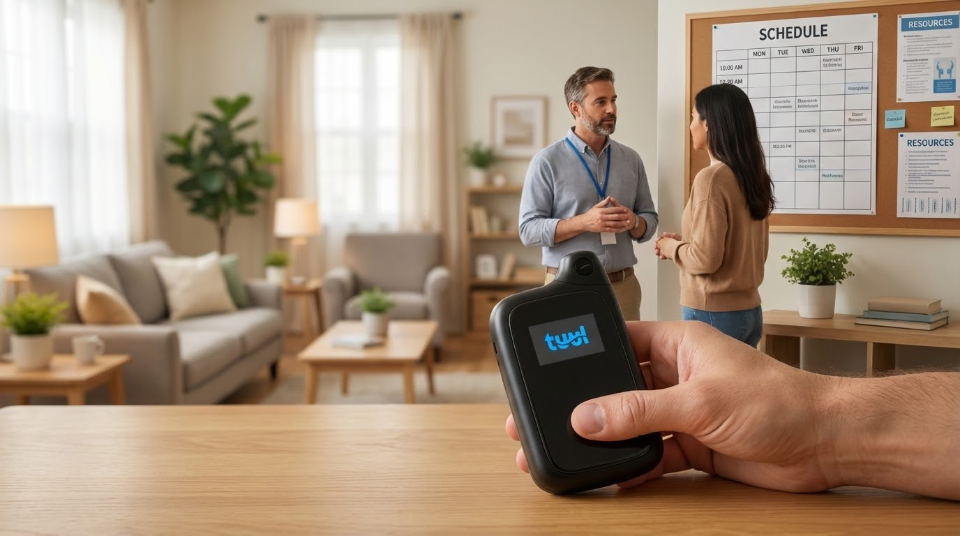
Running a sober living home means balancing accountability with dignity.
Your residents are working hard to rebuild their lives, and your job is to maintain a safe, sober environment that supports their recovery. That requires reliable alcohol testing—but the how matters as much as the what.
This guide covers everything sober living operators need to know about alcohol testing: the options available, how to choose the right approach for your facility, and best practices for implementation.
Why Alcohol Testing Matters in Sober Living
Alcohol testing in sober living serves multiple purposes:
- Protecting the community: One resident's relapse can impact everyone in the house. Testing helps identify issues before they escalate.
- Supporting individual recovery: External accountability helps residents stay committed to their sobriety, especially in early recovery when willpower alone isn't enough.
- Meeting regulatory requirements: Many states and certification bodies require documented testing protocols for licensed facilities.
- Building trust: Families, referral sources, and courts want to know your facility takes sobriety seriously. Documented testing provides that assurance.
- Creating structure: Regular testing becomes part of the recovery routine—a checkpoint that reinforces commitment.
The key is implementing testing in a way that feels supportive rather than punitive. Your residents are there voluntarily; they've chosen to live in an accountable environment. Testing should reinforce that choice, not feel like surveillance.
Alcohol Testing Options for Sober Living Facilities
1. Portable Breathalyzers
How they work: Residents blow into a handheld device that measures breath alcohol content (BAC) and displays results in seconds.
Detection window: Real-time. Detects current intoxication or recent drinking (typically 12-24 hours, depending on amount consumed).
Best for: Daily or random testing, curfew checks, post-pass verification, situations requiring immediate results.
Pros:
- Instant results—no waiting for lab work
- Non-invasive (no bodily fluids to handle)
- Low per-test cost after initial device purchase
- Easy to administer—minimal staff training required
- Modern devices can log results and sync with smartphone apps for documentation
Cons: Shorter detection window than urine tests. Requires quality devices with fuel cell sensors for professional accuracy.
Cost: Professional-grade devices range from $150-400, with no ongoing per-test costs. Budget devices exist but are less reliable.
2. EtG Urine Testing
How it works: EtG (ethyl glucuronide) is a metabolite produced when the body processes alcohol. Urine tests detect its presence, indicating alcohol consumption within the past few days.
Detection window: Up to 80 hours (approximately 3 days) after drinking.
Best for: Random testing, catching drinking that occurred days ago, situations where longer detection is needed.
Pros:
- Longer detection window catches drinking that breathalyzers might miss
- Widely accepted standard in the recovery industry
- Can be done with instant test cups or sent to a lab for confirmation
Cons: Requires handling urine samples. Can produce false positives from hand sanitizer, mouthwash, or certain foods. Lab-confirmed results take 1-3 days.
Cost: Instant EtG cups run $5-15 each. Lab-confirmed tests cost $25-50 per test.
3. Multi-Panel Drug Tests (with EtG)
How it works: Urine test cups that screen for multiple substances simultaneously—typically drugs of abuse plus EtG for alcohol.
Best for: Comprehensive screening when you need to test for both drugs and alcohol.
Pros: Single test covers alcohol and common drugs. Efficient for regular comprehensive screening.
Cons: More expensive per test. Same handling requirements as EtG-only testing.
Cost: $10-25 per cup depending on panel count, plus lab confirmation if needed.
Comparing Testing Methods
|
Factor |
Breathalyzer |
EtG Urine |
Multi-Panel |
|
Detection Window |
12-24 hours |
Up to 80 hours |
Up to 80 hours |
|
Result Time |
Instant |
5-10 min (instant) or 1-3 days (lab) |
5-10 min (instant) |
|
Per-Test Cost |
$0 (device owned) |
$5-50 |
$10-25 |
|
Sample Handling |
None (breath) |
Urine collection |
Urine collection |
|
Best Use |
Daily/curfew checks |
Random/weekly |
Comprehensive screening |
Building a Testing Protocol for Your Facility
Most sober living homes benefit from a layered approach that combines multiple testing methods:
Daily/Curfew Testing
Purpose: Verify sobriety when residents return home, especially after work or approved outings.
Best method: Portable breathalyzer. Quick, non-invasive, and provides immediate results.
Implementation: Test all residents at curfew or when returning from passes. Document results with timestamp.
Random Testing
Purpose: Catch drinking that occurs between regular check-ins.
Best method: EtG urine testing. The longer detection window catches drinking that happened days ago.
Implementation: Select residents randomly for testing 1-2 times per week. True randomization is key—don't create predictable patterns.
Intake and Monthly Baseline
Purpose: Comprehensive screening to establish baseline and ensure ongoing compliance.
Best method: Multi-panel drug test with EtG. Covers alcohol and drugs of abuse.
Implementation: Test all residents at intake and monthly thereafter. Send to lab for confirmation if results will be used for legal or insurance purposes.
Best Practices for Sober Living Testing Programs
- Document everything. Keep records of all tests with dates, times, results, and who administered. This protects your facility and provides evidence if issues arise.
- Use quality equipment. For breathalyzers, invest in professional-grade devices with fuel cell sensors. Cheap semiconductor devices produce unreliable results and undermine your program's credibility.
- Train staff properly. Everyone administering tests should understand proper procedures, how to interpret results, and how to handle positive tests compassionately.
- Be consistent. Apply testing policies uniformly to all residents. Inconsistent enforcement creates resentment and legal vulnerability.
- Have a clear response plan. Know in advance how you'll respond to positive tests. Will there be a confirmation test? What's the consequence? Is there a path to remain in the program? Put it in writing.
- Frame testing as support, not punishment. How you present testing matters. It's a tool to help residents stay accountable to their goals—not a 'gotcha' system.
Handling Positive Test Results
A positive test doesn't have to mean immediate discharge. Consider a graduated response:
- Confirm the result. If using instant tests, consider lab confirmation before taking action—especially for EtG tests, which can produce false positives.
- Have a conversation. Talk to the resident privately. Understand what happened. Was this a slip or a full relapse? What support do they need?
- Consider the context. A resident who self-reports a slip and asks for help is different from one who denies obvious intoxication. Recovery isn't linear.
- Follow your policy. Whatever you decide, apply it consistently. Your policies should be clear in the resident agreement so there are no surprises.
What to Look for in Testing Equipment
For Breathalyzers
- Fuel cell sensors (not semiconductor)—more accurate and alcohol-specific
- Data logging capability to track results over time
- Durability for frequent daily use
- Easy calibration or calibration service
- Smartphone connectivity for easy documentation (available on some modern devices)
For Urine Tests
- FDA-cleared tests from reputable suppliers
- Appropriate EtG cutoff levels (500 ng/mL is standard for abstinence monitoring)
- Lab confirmation option when results will be used for legal/insurance purposes
The Bottom Line
Effective alcohol testing is essential to running a quality sober living program—but it's not just about catching people. It's about creating an environment where accountability supports recovery.
The best testing programs combine multiple methods (breathalyzer for daily checks, EtG for random testing, multi-panel for comprehensive screening), use quality equipment, and implement testing with consistency and compassion.
Your residents chose to live in an accountable environment. A well-designed testing program honors that choice by providing the structure they need to succeed.
|
Looking for Testing Equipment for Your Facility? The tuul® Breeze is a professional-grade portable breathalyzer designed for facility use. Accurate fuel cell sensors, smartphone data logging, and durable construction for daily testing. Contact us for facility pricing. |
Frequently Asked Questions
How often should sober living homes test residents?
Most facilities use daily breathalyzer testing (at curfew or when returning from passes) combined with random EtG urine tests 1-2 times per week. Some add monthly comprehensive multi-panel screening. Frequency depends on your facility's policies and any regulatory requirements.
What's the best breathalyzer for sober living facilities?
Look for professional-grade devices with fuel cell sensors (not semiconductor), data logging capability, and durability for frequent use. Budget consumer breathalyzers aren't reliable enough for facility use. Expect to invest $150-400 per quality device.
Can hand sanitizer cause a false positive on EtG tests?
Yes, excessive use of alcohol-based hand sanitizers, mouthwash, or certain foods can potentially cause elevated EtG levels. If a positive result seems inconsistent with other evidence, consider lab confirmation before taking action.
Should we use instant tests or send samples to a lab?
Instant tests are fine for routine screening. Use lab confirmation when results will be used for legal purposes, insurance claims, or when a resident disputes results. Lab confirmation costs more but provides legally defensible documentation.
What should happen if a resident tests positive?
Have a clear, written policy. Many facilities use a graduated response: first offense might mean increased testing and clinical review, while repeated violations result in discharge. Whatever your policy, apply it consistently and ensure residents understand it before moving in.