Sober Dating: How to Navigate Romance Without Alcohol
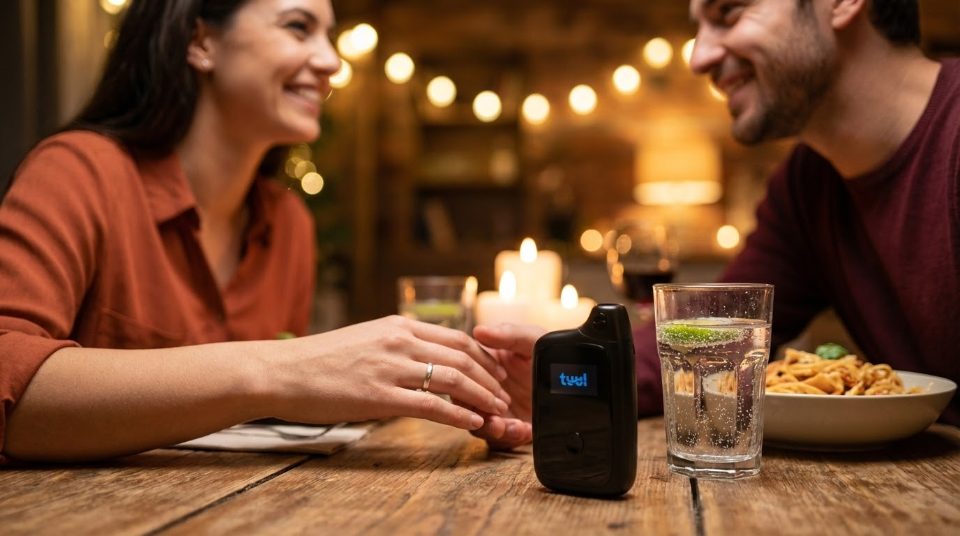
Modern dating culture is soaked in alcohol. First dates happen at bars. Dinner dates include wine pairings. Dating apps suggest grabbing drinks as the default meeting plan. For people who don't drink—whether in recovery, sober curious, or simply preferring to avoid alcohol—this creates unique challenges.
Dating without alcohol means facing social situations that most people navigate with a drink in hand. It means explaining your choices to potential partners. It means finding connection without the social lubricant that others rely on. These challenges are real, but they're also navigable—and sober dating offers advantages that drinking daters miss entirely.
Why Sober Dating Feels Hard
Alcohol Is the Default
Dating culture assumes drinking. "Let's grab drinks" is the universal first-date invitation. Bars are considered ideal meeting spots because they're casual, public, and have built-in conversation lubricant. When you don't drink, you're swimming against this current from the start. Every date requires more intentional planning than simply picking a bar.
First-Date Nerves Without a Buffer
First dates are nerve-wracking. Many people use alcohol to take the edge off—a drink or two to relax, loosen up, and feel more confident. Without that buffer, you face first-date anxiety head-on. This can feel more intense initially, but it also means you're fully present and making genuine connections rather than alcohol-assisted ones.
The Explanation Question
"Why aren't you drinking?" This question feels inevitable, and deciding how to answer adds pressure. Do you share your full story? Give a vague explanation? Deflect entirely? The question can feel intrusive, especially early in dating when you're still deciding how much to share. Having a prepared response reduces this anxiety.
Finding Compatible Partners
If alcohol plays a central role in someone's social life, they may not be compatible with a non-drinker. This reality narrows the dating pool—or at least requires more upfront filtering. The good news is that this filtering happens earlier, saving time on relationships that wouldn't work long-term anyway.
The Hidden Advantages of Sober Dating
You See People Clearly
Alcohol distorts perception—both of yourself and others. Sober dating means you see potential partners as they actually are, not through beer goggles. Red flags are visible. Genuine compatibility is easier to assess. You make decisions based on reality rather than alcohol-enhanced impressions that fade by morning.
Authentic Connections Form
When neither person is drinking, connection requires genuine chemistry rather than alcohol-induced bonding. Conversations go deeper because you're both fully present. Awkward silences aren't drowned in drinks—they're navigated naturally. The connections that form are built on real compatibility, not shared intoxication.
Better Decision-Making
Alcohol impairs judgment, and impaired judgment in dating leads to regrettable decisions—going home with someone too soon, ignoring warning signs, saying things you don't mean. Sober dating means your decisions reflect your actual values and boundaries. You're in control of where things go.
You Remember Everything
Great first-date stories shouldn't be hazy. Sober dating means you remember every detail—the jokes that landed, the moments of connection, the stories they told. You're building memories rather than piecing together fragments the next day. This clarity strengthens early relationship building.
Morning-After Confidence
No hangover anxiety. No wondering what you said or did. No drunk texts to regret. The morning after a sober date, you wake up clear-headed, remembering exactly what happened, confident in how you presented yourself. This peace of mind is underrated until you've experienced the alternative.
Sober First Date Ideas
Coffee Dates
The classic sober first date. Coffee shops are casual, inexpensive, and naturally alcohol-free. They're easy to cut short if things aren't clicking or extend if conversation flows. Morning or afternoon timing removes any expectation of drinks. The environment encourages actual conversation rather than shouting over bar noise.
Activity-Based Dates
Activities give you something to do together besides sit and talk—which reduces pressure while still allowing connection. Options include mini golf, bowling, hiking, museum visits, escape rooms, cooking classes, or arcade games. The shared activity creates natural conversation topics and reveals how someone handles challenges and fun.
Daytime Dates
Scheduling dates during daylight hours naturally shifts away from drinking contexts. Brunch, lunch, afternoon walks, farmers market visits, or weekend activities all work well. Daytime dating also feels lower-stakes than evening dates, reducing first-date pressure for both people.
Food-Focused Dates
Restaurants work fine for sober dating—just choose the venue thoughtfully. Ice cream shops, dessert cafes, ramen spots, and casual restaurants focus on food rather than drinks. If you do dinner, restaurants with interesting cuisine give you something to discuss beyond yourselves. Order confidently; most servers won't question someone skipping alcohol.
Handling the 'Why Don't You Drink' Conversation
You Don't Owe a Full Explanation
Your sobriety is personal, and you get to decide how much to share. A first date doesn't require your complete story. Simple responses work fine: "I'm not drinking tonight," "Alcohol doesn't agree with me," "I'm taking a break," or "I just feel better without it." You can share more as the relationship develops and trust builds.
Confidence Matters More Than Content
How you say it matters more than what you say. Delivered confidently, any explanation lands well. Delivered apologetically, even good explanations invite follow-up questions. Own your choice without defensiveness. Most people will follow your lead—if you treat it as normal, they will too.
When to Share More
If you're in recovery, deciding when to share that story is personal. Some people prefer transparency from the start; others wait until emotional connection develops. There's no right answer, but consider that someone who responds poorly to recovery isn't someone you want to date anyway. Their reaction provides useful information.
Read Their Response
How someone responds to your not drinking reveals character. Do they accept it easily and move on? Do they pressure you? Do they seem uncomfortable or judgmental? Do they order less themselves out of solidarity? Their reaction tells you something about compatibility and respect for boundaries—valuable first-date information.
Dating Someone Who Drinks
It Can Work
Many successful relationships include one drinker and one non-drinker. The question isn't whether they drink but how they drink. A partner who has a glass of wine with dinner differs vastly from one whose social life revolves around heavy drinking. Assess their relationship with alcohol, not just whether they consume it.
Set Clear Boundaries
Know your limits and communicate them. Maybe you're fine with a partner drinking at dinner but not comfortable around heavy intoxication. Perhaps you need them to support your sobriety in specific ways. Whatever your boundaries, state them clearly rather than hoping they'll be intuited. Healthy relationships require clear communication.
Watch for Compatibility Issues
Pay attention to lifestyle compatibility over time. If every activity they suggest involves drinking, that's information. If they can't have fun without alcohol, consider what that means for your future together. Occasional social drinking differs from alcohol being central to someone's identity and leisure time.
Sober Online Dating Tips
Consider Mentioning It in Your Profile
Some people include sobriety in their dating profiles to filter upfront. This attracts compatible matches and deters those who wouldn't work anyway. You can be explicit ("sober and proud") or subtle ("I prefer morning hikes to late nights out"). Either approach signals lifestyle without making it your entire identity.
Suggest the Date Activity
Take initiative in planning to avoid the default "let's grab drinks" suggestion. Propose coffee, a specific restaurant, or an activity. Being proactive ensures the date happens in an environment where you're comfortable. Most people appreciate when someone takes the planning burden off them anyway.
Look for Lifestyle Clues
Profile photos at bars, mentions of wine tasting as hobbies, or brewery visits as interests signal alcohol's role in someone's life. These aren't necessarily dealbreakers, but they're worth noticing. Conversely, profiles emphasizing fitness, outdoor activities, or morning routines may indicate more compatible lifestyles.
The Bottom Line
Sober dating requires more intentionality than alcohol-assisted dating, but that intentionality produces better outcomes. You see people clearly, form authentic connections, make sound decisions, and remember everything. The challenges are real but manageable with preparation and confidence.
Choose date activities thoughtfully, prepare for the "why don't you drink" conversation, and evaluate potential partners based on their relationship with alcohol, not just whether they consume it. The right person will respect your choices—and may even admire them.
|
Supporting Your Sober Lifestyle The tuul® Breeze is a professional-grade portable breathalyzer for people who want to stay accountable to their sobriety goals. Whether you're in recovery or simply choosing to drink less, having objective data supports your commitment. Small enough to fit in a pocket, it's there when you need reassurance. |
Frequently Asked Questions
When should I tell someone I'm in recovery?
There's no universal right time. Some prefer transparency from the start to filter incompatible matches; others wait until emotional connection develops. Consider your comfort level and how important this information is to you in evaluating compatibility. Someone who responds poorly isn't the right match regardless of timing.
Should I only date other sober people?
Not necessarily. Many mixed relationships work well—the key is your partner's relationship with alcohol, not whether they drink at all. Someone who drinks occasionally and respects your sobriety can be a great partner. Someone whose life revolves around drinking probably can't. Assess the individual, not just their drinking status.
How do I handle a date suggesting we meet at a bar?
Counter with an alternative suggestion: "I'd love to meet up, but I'm not really a bar person—how about coffee at [specific place] instead?" Most people will accommodate without requiring explanation. If they push back, that's useful information about flexibility and respect for your preferences.
Will sober dating always feel harder than drinking dating?
It gets easier. The initial adjustment—facing first-date nerves without a buffer, explaining your choices, planning non-bar dates—becomes natural with practice. Many sober daters eventually prefer it, finding that the clarity and authenticity outweigh any awkwardness. The advantages become more apparent over time.
Are there dating apps specifically for sober people?
Yes, several apps cater to sober daters, including Loosid and Sober Grid (which has social features). Mainstream apps also let you filter or mention sobriety in profiles. Whether to use sober-specific apps or mainstream apps with clear communication depends on your preferences and how central sobriety is to your dating criteria.