New Year's Eve Drunk Driving: Stats, Risks, and How to Stay Safe
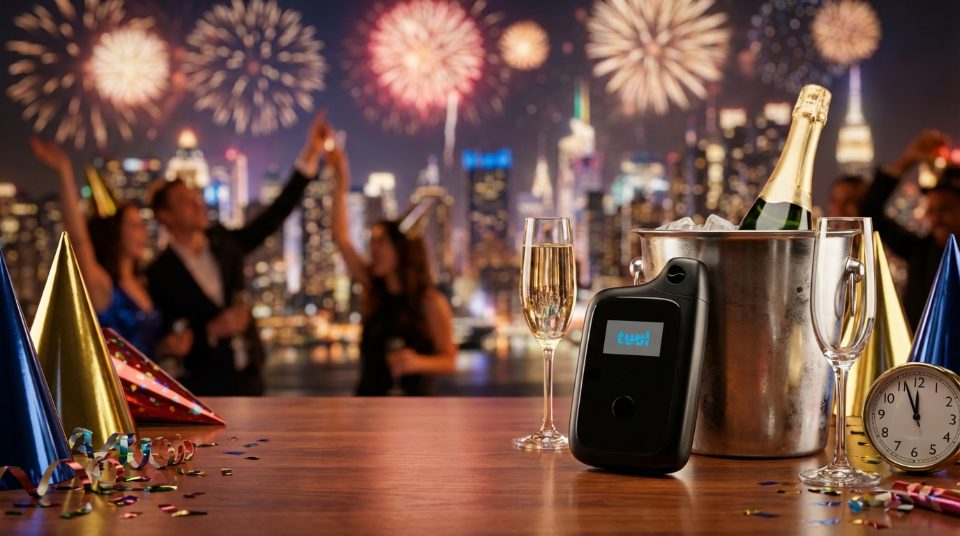
New Year's Eve is a night of celebration, champagne toasts, and looking forward to new beginnings. It's also one of the deadliest nights of the year on American roads.
The combination of widespread drinking, late-night driving, and amateur drinkers who don't know their limits creates a perfect storm. Understanding the risks—and planning ahead—can help you celebrate safely and actually make it to those New Year's resolutions.
The Statistics: Why New Year's Eve Is So Dangerous
The numbers paint a stark picture:
- Highest percentage of alcohol-related fatalities: New Year's Eve and New Year's Day consistently see the highest percentage of traffic deaths involving alcohol-impaired drivers—often exceeding 40% of all fatalities.
- Deadliest hours: The period from midnight to 3 AM on January 1st is particularly deadly, with drunk driving crashes spiking dramatically.
- DUI arrests surge: Law enforcement agencies make significantly more DUI arrests on New Year's Eve than almost any other night. Sobriety checkpoints are common.
- Extended risk window: The danger doesn't end at midnight. Many crashes occur in the early morning hours of January 1st and even into January 2nd as people drive home hungover but still impaired.
According to NHTSA data, approximately 300 people die in drunk driving crashes during the Christmas and New Year's holiday period each year. Many of these deaths are entirely preventable.
Why New Year's Eve Is Different
Several factors combine to make New Year's Eve uniquely dangerous:
Amateur Night
New Year's Eve brings out people who don't normally drink heavily. These "amateur" drinkers often don't know their limits, drink faster than usual, and underestimate their impairment. Someone who normally has one glass of wine with dinner might have four glasses of champagne over several hours—and have no idea they're at 0.10% BAC.
The Midnight Toast Effect
Many people time their drinking around midnight, which means BAC levels peak right when people start heading home. That champagne toast at 11:55 PM means you're likely at your most impaired when you're getting in the car at 12:30 or 1:00 AM.
Late Night Driving
Most people aren't used to driving in the early morning hours. Even sober, reaction times are slower and fatigue is a factor. Add alcohol, and the combination becomes even more dangerous.
"Everyone Else Is Doing It"
The social pressure to drink on New Year's Eve is intense. People who might normally pace themselves or skip drinking entirely feel obligated to participate. And when everyone around you is drinking, impaired judgment feels normal.
Transportation Challenges
Rideshare prices surge dramatically on New Year's Eve—sometimes 3-5x normal rates. Public transit may have limited late-night service. These practical barriers make driving seem more attractive even when it shouldn't be.
Planning Ahead: Before You Go Out
The key to a safe New Year's Eve is planning transportation before the first drink:
Designate a Sober Driver
The most reliable option is having someone commit to not drinking at all. "Mostly sober" or "I'll stop early" doesn't work—designate someone who will have zero alcohol all night. Rotate the responsibility among your friend group across different holidays.
Pre-Book Transportation
Many rideshare services allow advance scheduling. Book your ride home before you go out—you'll lock in a pickup time and avoid the midnight surge pricing scramble. Yes, it costs more than a normal night, but far less than a DUI.
Stay Where You're Celebrating
If you're going to a house party, ask if you can crash there. If you're going to a hotel event, book a room. Eliminating the need to travel is the safest option of all.
Know Local Options
Research what's available: Are there free ride programs in your area? Extended public transit hours? Taxi stands near popular venues? Having backup options matters when your primary plan falls through.
Set a Budget for Getting Home
Decide in advance that you'll spend whatever it costs to get home safely. A $100 rideshare seems expensive until you compare it to a $15,000 DUI—or the incalculable cost of hurting someone.
During the Celebration
Pace Yourself
Your body processes roughly one standard drink per hour. If you're drinking faster than that, you're accumulating alcohol faster than you're eliminating it. Alternating alcoholic drinks with water helps slow your pace and keeps you hydrated.
Eat Before and During
Food slows alcohol absorption significantly. Eating a substantial meal before drinking and snacking throughout the night helps moderate your BAC. An empty stomach means faster, higher intoxication.
Track Your Drinks
It's easy to lose count, especially at parties where glasses get refilled. Keep a mental tally or use your phone to track. Remember that one "drink" has a specific size—a heavy pour of wine or a strong cocktail may count as two or three standard drinks.
Check Your BAC
If you have a personal breathalyzer, use it. Don't guess whether you're okay to drive—measure. You might be surprised how high your BAC is when you feel "fine," especially if you have any tolerance built up.
Know Your Limit—And Stay Under It
If you're driving later (even hours later), know your limit and stay well under it. The legal limit is 0.08%, but impairment begins much lower. If there's any chance you'll drive, keep your BAC at 0.04% or below—and verify with a breathalyzer, not guesswork.
The Morning After: January 1st Risks
Many people forget that the danger continues into New Year's Day. If you drank heavily the night before, you may still be impaired when you wake up—even if you feel mostly okay.
Consider this scenario: You stop drinking at 2 AM with a BAC of 0.15%. Your body eliminates alcohol at roughly 0.015% per hour. By 8 AM, your BAC would still be around 0.06%—under the legal limit, but still impaired. By 10 AM, you might be at 0.03%.
The math matters:
If You Stopped At | With BAC Of | You'll Reach 0.00% Around |
Midnight | 0.10% | ~7 AM |
1 AM | 0.12% | ~9 AM |
2 AM | 0.15% | ~12 PM (noon) |
3 AM | 0.18% | ~3 PM |
If you have plans on January 1st—brunch, visiting family, the gym—think about whether you'll actually be sober. When in doubt, test with a breathalyzer before driving.
The Bottom Line
New Year's Eve is one of the most dangerous nights on the road because alcohol is everywhere and planning is often neglected. The people who end the night safely are the ones who thought about transportation before they started drinking.
Make a plan. Designate a driver, book a ride, or stay where you're celebrating. If you're going to drink, track your consumption and consider testing with a breathalyzer—both at night and the next morning before driving anywhere.
Starting the new year with a DUI, an accident, or worse isn't anyone's resolution. A little planning lets you celebrate fully and still wake up January 1st with nothing worse than a hangover.
Start the New Year Knowing, Not Guessing The tuul® Breeze is a professional-grade portable breathalyzer that tells you your actual BAC—on New Year's Eve and every other day. Know for certain whether you're safe to drive, and start the year with smart decisions. |
Frequently Asked Questions
What time is most dangerous to drive on New Year's Eve?
The hours from midnight to 3 AM on January 1st are the most dangerous, with the highest concentration of alcohol-impaired drivers on the road. However, risk remains elevated throughout the night and into New Year's Day morning.
Are there more DUI checkpoints on New Year's Eve?
Yes. Law enforcement agencies nationwide conduct increased patrols and sobriety checkpoints on New Year's Eve. This is one of the heaviest enforcement periods of the year, so even if you're under the legal limit, expect potential delays and police presence.
How can I get home safely if rideshare prices surge?
Consider pre-booking a ride at a set time (some services offer this), splitting the cost with friends, using public transit if available, taking a taxi instead of rideshare, or staying where you're celebrating. Budget for the higher cost in advance—it's still far cheaper than a DUI.
Can I drive the morning after if I feel okay?
Feeling okay doesn't mean you're sober. Depending on how much you drank and when you stopped, you could still have alcohol in your system well into New Year's Day. Use a breathalyzer to check your BAC before driving, or wait longer than you think necessary.
Does coffee or food help sober me up faster?
No. Nothing speeds up alcohol metabolism except time. Coffee might make you feel more alert, but your BAC remains the same. Food can slow absorption of new alcohol, but won't help eliminate alcohol already in your system. The only solution is waiting.