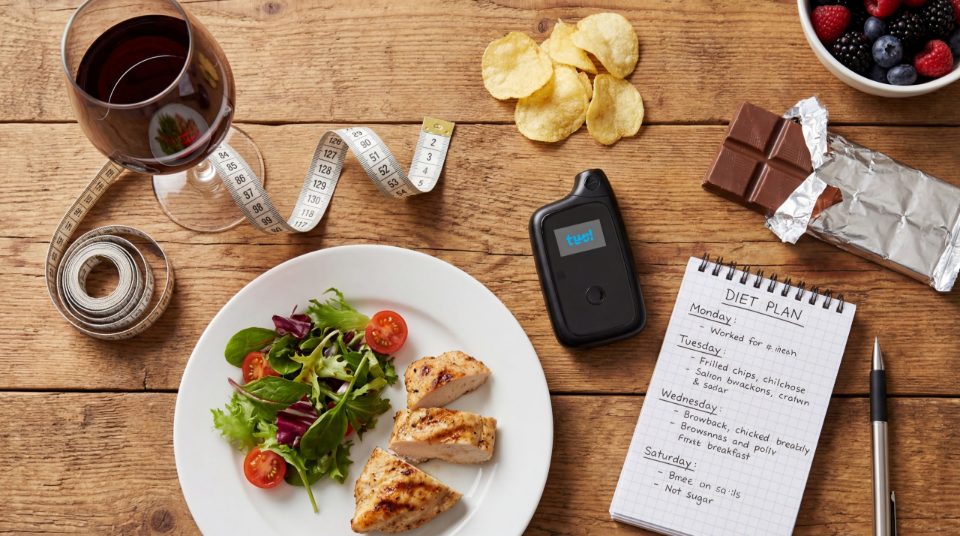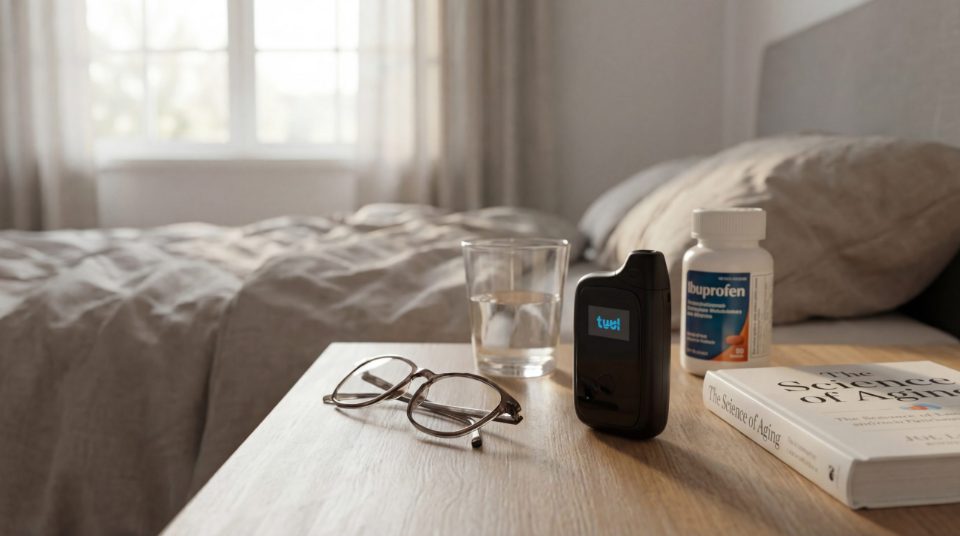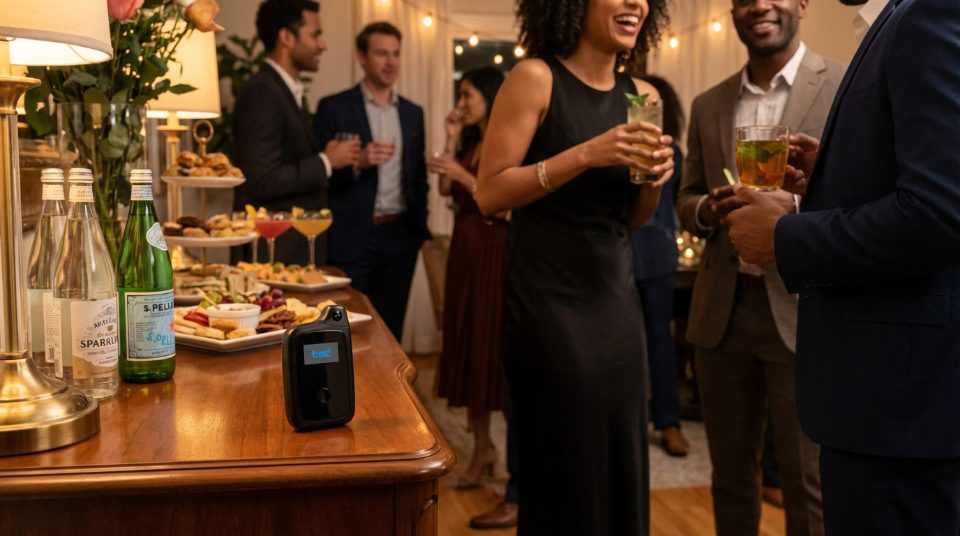
how to prove you're not drinking
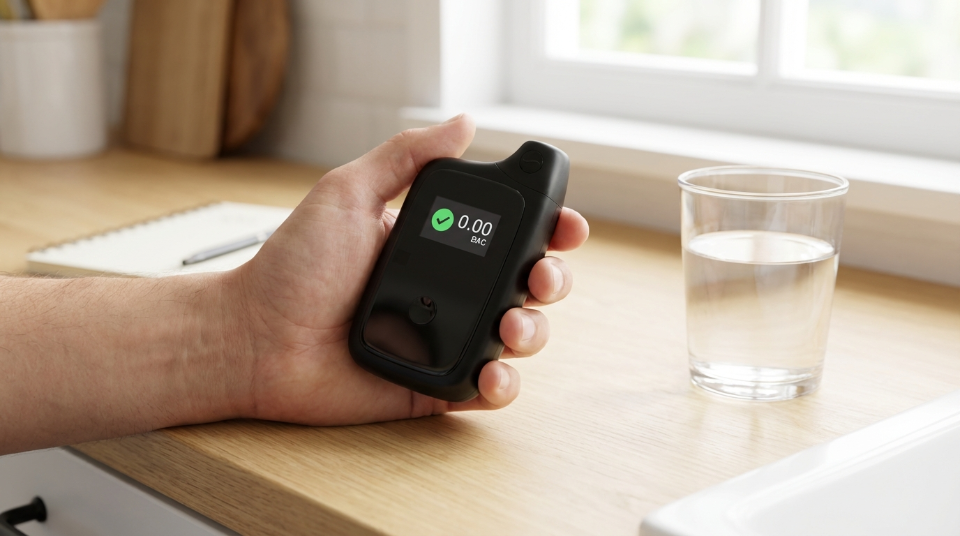
Sometimes saying "I'm sober" isn't enough.
Whether you're rebuilding trust with a spouse, documenting sobriety for a custody case, satisfying a probation requirement, or proving to an employer that you're fit for duty—there are situations where you need objective, verifiable proof that you haven't been drinking.
The good news: there are multiple ways to document your sobriety, ranging from simple at-home testing to comprehensive lab-based monitoring. This guide walks you through all your options so you can choose the right approach for your situation.
Common Situations Where Sobriety Verification Matters
People need to prove sobriety for many different reasons:
- Family and relationships: Rebuilding trust with a spouse, partner, or family member after alcohol-related problems
- Child custody: Documenting sobriety during custody disputes or as part of a parenting agreement
- Court requirements: Meeting probation conditions after a DUI or other alcohol-related offense
- Employment: Returning to work after treatment, or in safety-sensitive positions requiring ongoing verification
- Treatment programs: Complying with aftercare requirements from rehab or outpatient programs
- Personal accountability: Creating external structure to support your own recovery journey
The verification method you choose should match the requirements of your specific situation. A spouse might accept a different standard than a family court judge.
Methods for Proving Sobriety
Here are the main options for documenting that you're not drinking, from simplest to most comprehensive:
1. Portable Breathalyzer Testing
Best for: Daily verification, rebuilding family trust, custody situations, personal accountability
How it works: You blow into a handheld device that measures your breath alcohol content (BAC). Modern devices connect to smartphone apps that log results with timestamps, photos, and GPS location—creating a verifiable record you can share.
Detection window: Real-time. Alcohol is typically detectable for 12-24 hours after drinking, depending on the amount consumed.
Cost: One-time device purchase (professional-grade devices with fuel cell sensors are most accurate). No ongoing monthly fees with most personal devices.
Pros:
- Discreet and portable—test anywhere, anytime
- Immediate results
- Photo/video verification confirms identity
- Results can be automatically shared with family, attorneys, or others
- You control the device—it supports your recovery rather than feeling like surveillance
Cons: Shorter detection window than urine or hair tests. Requires consistent testing schedule to be meaningful.
Accepted by courts? Increasingly yes, especially in family court and custody cases. Devices with verification features (photo, timestamp, result sharing) carry more weight. Check with your attorney about requirements in your jurisdiction.
2. EtG Urine Testing
Best for: Random testing, probation compliance, longer detection window
How it works: EtG (ethyl glucuronide) is a metabolite your body produces when processing alcohol. It stays in your system longer than alcohol itself. You provide a urine sample at a testing facility or using an at-home collection kit sent to a lab.
Detection window: Up to 80 hours (about 3 days) after drinking.
Cost: $25-50 per test at most facilities.
Pros:
- Longer detection window catches drinking that occurred days ago
- Widely accepted by courts and probation
- Relatively affordable
Cons:
- Requires trips to a testing facility (unless using mail-in kits)
- Results take 1-3 days
- Can produce false positives from hand sanitizer, mouthwash, or certain foods
Accepted by courts? Yes, EtG testing is widely accepted and commonly ordered in DUI probation and custody cases.
3. Hair Follicle Testing
Best for: Proving long-term sobriety, showing a pattern of abstinence
How it works: A small sample of hair is cut close to the scalp and analyzed for alcohol markers (EtG and FAEE). Because hair grows at a predictable rate, it provides a timeline of alcohol use over months.
Detection window: Up to 90 days (about 3 months), based on hair length.
Cost: $100-150+ per test.
Pros:
- Longest detection window—proves sustained sobriety over months
- Very difficult to cheat
- Shows pattern of use (or abstinence) over time
Cons:
- More expensive than other methods
- Doesn't detect very recent use (takes 7-10 days for alcohol to appear in hair)
- Results can be affected by hair treatments or products
Accepted by courts? Yes, hair testing is accepted and often used to demonstrate long-term patterns of sobriety or use.
4. Continuous Alcohol Monitoring (Ankle Bracelets)
Best for: High-risk situations, court-ordered monitoring, when other methods aren't sufficient
How it works: An ankle bracelet worn 24/7 tests for alcohol through your sweat every 30 minutes. Results are transmitted wirelessly to a monitoring center.
Detection window: Continuous—any drinking is detected within hours.
Cost: $300-400+ per month, plus installation and removal fees.
Pros:
- Most comprehensive monitoring available
- Tamper-evident
- Universally accepted by courts
Cons:
- Expensive
- Visible and stigmatizing
- Must be worn constantly, including during sleep and bathing
- Usually court-ordered rather than voluntary
Note: For many situations, portable breathalyzers with verification features offer similar accountability at a fraction of the cost and without the stigma. Talk to your attorney about whether this alternative might work for your case.
Quick Comparison: Sobriety Verification Methods
|
Method |
Detection |
Cost |
Convenience |
Best For |
|
Breathalyzer |
12-24 hours |
One-time |
High |
Daily proof |
|
EtG Urine |
~80 hours |
$25-50/test |
Medium |
Random tests |
|
Hair Test |
~90 days |
$100-150 |
High |
Long-term proof |
|
Ankle Monitor |
Continuous |
$300-400/mo |
Low |
Court orders |
Tips for Building Credible Sobriety Documentation
Whatever method you choose, these principles will strengthen your documentation:
- Be consistent. Regular testing on a predictable schedule is more convincing than sporadic tests. Daily or every-other-day breathalyzer tests, combined with periodic EtG or hair tests, creates a robust record.
- Use verification features. Tests with photo ID, video, timestamps, and GPS location are harder to dispute. If you're using a portable breathalyzer, choose one with these capabilities.
- Keep organized records. Maintain a log or use an app that compiles all your results. Being able to present months of documented sobriety in a clear format makes a strong impression.
- Share results proactively. If you're proving sobriety to a spouse or family member, set up automatic result sharing so they see each test without having to ask.
- Combine methods strategically. Using multiple verification methods (for example, daily breathalyzer plus monthly hair tests) provides comprehensive coverage and strengthens your case.
Proving Sobriety to Different Audiences
To a Spouse or Partner
Rebuilding trust after alcohol-related problems takes time. A portable breathalyzer with result-sharing can help by providing daily, objective verification. The key is agreeing on a testing schedule together and maintaining it consistently—even when it feels unnecessary. Over time, the accumulated evidence of sobriety helps rebuild confidence.
For Child Custody Cases
Family courts take alcohol concerns seriously. Proactive testing—before you're ordered to do it—shows the court you take the matter seriously too. A combination of daily breathalyzer tests (with verification) and periodic EtG or hair tests provides comprehensive documentation. Work with your attorney to understand what your specific court requires.
For Court/Probation
Court-ordered testing has specific requirements—make sure you understand exactly what's mandated. If you're currently on an ankle monitor, ask your attorney whether documented breathalyzer testing might be an acceptable alternative. If you're trying to avoid more intensive monitoring, volunteering for regular testing before it's ordered can demonstrate good faith.
For Employment
Employer requirements vary widely. Some workplaces have formal testing programs; others simply need assurance that you're fit for duty. If you're returning to work after treatment, ask HR what documentation they need and whether portable breathalyzer records would be acceptable.
The Bottom Line
Proving sobriety isn't about being treated like a criminal—it's about building trust through transparency.
The right verification method depends on who you're proving your sobriety to and what they need to see. For most situations, a portable breathalyzer with verification features offers the best balance of convenience, cost, and credibility. Supplement it with periodic lab tests (EtG or hair) for comprehensive documentation.
Whatever method you choose, consistency matters more than the specific technology. A solid record of regular testing over weeks and months is the most powerful evidence of sustained sobriety you can provide.
|
Need to Document Your Sobriety? The tuul® Breeze is a professional-grade portable breathalyzer with smartphone connectivity, photo verification, and result sharing. Build a documented record of sobriety—on your terms. |
Frequently Asked Questions
What's the fastest way to prove I haven't been drinking?
A breathalyzer test provides immediate results. Modern devices with smartphone apps can log your results with a timestamp and photo for documentation. For situations requiring proof of longer-term sobriety, combine daily breathalyzer tests with periodic EtG urine tests.
How do I prove sobriety for a custody case?
Family courts typically accept a combination of regular breathalyzer testing (with verification features like photos and timestamps), periodic EtG urine tests, and/or hair follicle tests. Proactive testing before it's ordered can demonstrate good faith. Work with your attorney to understand your specific court's requirements.
Can I prove sobriety without wearing an ankle monitor?
In many cases, yes. Portable breathalyzers with verification features (photo ID, timestamps, result sharing) are increasingly accepted as alternatives to ankle monitors, especially in custody cases and lower-risk probation situations. Ask your attorney about options in your jurisdiction.
How accurate are portable breathalyzers?
Professional-grade portable breathalyzers using fuel cell sensor technology offer accuracy comparable to devices used by law enforcement. Avoid cheaper semiconductor-based devices, which are less reliable and more prone to false readings.
How long do I need to test to prove sobriety?
Duration depends on your situation. For rebuilding family trust, testing until trust is restored (which varies). For court or custody cases, typically 3-12 months of documented sobriety, though requirements vary by jurisdiction and judge. Consistency matters more than duration—a solid 3-month record is more convincing than sporadic testing over a year.