The Science of Hangovers: Why You Feel Terrible and What Actually Helps
The pounding headache. The waves of nausea. The bone-deep fatigue and regret. If you've ever had too much to drink, you know the misery of a hangover.
But what's actually happening in your body? Why do hangovers occur, and why do they seem to get worse as we age? Most importantly, what actually helps—and what's just wishful thinking?
This guide breaks down the science of hangovers, separates fact from fiction on remedies, and explains how to prevent them in the first place.
What Actually Causes a Hangover?
Hangovers aren't caused by a single factor—they're the result of multiple processes happening simultaneously. Understanding these mechanisms helps explain why hangovers feel so awful and why there's no magic cure.
Dehydration
Alcohol is a diuretic—it suppresses the hormone vasopressin, which normally tells your kidneys to retain water. As a result, you urinate more frequently while drinking, losing more fluid than you're taking in. This dehydration contributes to headache, dry mouth, fatigue, and dizziness.
However, research suggests dehydration alone doesn't fully explain hangover severity. Studies show that hangover symptoms don't correlate perfectly with hydration levels. Dehydration is a factor, but not the whole story.
Acetaldehyde Toxicity
When your liver breaks down alcohol (ethanol), it first converts it to acetaldehyde—a compound 10-30 times more toxic than alcohol itself. Normally, acetaldehyde is quickly converted to harmless acetate. However, when you drink heavily, acetaldehyde builds up faster than your body can process it.
Acetaldehyde causes nausea, sweating, rapid heartbeat, and general malaise. People with genetic variants that slow acetaldehyde processing (common in East Asian populations) experience more severe hangovers because acetaldehyde lingers longer.
Inflammation and Immune Response
Alcohol triggers an inflammatory response throughout your body. Your immune system releases cytokines—the same molecules involved in fighting infections. These cytokines cause many flu-like hangover symptoms: fatigue, muscle aches, headache, nausea, and cognitive impairment.
This is why hangovers can feel like being sick—your body is mounting an immune response to the alcohol-induced damage. Furthermore, this inflammation affects brain function, contributing to the mental fog and difficulty concentrating.
Congeners
Congeners are byproducts of fermentation and aging found in alcoholic beverages. They contribute to flavor, color, and aroma—but they also worsen hangovers. Darker drinks like bourbon, red wine, and brandy contain more congeners than lighter drinks like vodka and white wine.
Studies confirm that drinks high in congeners produce more severe hangovers than drinks with fewer congeners, even at the same alcohol dose. Consequently, that bourbon hangover really is worse than a vodka hangover.
Sleep Disruption
Alcohol severely disrupts sleep architecture. While it may help you fall asleep faster, it suppresses REM sleep, causes fragmented sleep in the second half of the night, and often leads to early waking. The resulting poor sleep quality amplifies every other hangover symptom—especially fatigue, cognitive impairment, and mood disturbance.
Blood Sugar Fluctuations
Alcohol interferes with glucose production and regulation. It can cause blood sugar to drop, especially overnight after drinking. Low blood sugar contributes to fatigue, weakness, shakiness, and mood changes. Additionally, your brain relies on glucose for energy, so blood sugar drops impair cognitive function.
Why Hangovers Get Worse as You Age
If hangovers seem worse than they used to be, you're not imagining it. Several factors make hangovers more severe as we get older:
- Decreased liver efficiency: Liver function declines with age, slowing alcohol metabolism and acetaldehyde clearance
- Lower body water content: As we age, our bodies contain less water, meaning the same amount of alcohol produces higher blood alcohol concentrations
- Reduced enzyme production: The enzymes that break down alcohol decrease with age
- Medication interactions: Older adults are more likely to take medications that interact with alcohol
- Recovery takes longer: Overall recovery and healing slow down with age, including recovery from alcohol's effects
Hangover Remedies: What Actually Works
Proven Helpful
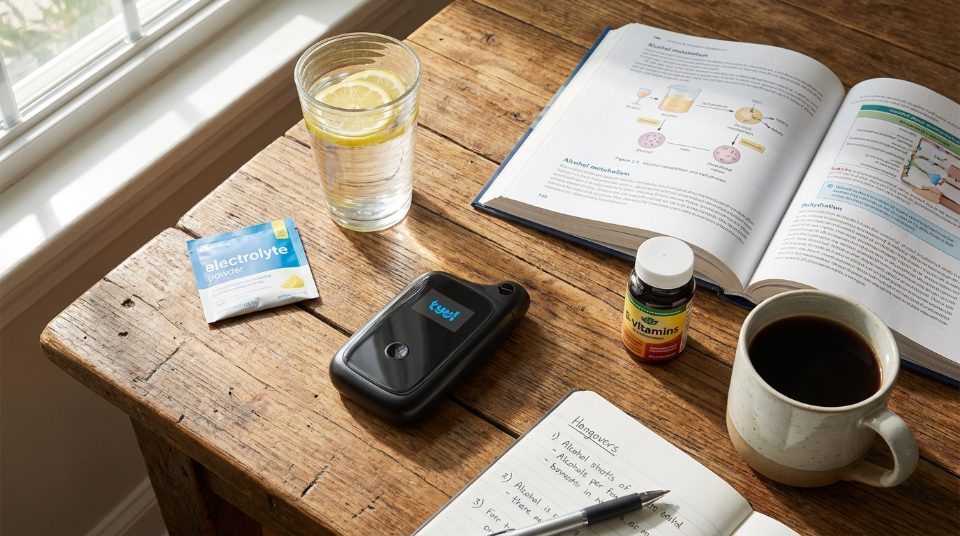
Water and electrolytes: Rehydrating helps address dehydration symptoms. Adding electrolytes (sodium, potassium) through sports drinks or electrolyte tablets helps your body retain fluid better than water alone. This won't cure a hangover, but it addresses one contributing factor.
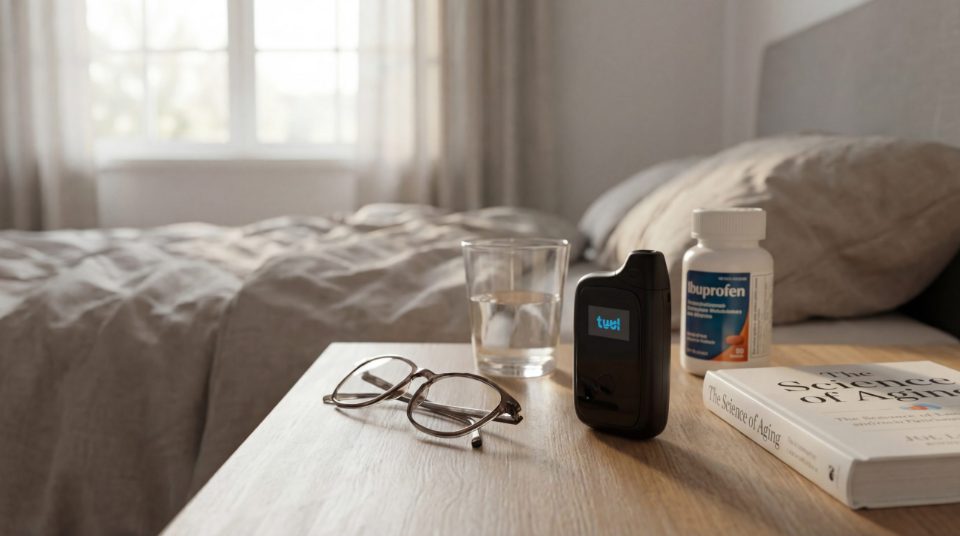
Pain relievers (with caution): NSAIDs like ibuprofen or aspirin can help with headache and body aches. However, they can irritate an already-sensitive stomach. Avoid acetaminophen (Tylenol) when hungover—combining it with alcohol stresses the liver. Wait until alcohol is fully cleared before taking acetaminophen.
Time: The only thing that truly "cures" a hangover is time. Your body needs to finish processing the alcohol and its byproducts, repair the damage, and restore normal function. Most hangovers resolve within 24 hours; severe ones may last longer.
Sleep: Since alcohol disrupts sleep quality, additional rest helps your body recover. If you can sleep more the day after drinking, do it. Your body does significant repair work during sleep.
Light, bland food: Eating can help stabilize blood sugar and settle your stomach. Stick to bland, easy-to-digest foods like toast, crackers, or bananas. Greasy food isn't more effective—it just might not stay down.
Probably Doesn't Work
"Hair of the dog" (more alcohol): Drinking more alcohol may temporarily mask hangover symptoms by numbing you, but it simply delays the inevitable and adds more toxins for your body to process. You're borrowing from tomorrow's sobriety. This approach can also lead to alcohol dependence.
Coffee: Caffeine might make you feel more alert, but it doesn't speed up alcohol metabolism. It can also worsen dehydration and increase stomach acid production. If you're a regular coffee drinker, a small amount may help avoid caffeine withdrawal headache, but it's not a hangover cure.
Hangover pills and supplements: Most commercial "hangover cures" have little scientific evidence supporting their effectiveness. Some contain vitamins B and C, which are depleted by alcohol, but replacing them doesn't eliminate hangover symptoms. Studies on popular remedies show minimal to no benefit over placebo.
Exercise: "Sweating it out" doesn't eliminate alcohol or toxins—your liver does that at a fixed rate regardless of activity. Exercise while hungover can worsen dehydration and may be unsafe if you're significantly impaired. Rest is more helpful than exertion.
The Best Cure: Prevention
Since hangovers can't truly be cured, prevention is the most effective strategy:
- Drink less. The single most effective hangover prevention is consuming less alcohol. Hangover severity correlates with amount consumed. There's no trick that lets you drink heavily without consequences.
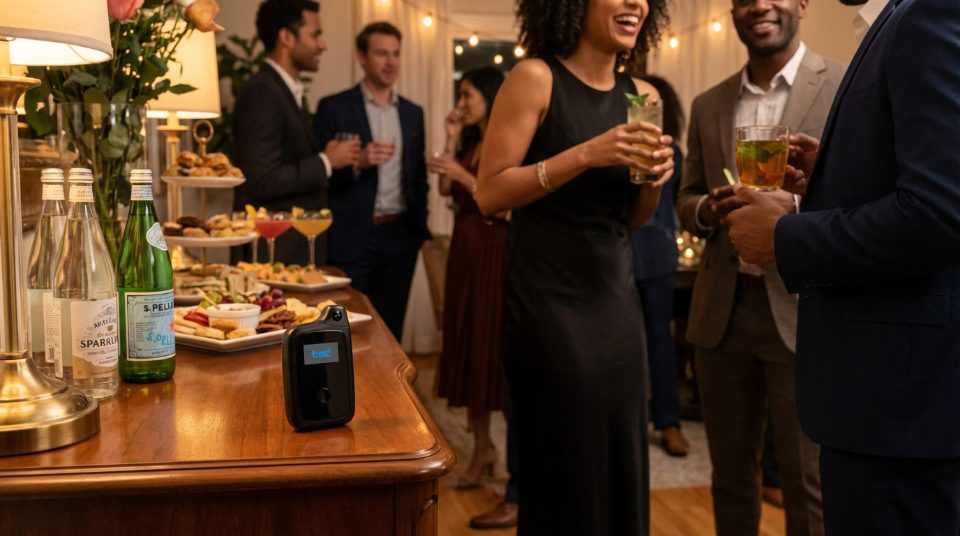
- Pace yourself. Your liver processes about one standard drink per hour. Drinking faster than that causes alcohol and acetaldehyde to accumulate. Therefore, spacing drinks out reduces peak toxin levels.
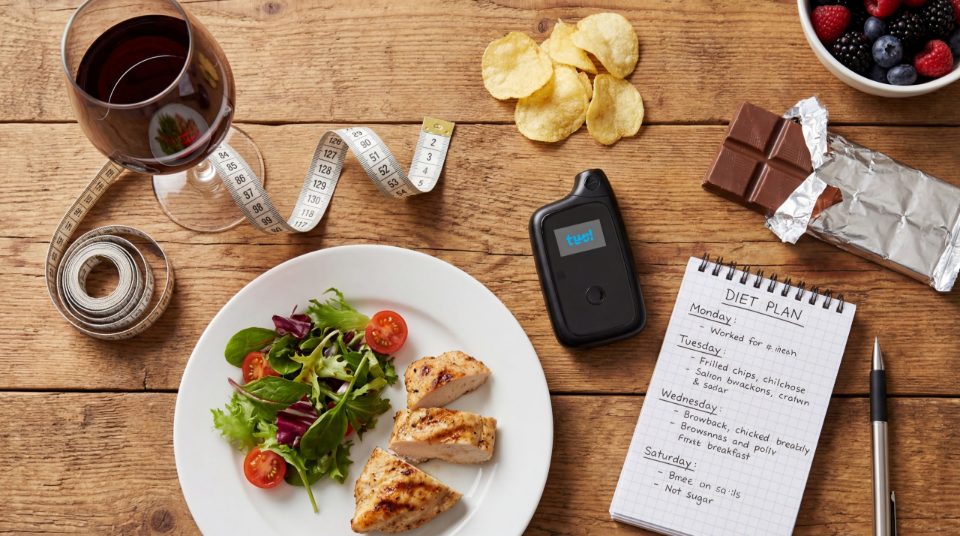
- Eat before and while drinking. Food slows alcohol absorption, reducing peak BAC and giving your liver more time to process each drink. Substantial food with protein and fat works best.
- Hydrate throughout. Drinking water between alcoholic drinks reduces dehydration. A glass of water before bed helps too, though it won't prevent a hangover entirely.
- Choose lighter-colored drinks. If you're prone to hangovers, vodka, gin, and white wine typically produce milder aftereffects than bourbon, red wine, or dark rum due to lower congener content.
- Know when to stop. Track your drinks and your BAC if possible. Having objective data helps you make informed decisions about when you've had enough—before tomorrow's hangover is already locked in.
The Connection Between BAC and Hangovers
Peak BAC strongly predicts hangover severity. The higher your BAC, the more alcohol your body must process, the more acetaldehyde accumulates, and the worse you'll feel tomorrow.
Research suggests that hangovers become increasingly likely above 0.10% BAC and are nearly universal above 0.15-0.20% BAC. However, individual variation is significant—some people get hangovers from relatively modest drinking while others seem more resistant.
Knowing your BAC during a night out helps you predict tomorrow's consequences. If you're already at 0.12% and it's only 10 PM, continuing to drink will likely result in a significant hangover. That awareness lets you make informed choices: keep drinking and accept the hangover, or stop now and feel better tomorrow.
The Bottom Line
Hangovers are caused by dehydration, acetaldehyde toxicity, inflammation, congeners, sleep disruption, and blood sugar changes—all happening simultaneously. This complexity explains why there's no single cure.
The only remedies that genuinely help are time, rest, hydration, and pain relievers for symptoms. Most popular "cures" are myths. The most effective approach is prevention: drinking less, pacing yourself, eating, hydrating, and choosing lighter-colored drinks.
Understanding the science won't make hangovers less miserable, but it can help you make better decisions about how much to drink—and when to stop before tomorrow is already ruined.
|
Prevent Tomorrow's Hangover Tonight The tuul® Breeze is a professional-grade portable breathalyzer that shows you exactly where you stand. When you know your actual BAC, you can make informed decisions about whether to keep drinking or call it a night. Sometimes the best hangover cure is knowing when to stop. |
Frequently Asked Questions
Why do some people get worse hangovers than others?
Genetics play a significant role. Variations in the enzymes that metabolize alcohol and acetaldehyde affect how quickly your body clears these toxins. Additionally, body composition, hydration status, sleep quality, and drinking patterns all contribute. Some people simply process alcohol more efficiently than others.
Does mixing drinks cause worse hangovers?
Not directly. The total amount of alcohol matters more than the variety. However, mixing drinks may make it harder to track consumption, and combining drinks with different congener levels complicates things. Furthermore, carbonated mixers can speed alcohol absorption. The safest approach is sticking to one type of drink you can track easily.
Can you be hungover while still drunk?
Technically, hangover symptoms peak after blood alcohol returns to zero. However, symptoms can begin while you still have alcohol in your system—especially toward the end of a long drinking session. If you feel terrible but are still registering BAC, you're experiencing both intoxication effects and early hangover symptoms.
Do hangover pills work?
Most scientific studies show minimal benefit over placebo. While some ingredients may address specific deficiencies (like B vitamins), they don't prevent or cure hangovers. The supplement industry makes bold claims, but the evidence doesn't support them. Time remains the only true hangover cure.
How long does a hangover last?
Most hangovers resolve within 24 hours. Severe hangovers from heavy drinking may last up to 72 hours. If symptoms persist longer, or include concerning features like severe abdominal pain, vomiting blood, confusion, or fever, seek medical attention—these could indicate something more serious than a typical hangover.