Drinking on the Golf Course: How Much Is Too Much to Drive Home?
Cold beers from the cart girl. A flask in the golf bag. Drinks at the turn. Post-round beers in the clubhouse. For many golfers, alcohol is as much a part of the game as the clubs themselves.
However, a round of golf takes 4-5 hours. That's a lot of time to accumulate drinks—and a lot of opportunity to end up over the legal limit before you drive home. The relaxed, social atmosphere of the course masks the reality: you may be too impaired to drive safely by the time you finish.
This guide breaks down how alcohol accumulates during a round, why golf course drinking is riskier than it seems, and how to enjoy your game without risking a DUI on the drive home.
The Math: How Drinks Add Up Over 18 Holes
Let's look at a typical drinking pattern during a round of golf:
Scenario: "Just a Few Beers"
- Beer at the first tee: 1 drink
- Beer from the cart around hole 4: 1 drink
- Beer at the turn (hole 9): 1 drink
- Beer from the cart around hole 13: 1 drink
- Beer at the 19th hole after the round: 1 drink
- Total: 5 beers over approximately 5 hours
This feels moderate—roughly one beer per hour. However, your body only processes about 0.015% BAC per hour. If you're drinking one beer per hour, you're accumulating faster than you're eliminating.
What This Means for Your BAC
For a 180-pound man drinking five beers over five hours:
- Estimated BAC after round: approximately 0.06-0.08%
- Right at or near the legal limit of 0.08%
For a 150-pound person with the same consumption:
- Estimated BAC after round: approximately 0.08-0.11%
- Likely over the legal limit
And this is a "moderate" drinking day on the course. Many golfers drink considerably more, especially during tournaments, outings, or bachelor parties. Furthermore, factors like heat, sun exposure, and limited food intake can amplify impairment.
Why Golf Course Drinking Feels Safer Than It Is
The Extended Timeline
Drinking over 4-5 hours feels like pacing yourself. And compared to slamming shots at a bar, it is slower. However, "slower" doesn't mean "safe." Your liver processes alcohol at a fixed rate regardless of how gradually you drink. If you consume faster than that rate—even slightly—alcohol accumulates.
Physical Activity Creates False Confidence
You're walking (or riding), swinging, bending, focusing on your game. This activity makes you feel more alert and capable than you would sitting at a bar. Consequently, you may feel "fine" despite being impaired. Exercise doesn't speed up alcohol metabolism—you're just as drunk, but you feel less drunk.
Environmental Factors
Sun exposure and heat cause dehydration, which amplifies alcohol's effects. You're losing fluid through sweat while alcohol further dehydrates you. Additionally, most golfers don't eat substantial food during a round—maybe a hot dog at the turn. An empty or light stomach means faster alcohol absorption.
The Social Normalization
Everyone's drinking. The course sells beer. There's literally a cart driving around offering alcohol. This normalization makes it feel acceptable and safe. But legality on the course doesn't mean legality on the road. The course profits from alcohol sales; they're not responsible for how you get home.
The Delay Before Driving
Many golfers think "I'll have time to sober up" during post-round activities—returning the cart, settling bets, having one more at the clubhouse. In reality, this time often involves more drinking, not less. And even if you stop drinking, your BAC may still be rising as your last drinks are absorbed.
Can You Get a DUI on a Golf Cart?
This depends on your state and where you're operating the cart:
- On the course: Generally no—private property rules apply, though you could face other consequences like being asked to leave
- On public roads: In many states, yes. Golf carts on public roads are subject to DUI laws. Some golf communities have cart paths that cross public streets.
- Golf cart communities: Many retirement and resort communities use golf carts for transportation. DUI laws typically apply on any public road.
The bigger concern, however, is driving your car home after the round. That's where most golf-related DUIs occur.
Strategies for Safer Golf Course Drinking
Designate a Driver Before You Tee Off
If you're playing in a group, decide who's driving home before anyone has a drink. That person stays sober—completely. They can still enjoy the round; they just skip the alcohol. Rotate this responsibility among your regular playing partners.
Set a Drink Limit
Decide before your round how many drinks you'll have. Two beers over five hours keeps most people well under the limit. Write it down, tell your playing partners, stick to it. The beverage cart is tempting, but so is keeping your license.
Front-Load Your Drinking
If you're going to drink, do it early in the round and stop at the turn. This gives your body maximum time to metabolize before you drive. A beer on holes 1-3 will be mostly processed by the time you finish hole 18. A beer on hole 17 is still hitting you when you get in the car.
Skip the 19th Hole (or Drive Before It)
Post-round drinks are where many golfers cross the line. You've already had several during the round; the clubhouse adds more. Either skip the 19th hole entirely, nurse water or soda instead, or arrange alternative transportation before you start drinking there.
Eat Before and During
Have a real breakfast before your round. Eat a substantial lunch at the turn—not just a hot dog, but something with protein and fat. Food dramatically slows alcohol absorption and reduces peak BAC.
Hydrate Aggressively
Drink water between alcoholic drinks. Bring a water bottle. Accept water when the cart comes by—not just beer. Staying hydrated doesn't lower your BAC, but it combats the dehydration that sun and alcohol cause together.
Check Your BAC Before Driving
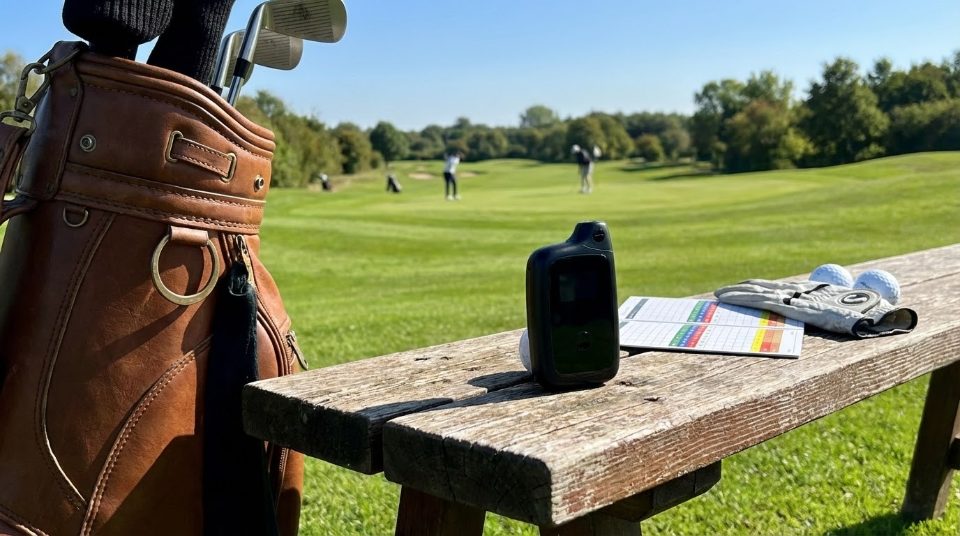
Keep a breathalyzer in your golf bag. Before leaving the course, check your actual BAC. No guessing, no "I feel fine," no estimating based on how many you had. Real data tells you whether you're safe to drive. If you're over 0.05%, consider waiting or finding another ride—impairment begins well below the legal limit.
Getting Home Safely
If you've had too much, here are your options:
- Rideshare: Most golf courses are accessible by Uber or Lyft. Yes, it means leaving your car overnight—but retrieving your car beats retrieving it from impound after a DUI arrest.
- Taxi: The clubhouse can usually call a local taxi service.
- Sober playing partner: If someone in your group stayed sober, accept the ride gratefully.
- Call someone: A family member or friend picking you up is inconvenient but infinitely better than a DUI.
- Wait it out: Hang out at the clubhouse drinking water and eating until your BAC drops. This takes longer than most people expect—roughly one hour per drink consumed.
The Bottom Line
Golf and drinking go together culturally, but that doesn't make driving afterward safe or legal. A typical drinking round accumulates more alcohol than most golfers realize, and the extended timeline creates false confidence about sobriety.
Plan ahead: designate a driver, set limits, front-load consumption, and eat well. Keep a breathalyzer in your bag and check before driving. If you're over the limit—or even close—use alternatives to get home.
A great day on the course shouldn't end with flashing lights on the drive home. The 19th hole is for celebrating your round, not explaining to a police officer why you thought you were okay to drive.
Add This to Your Golf Bag The tuul® Breeze is a professional-grade portable breathalyzer that's compact enough to toss in your bag alongside the tees and ball markers. Before you leave the parking lot, a quick test tells you whether you're good to drive or should grab a ride. It's the smartest club in the bag. |
Frequently Asked Questions
How many beers can I have and still drive after golf?
There's no universal safe number because it depends on body weight, food intake, timing, and individual metabolism. Generally, 1-2 beers early in a 5-hour round should keep most people under the legal limit. But "under the legal limit" isn't the same as "unimpaired." The only way to know for sure is to measure your BAC.
Does the walking/exercise help sober me up?
No. Physical activity doesn't speed up alcohol metabolism—your liver processes alcohol at a fixed rate regardless of exercise. Walking may make you feel more alert and coordinated, but your BAC is the same. This false confidence is actually dangerous because you may feel capable when you're not.
What about golf outings and tournaments where drinking is expected?
Plan transportation in advance. Many corporate outings and charity tournaments now offer shuttle service to hotels or central locations. Organize rideshare groups before the event. The expectation to drink doesn't create an exception to DUI laws.
Can the golf course be liable if I get a DUI after drinking there?
This varies by state, but generally golf courses have limited liability for adult guests who drive drunk—unlike bars that over-serve visibly intoxicated patrons. You're responsible for your own decisions. The course selling you beer doesn't mean you can safely drive afterward.
Is it safe to drive if I stopped drinking at the turn?
It depends on how much you drank before the turn and your body size. If you had 3 beers in the first two hours and stopped, you'd have about 2-2.5 hours of the back nine plus post-round time to metabolize. You might be close to legal but still impaired. Check your BAC rather than guessing—the math is complicated and the stakes are high.