What Family Lawyers Should Know About Modern Alcohol Monitoring Technology

Alcohol concerns appear in a significant percentage of custody disputes. Whether your client is the accused party seeking to demonstrate sobriety or the concerned party seeking protection for children, understanding modern alcohol monitoring technology helps you serve clients more effectively and achieve better outcomes.
The technology landscape has evolved dramatically in recent years. Beyond traditional court-ordered testing, portable breathalyzers with photo verification, GPS tracking, and cloud-based reporting now offer attorneys powerful tools for building cases and protecting clients. This guide covers what family law practitioners need to know about these technologies.
When Alcohol Monitoring Becomes Relevant in Family Law
Custody and Visitation Disputes
Allegations of alcohol abuse frequently surface in custody battles. One parent claims the other drinks excessively; the accused parent denies it or claims they've changed. Without objective evidence, these disputes become "he said, she said" situations that courts struggle to resolve. Alcohol monitoring provides the objective data both parties and the court need.
Modification Proceedings
Parents seeking to modify custody arrangements after addressing alcohol issues need evidence of sustained sobriety. A client who completed treatment six months ago needs more than their word to convince a court they've changed. Documented monitoring history demonstrates commitment and provides the verification courts require for modification.
Protective Orders and Safety Concerns
When alcohol-fueled incidents prompt protective order requests, ongoing monitoring can become part of the solution. Rather than completely restricting contact, courts may allow supervised or monitored visitation with alcohol testing requirements. This balances child safety with parental rights while providing accountability.
Settlement Negotiations
Alcohol monitoring often facilitates settlements that might otherwise require litigation. A parent willing to submit to monitoring demonstrates good faith, while the other parent gains assurance of accountability. This middle ground frequently enables agreements that protect children while preserving parental relationships.
Types of Alcohol Monitoring Technology
Portable Breathalyzers with Verification
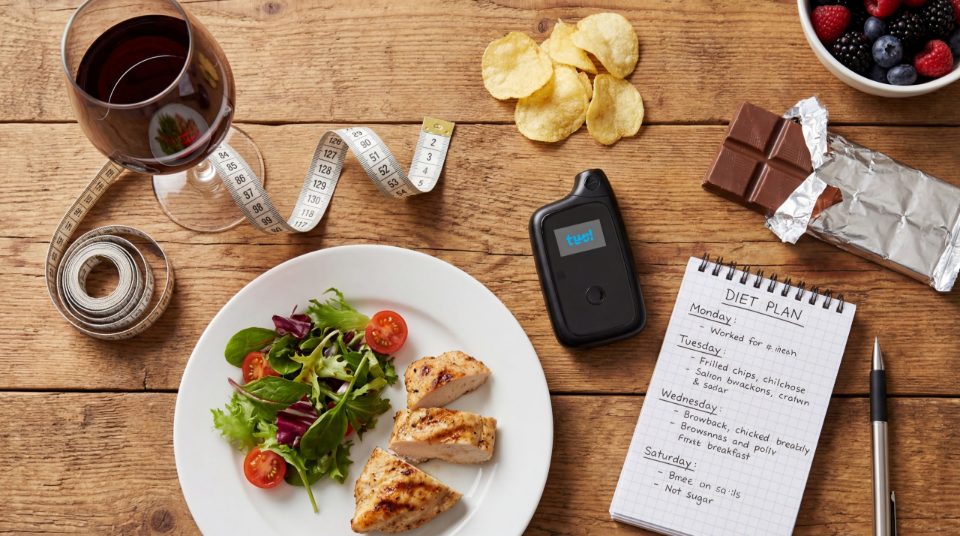
Modern portable breathalyzers go far beyond simple BAC readings. Professional-grade devices now include facial recognition or photo verification to confirm identity, GPS location stamping to verify where tests occur, timestamp documentation, and cloud-based result storage accessible to designated parties. These features address the historical weakness of portable testing—the inability to verify who actually took the test.
Continuous Alcohol Monitoring (CAM)
Ankle-worn devices like SCRAM bracelets test continuously through transdermal alcohol detection. They measure alcohol content in perspiration every 30 minutes, providing comprehensive monitoring that's difficult to circumvent. However, they're visible, expensive (typically $300-400 per month), and carry significant stigma. They're generally reserved for cases with serious alcohol concerns or prior violations.
Remote Breath Testing Systems
Services like Soberlink provide scheduled breath testing with photo verification and automated reporting to designated parties. Tests occur at predetermined times, with results transmitted immediately to attorneys, courts, or co-parents. These systems balance comprehensive monitoring with lower cost and less invasiveness than continuous monitoring.
Laboratory Testing
Traditional urine testing (including EtG tests) and hair follicle testing detect alcohol use over longer periods. EtG can detect alcohol consumption for 48-80 hours; hair testing can show patterns over 90 days. These methods complement real-time monitoring by revealing longer-term patterns but require laboratory processing and scheduled appointments.
Court Admissibility and Evidentiary Considerations
What Courts Generally Accept
Family courts increasingly accept breathalyzer results, particularly from devices with verification features. Key factors affecting admissibility include whether the device is FDA-cleared or DOT-approved, the verification method used (photo, facial recognition, GPS), chain of custody for results, calibration and maintenance records, and consistency with other evidence. Courts view verified portable breathalyzer results favorably because they provide objective, timestamped, location-verified data.
Building a Strong Evidentiary Foundation
To maximize the evidentiary value of monitoring data, ensure the device meets professional standards (fuel cell sensor technology, not semiconductor). Document the testing protocol in agreements—when tests occur, who receives results, what happens with positive results. Maintain calibration records and establish clear protocols for result retrieval and authentication.
Addressing Challenges to Results
Opposing counsel may challenge monitoring results on various grounds. Common challenges include device accuracy claims, allegations of tampering or substitution, environmental contamination arguments, and procedural objections. Verification features (photo, GPS, timestamps) address most substitution concerns. Device specifications and calibration records address accuracy challenges. Understanding these potential challenges helps you prepare responsive evidence.
Recommending Monitoring to Clients
For Clients Accused of Alcohol Problems
Proactive monitoring often serves accused clients better than defensive posturing. Volunteering for monitoring demonstrates confidence in their sobriety and good faith to the court. It transforms the narrative from "denying allegations" to "proving commitment to children's wellbeing." Clients who resist monitoring often appear to be hiding something, regardless of the truth.
Additionally, a documented history of negative tests creates powerful evidence for custody hearings or modification proceedings. Three months of verified sobriety speaks louder than any testimony about changed behavior.
For Clients With Legitimate Concerns
When representing parents with genuine safety concerns about the other parent's drinking, monitoring requests should be proportional and focused on child safety. Courts respond better to reasonable monitoring proposals than blanket restrictions. A request for breath testing during custody exchanges and parenting time is more likely to succeed than demanding complete sobriety at all times.
Frame monitoring as protective rather than punitive. The goal is ensuring children's safety, not punishing the other parent. This framing makes courts more receptive and often facilitates negotiated agreements.
Cost-Benefit Conversations
Help clients understand the economics of monitoring. Portable breathalyzers with verification features cost $200-400 as a one-time purchase. Remote monitoring services typically run $100-200 per month. Continuous ankle monitoring costs $300-400 per month. Compare these costs to ongoing litigation expenses, and monitoring often represents a cost-effective path to resolution.
Structuring Monitoring Agreements
Key Provisions to Include
Effective monitoring agreements address several essential elements:
- Testing frequency and timing: Specify when tests must occur (before custody exchanges, during parenting time, random intervals)
- Device specifications: Require professional-grade equipment with specific verification features
- Result distribution: Define who receives results and how quickly (real-time alerts vs. periodic reports)
- Positive result protocols: Specify consequences for positive tests, including immediate custody adjustments if warranted
- Missed test provisions: Address how missed tests are treated—as presumptive positives or with alternative consequences
- Duration and modification: Set a monitoring period with criteria for modification or termination
- Cost allocation: Specify who pays for equipment, services, and any required laboratory confirmation
Avoiding Common Drafting Pitfalls
Vague monitoring provisions create enforcement problems. "Regular alcohol testing" means different things to different people. Specify exact requirements. Similarly, avoid provisions that are impossible to comply with—requiring tests every hour around the clock sets up failure. Provisions should be clear, reasonable, and enforceable.
Selecting the Right Technology
Matching Technology to Circumstances
The appropriate monitoring level depends on case specifics. For situations involving past alcohol-related incidents with children, prior violations of court orders, or serious safety concerns, continuous monitoring or intensive scheduled testing may be appropriate. For cases involving unsubstantiated allegations, preventive measures, or demonstrated recent sobriety, less intensive portable breathalyzer monitoring often suffices.
Device Features That Matter
When recommending or requiring specific devices, prioritize these features:
- Fuel cell sensor technology: More accurate and alcohol-specific than semiconductor sensors
- Photo or facial recognition verification: Confirms identity of person testing
- GPS location stamping: Verifies where tests occur
- Cloud-based result storage: Creates accessible, tamper-resistant records
- Automated reporting: Sends results to designated parties without manual intervention
The Bottom Line
Alcohol monitoring technology has evolved significantly, offering family law practitioners powerful tools for protecting children and resolving disputes. Modern devices with verification features provide objective, court-admissible evidence that transforms "he said, she said" situations into documented facts.
Understanding these technologies helps you counsel clients effectively, draft enforceable agreements, and present compelling evidence. Whether your client needs to demonstrate sobriety or ensure the other parent's accountability, the right monitoring approach can facilitate better outcomes for families and children.
As these technologies continue advancing, attorneys who understand their capabilities and limitations will serve their family law clients more effectively than those who rely solely on traditional approaches.
|
A Tool for Your Family Law Practice The tuul® Breeze is a professional-grade portable breathalyzer with photo verification, GPS location stamping, and cloud-based result storage. It's designed for the accountability that family law cases require—giving your clients a way to document sobriety and giving courts the objective evidence they need. Contact us to learn about solutions for family law practitioners. [BUTTON: Learn More for Legal Professionals] |
Frequently Asked Questions
Are portable breathalyzer results admissible in family court?
Generally yes, particularly when using professional-grade devices with verification features. Family courts have broad discretion in evidentiary matters and increasingly accept verified breathalyzer results. The key factors are device quality (FDA-cleared, fuel cell technology), verification features (photo, GPS), and proper documentation. Results from consumer-grade devices without verification carry less weight.
How do I respond when opposing counsel challenges breathalyzer accuracy?
Prepare by understanding your device's specifications and having calibration records available. Professional-grade fuel cell breathalyzers are highly accurate—typically within 0.005% BAC. Point to FDA clearance, DOT approval if applicable, and manufacturer accuracy specifications. If challenged on a specific reading, laboratory confirmation through blood or urine testing can corroborate results.
What monitoring level should I recommend for different case types?
Match intensity to risk level. For cases with documented alcohol-related incidents involving children, continuous monitoring or frequent scheduled testing may be appropriate. For preventive situations or cases with unsubstantiated allegations, portable breathalyzer testing during custody exchanges and parenting time often suffices. Courts appreciate proportional responses that balance safety with practicality.
How should monitoring agreements address missed tests?
This is a critical provision that's often poorly drafted. Options include treating missed tests as presumptive positives, requiring makeup tests within a specified window, or triggering review hearings after multiple misses. The approach should reflect case circumstances—stricter consequences for higher-risk situations, more flexibility for technical difficulties or reasonable explanations.
Can monitoring help facilitate settlement in contentious cases?
Absolutely. Monitoring often breaks impasses by providing a middle ground between complete trust and complete restriction. The accused parent gains opportunity to demonstrate sobriety objectively. The concerned parent gains accountability and early warning of problems. Courts appreciate parents who propose constructive solutions. Many cases that seemed headed for trial settle once monitoring provides the assurance both parties need.