DUI Probation Alcohol Testing: What to Expect and Your Options
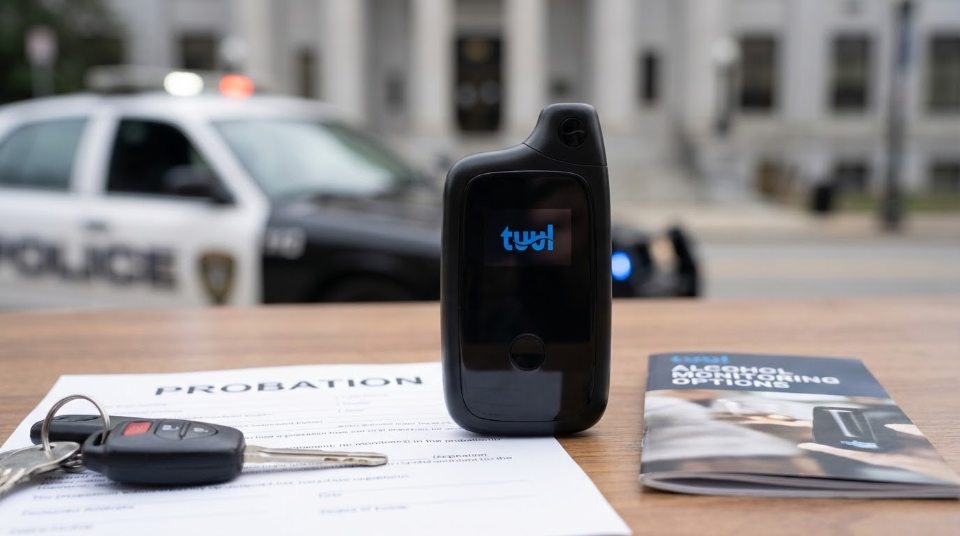
If you're facing DUI probation, alcohol testing is almost certainly part of your future.
Courts take drunk driving seriously, and proving you're staying sober is typically a condition of your probation. But the specifics—what kind of testing, how often, who pays, and whether you have any choice in the matter—vary widely depending on your situation.
This guide explains what alcohol testing during DUI probation looks like, the different monitoring options courts use, and what you can do to complete your probation successfully.
What to Expect: Alcohol Testing During DUI Probation
DUI probation typically includes a requirement to abstain from alcohol—and testing to verify compliance. The exact requirements depend on several factors:
- Whether it's your first offense or a repeat DUI
- Your BAC level at the time of arrest
- Whether an accident or injuries were involved
- Your state's laws and the specific judge's preferences
- Any prior criminal history
First-time offenders with lower BAC levels may face less intensive monitoring. Repeat offenders, high-BAC cases, or situations involving accidents typically face stricter requirements.
Types of Alcohol Testing Used in DUI Probation
Continuous Alcohol Monitoring (Ankle Bracelets)
How it works: You wear an ankle bracelet 24/7 that measures alcohol in your sweat (transdermal testing) every 30 minutes. Results transmit automatically to a monitoring center, which reports any violations to your probation officer or the court.
Typical cost: $300-400+ per month, plus installation and removal fees. You typically pay these costs.
When it's required: Usually reserved for repeat offenders, high-BAC cases, or as an alternative to jail time. Some courts use it for first offenses involving accidents.
Pros: Continuous monitoring with no action required from you. Universally accepted by courts.
Cons: Expensive. Visible and stigmatizing. Must be worn during sleep, work, and exercise. Can cause skin irritation. Equipment malfunctions can cause false violations.
Scheduled Remote Breathalyzer Testing
How it works: A monitoring company provides a portable breathalyzer device with facial recognition or photo verification. You're required to test at scheduled or random times throughout the day. Results go to a monitoring center that reports to probation.
Typical cost: $150-300+ per month for monitoring service.
When it's required: Often used as an alternative to ankle monitoring for lower-risk offenders, or for those who qualify based on compliance history.
Pros: More discreet than ankle bracelets. Often less expensive. Still provides professional court reporting.
Cons: Monthly fees similar to ankle monitoring. Missing a scheduled test counts as a violation. Less flexibility.
Random In-Person Testing
How it works: You're assigned to a testing program where you call in daily (or check an app) to see if you're selected for testing that day. If selected, you must report to a testing facility within a specified timeframe for a breathalyzer or urine test.
Typical cost: $10-50 per test, plus monthly program fees in some jurisdictions.
When it's required: Common for first-time offenders and as a standard probation condition in many jurisdictions.
Pros: Lower cost than continuous monitoring. No device to wear.
Cons: Requires you to be available for testing at short notice. Must travel to testing facility. Disrupts work and daily life.
Self-Monitoring with Personal Breathalyzers
How it works: You use your own portable breathalyzer with verification features (photo, timestamp, GPS) and share results with your probation officer or attorney. This may be accepted as supplemental monitoring or, in some cases, as primary monitoring for low-risk offenders.
Typical cost: One-time device purchase ($150-400) with no monthly monitoring fees.
When it's allowed: Increasingly accepted for first-time offenders, diversion programs, and as supplemental monitoring. Always check with your attorney and probation officer about what's acceptable in your jurisdiction.
Pros: Most affordable option over time. You control the device. Flexible testing schedule. Maintains dignity.
Cons: Not accepted everywhere for court-ordered monitoring. Requires you to initiate testing. May need approval from probation.
Comparing DUI Probation Testing Options
|
Factor |
Ankle Monitor |
Scheduled Remote |
Personal Device |
|
Monthly Cost |
$300-400+ |
$150-300+ |
$0 (device owned) |
|
6-Month Total |
$1,800-2,400+ |
$900-1,800+ |
$150-400 |
|
Visibility |
Visible |
Discreet |
Discreet |
|
Testing Type |
Continuous |
Scheduled |
Flexible |
|
Court Acceptance |
Universal |
High |
Varies |
How to Stay Compliant During DUI Probation
- Understand your exact requirements. Get the specific details in writing: What testing is required? How often? What constitutes a violation? Don't rely on assumptions.
- Never miss a test. Missing a scheduled test is typically treated the same as a positive result. Build your schedule around testing requirements.
- Avoid alcohol in all forms. This includes cooking wine, alcohol-based mouthwash, certain medications, and foods prepared with alcohol. When in doubt, skip it.
- Document everything. Keep records of all your tests, especially if you're doing any self-monitoring. This protects you if questions arise.
- Communicate proactively. If you have a legitimate issue—equipment malfunction, medical condition, scheduling conflict—contact your probation officer immediately. Don't wait until it becomes a violation.
- Consider going above and beyond. Proactive self-monitoring—even if not strictly required—demonstrates commitment to sobriety and can help if you ever need to show the court your good faith efforts.
Can You Request Alternative Monitoring?
In many cases, yes—especially if you have a record of compliance.
If you've been on ankle monitoring for several months without violations, your attorney may be able to petition the court for less restrictive monitoring. Arguments that can help:
- Demonstrated compliance history (months of clean tests)
- Financial hardship (ankle monitoring costs can exceed $400/month)
- Employment impact (visible monitoring affecting job or career)
- Participation in treatment (active involvement in recovery programs)
The key is working with your attorney and demonstrating that less restrictive monitoring will still ensure compliance. Having a plan—like switching to a verified portable breathalyzer program—shows the court you're serious about maintaining sobriety.
What Happens If You Violate Testing Requirements?
Violations can have serious consequences:
- Immediate arrest in some jurisdictions
- Probation revocation hearing where the judge decides consequences
- More intensive monitoring (upgrade from breathalyzer to ankle monitor)
- Extended probation period
- Jail time (serving some or all of the suspended sentence)
If you test positive or miss a test, contact your attorney immediately. There may be legitimate explanations (equipment malfunction, false positive from medication), but you need to address it proactively.
The Bottom Line
Alcohol testing is a standard part of DUI probation, but you may have more options than you realize.
Continuous ankle monitoring is common for higher-risk cases, but many first-time offenders qualify for less intensive monitoring—scheduled remote testing or even verified self-monitoring with a portable breathalyzer.
Whatever monitoring you're assigned, compliance is everything. Take it seriously, never miss a test, and avoid anything that could cause a positive result. Your goal is to complete probation successfully and move forward with your life.
If you're struggling with the cost or restrictions of your current monitoring, talk to your attorney about alternatives. With a solid compliance record, you may be able to petition for less restrictive—and less expensive—options.
|
Looking for a Portable Breathalyzer for Probation Monitoring? The tuul® Breeze is a professional-grade breathalyzer with fuel cell accuracy, photo verification, and smartphone connectivity for result documentation. Ask your attorney if self-monitoring with a verified device is an option for your situation. |
Frequently Asked Questions
How often do you get tested on DUI probation?
Testing frequency varies by case. Continuous ankle monitoring tests every 30 minutes automatically. Scheduled breathalyzer programs typically require 2-4 tests per day. Random testing programs may test several times per week. Your specific requirements will be outlined in your probation terms.
Can I avoid ankle monitoring for a first DUI?
Many first-time offenders don't require ankle monitoring, especially with lower BAC levels. Alternatives like random testing or scheduled remote monitoring are often available. Your attorney can advise on what's typical in your jurisdiction and argue for less restrictive monitoring if appropriate.
Who pays for alcohol monitoring during probation?
In most cases, you pay for monitoring. Ankle monitors typically cost $300-400+ per month. Some courts have indigency programs for those who can't afford monitoring, and some jurisdictions cover costs through probation fees. Ask your attorney about options if cost is a hardship.
Can I use my own breathalyzer for DUI probation?
Sometimes. Some courts accept self-monitoring with a verified portable breathalyzer, especially for lower-risk offenders or as supplemental monitoring. The device must have verification features (photo, timestamp) and results must be documented. Always get approval from your probation officer before relying on self-monitoring.
What happens if I fail an alcohol test on probation?
A positive test or missed test is a probation violation. Consequences can include arrest, a probation revocation hearing, more intensive monitoring, extended probation, or jail time. If you get a positive result, contact your attorney immediately—there may be legitimate explanations that need to be addressed.