Dry January Guide: Tools and Tips for a Successful Alcohol-Free Month
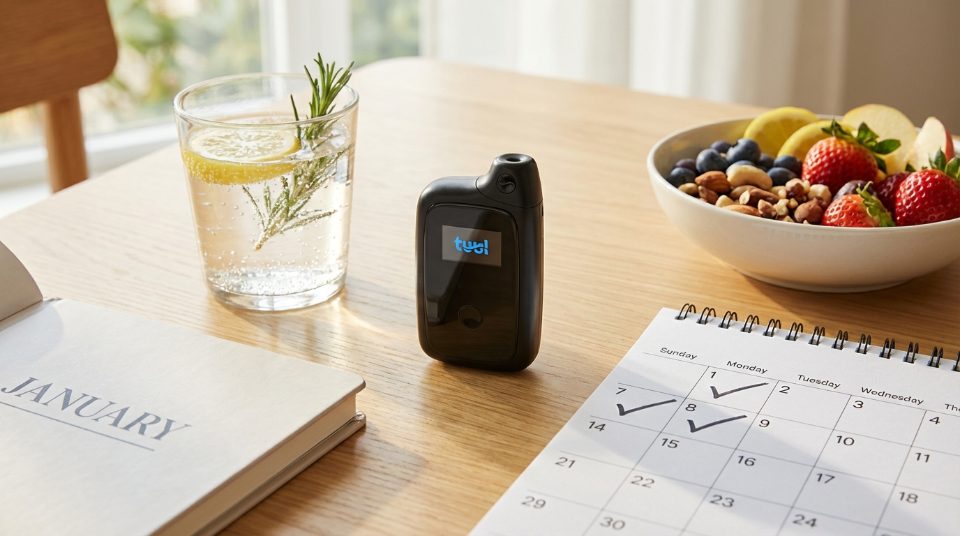
Every January, millions of people commit to starting the year alcohol-free. What began as a UK public health campaign has become a global movement, with participants ranging from heavy drinkers seeking a reset to moderate drinkers curious about life without alcohol.
The concept is simple: no alcohol for 31 days. The execution, however, can be challenging. Social pressure, habit, stress, and boredom all conspire against your commitment. Many people start strong but struggle as the month progresses.
This guide provides practical strategies, useful tools, and realistic expectations to help you complete Dry January successfully—and potentially reshape your relationship with alcohol long after January ends.
Why People Do Dry January
The Post-Holiday Reset
December tends to be heavy drinking season—holiday parties, family gatherings, New Year's Eve celebrations. Many people enter January feeling physically sluggish and mentally foggy from weeks of excess. Dry January offers a clean break and a chance to reset before bad habits solidify further.
Curiosity About Sober Living
The sober curious movement has grown significantly, with more people questioning automatic drinking culture. Many Dry January participants aren't problem drinkers—they're simply curious what life feels like without alcohol. A month provides enough time to experience the differences without committing to permanent change.
Health and Financial Benefits
A month without alcohol delivers measurable benefits: better sleep, weight loss, improved skin, more energy, and significant cost savings. These tangible results motivate participants and often surprise people who didn't realize how much alcohol was affecting them. Additionally, the financial savings from a month without bar tabs and wine purchases can be substantial.
Testing Your Relationship With Alcohol
For some participants, Dry January serves as a diagnostic tool. How hard is it to go without drinking? Do you find yourself constantly thinking about alcohol? Are social situations unbearable without a drink? The answers reveal important information about your relationship with alcohol that might otherwise remain hidden.
What to Expect Week by Week
Week One: The Adjustment Period
The first week is often the hardest. Your body adjusts to the absence of alcohol, which may cause sleep disruption, irritability, or cravings—especially in the evening when drinking typically occurred. Social situations feel awkward without your usual drink in hand. However, many people report increased energy by day four or five as their body begins recovering.
Week Two: Finding Your Rhythm
Physical symptoms typically subside during week two. Sleep improves significantly—you fall asleep naturally and wake feeling more rested. Evening routines begin reshaping around activities other than drinking. The novelty of the challenge keeps motivation high, and you start noticing tangible benefits like clearer skin and stable energy levels.
Week Three: The Danger Zone
Week three often brings the highest risk of giving up. The initial excitement has faded, but the month isn't over yet. Boredom sets in, and the voice saying "one drink won't hurt" gets louder. Social events that seemed manageable earlier now feel tedious. This is when having support systems and alternative activities matters most.
Week Four: Hitting Your Stride
If you make it to week four, completion becomes much more likely. New habits have formed, and the finish line is visible. Many participants report feeling genuinely good—not just "not bad." The accumulated benefits are undeniable: better sleep, more money saved, pounds lost, and a sense of accomplishment. Some begin wondering whether they want to return to drinking at all.
Strategies for Success
Tell People About Your Commitment
Public commitment increases follow-through. Tell friends, family, and coworkers that you're doing Dry January. Their awareness reduces social pressure to drink and creates accountability. Some will join you; others will support you. Either way, you've made it harder to quietly abandon the challenge.
Remove Alcohol From Your Home
Willpower is a limited resource—don't waste it staring at bottles in your kitchen. Before January begins, remove all alcohol from your home or move it somewhere inconvenient. The extra friction between craving and consumption gives your rational brain time to intervene. Out of sight genuinely helps with out of mind.
Stock Non-Alcoholic Alternatives
Replace alcohol with appealing alternatives. The non-alcoholic beverage market has exploded with quality options: NA beers that actually taste good, alcohol-free wines, sophisticated mocktails, and craft sodas. Having something interesting to drink satisfies the ritual aspect of drinking without the alcohol. Sparkling water with lime works in a pinch, but dedicated NA beverages feel more like a treat.
Plan for Social Situations
Social events are where Dry January commitments often crumble. Plan ahead: know what you'll drink (arrive with your own NA options if needed), prepare responses to "why aren't you drinking" questions, and give yourself permission to leave early if the pressure becomes overwhelming. You can also suggest non-bar activities—dinner, movies, bowling—where alcohol isn't the centerpiece.
Find Replacement Evening Activities
Drinking often fills evening hours and provides stress relief. Without it, you need alternatives. Exercise, reading, hobbies, streaming shows, cooking elaborate meals, or learning something new all provide evening structure and stress relief. The key is having a plan before the craving hits, not scrambling for alternatives while staring at an empty wine glass.
Track Your Progress and Benefits
Documenting your journey reinforces commitment and reveals benefits you might otherwise miss. Track days completed, money saved, calories avoided, and how you feel physically and mentally. Apps designed for Dry January or sobriety tracking make this easy. Looking back at your progress during difficult moments reminds you why you started.
Tools That Help
Tracking Apps
Several apps support Dry January and alcohol reduction. They track your sober days, calculate money and calories saved, provide daily motivation, and connect you with communities of others doing the same challenge. The gamification elements—streaks, milestones, badges—tap into psychological rewards that help maintain motivation.
Personal Breathalyzers
A breathalyzer might seem unnecessary for Dry January—after all, you're not drinking. However, it serves a valuable purpose: objective verification of your commitment and a tool for understanding alcohol's lingering effects. Some participants use breathalyzers to demonstrate their commitment to skeptical family members. Others use them after January to understand how drinks affect their BAC as they transition to mindful drinking.
Online Communities
You're not alone in this challenge. Reddit's r/stopdrinking and r/dryjanuary communities provide support, advice, and shared experiences. The official Dry January campaign from Alcohol Change UK offers daily emails and a supportive app. These communities help during difficult moments when you need encouragement from people who understand exactly what you're experiencing.
Non-Alcoholic Beverage Subscriptions
Several companies now offer curated boxes of non-alcoholic beverages delivered monthly. These introduce you to quality NA options you might not discover otherwise and ensure you always have interesting alternatives on hand. The subscription model also creates commitment—you've already paid for the month's supply.
Handling Common Challenges
Social Pressure
"Come on, just one drink" is the enemy of Dry January. Prepare responses in advance: "I'm doing Dry January," "I'm taking a break for the month," "I'm driving," or simply "No thanks." You don't owe anyone an explanation, but having something ready reduces awkwardness. True friends will support your choice; anyone who pressures you repeatedly isn't prioritizing your wellbeing.
Cravings and Triggers
Cravings typically pass within 15-20 minutes if you don't act on them. When they hit, change your environment: take a walk, call someone, drink water, or engage in any activity that redirects your attention. Identify your triggers—stress, boredom, specific social situations—and develop alternative responses to each. Over the month, new neural pathways form and cravings diminish.
Sleep Disruption
Paradoxically, stopping alcohol can temporarily worsen sleep, especially if you used alcohol to fall asleep. This usually resolves within a week or two. In the meantime, practice good sleep hygiene: consistent bedtime, no screens before sleep, cool dark room, and possibly herbal tea or melatonin. The sleep quality you'll eventually achieve without alcohol far exceeds alcohol-assisted sleep.
If You Slip Up
One drink doesn't erase your progress or mean you've failed. Acknowledge the slip, understand what triggered it, recommit to your goal, and continue. Many successful Dry January completers had a moment of weakness along the way. The difference between completion and abandonment is whether you let one slip become permission to quit entirely.
After January: What Comes Next
Completing Dry January is an achievement, but the month's value depends on what comes next. Research shows that participants often drink less for months afterward, with many reporting lasting changes to their drinking habits.
Use February to transition thoughtfully. Rather than celebrating with a binge, consider which aspects of sober living you want to maintain. Perhaps you'll continue avoiding weeknight drinking, or limit yourself to social occasions only, or simply drink more mindfully and less automatically than before. The goal isn't necessarily permanent abstinence—it's a healthier, more intentional relationship with alcohol.
Some participants discover they prefer sober living and continue indefinitely. Others return to moderate drinking with new awareness. Either outcome represents success—you've broken the automatic pattern and made drinking a conscious choice rather than a default behavior.
The Bottom Line
Dry January offers a structured opportunity to reset your relationship with alcohol. The physical benefits—better sleep, more energy, weight loss, clearer skin—are real and often noticeable within two weeks. The psychological benefits—proving you can do it, understanding your triggers, experiencing social situations sober—may be even more valuable.
Success requires preparation: remove alcohol from your home, stock alternatives, plan for social situations, and find replacement activities. Expect the first week to be hardest and week three to bring unexpected challenges. Use apps, communities, and tracking tools to maintain motivation.
Ultimately, Dry January is an experiment in living differently. Whether you continue sober, return to moderate drinking, or simply gain insight into your habits, the month invested pays dividends in self-knowledge and healthier choices.
|
Track Your Journey With Data The tuul® Breeze is a professional-grade portable breathalyzer that helps you understand your relationship with alcohol. During Dry January, it verifies your commitment. After January, it helps you understand exactly how drinks affect your BAC as you transition to mindful drinking. Knowledge is power when reshaping habits. |
Frequently Asked Questions
Is Dry January actually beneficial or just a trend?
Research supports real benefits. Studies of Dry January participants show improved sleep, weight loss, better skin, more energy, and reduced alcohol consumption lasting well beyond January. The University of Sussex found that participants were still drinking less six months later. It's not just a trend—it's an evidence-based reset.
Can I do Dry January if I only drink moderately?
Absolutely. Many Dry January participants aren't heavy drinkers—they're curious about sober living or simply want to prove they can do it. Moderate drinkers often find the challenge reveals how much even "reasonable" drinking was affecting their sleep, energy, and mood. You don't need a drinking problem to benefit from a month without alcohol.
What if I have a work event or wedding during January?
You have options. Some purists would say stick to your commitment regardless—sparkling water exists at every event. Others take a more flexible approach, allowing one exception for a truly significant event. Decide your approach in advance so you're not rationalizing in the moment. If you do make an exception, return to abstinence immediately rather than letting it derail the rest of the month.
Should I be worried if Dry January feels really hard?
Difficulty can be informative. If you struggle significantly with 31 days of abstinence, that's valuable data about your relationship with alcohol. However, don't confuse normal adjustment discomfort with serious withdrawal. If you experience severe symptoms—tremors, extreme anxiety, hallucinations—seek medical attention. For most moderate drinkers, difficulty indicates habit strength, not dependence.
Does it still count if I start late in January?
Yes. Starting January 10th and going alcohol-free for 31 days provides the same benefits as starting January 1st. The calendar is arbitrary—what matters is the consecutive days of abstinence and what you learn from the experience. Don't let a late start become an excuse to skip the challenge entirely and wait for next year.