Designated Driver Guide: Rules, Tips, and Alternatives
The designated driver concept is simple: one person stays completely sober so everyone else can get home safely. It's saved countless lives since becoming mainstream in the 1980s.
However, the system only works when everyone understands the rules. Too often, the "designated driver" has "just a couple drinks," or no one is actually designated until the end of the night when everyone's impaired. These failures lead to preventable tragedies.
This guide covers how to be an effective designated driver, how to choose one for your group, and what alternatives exist when the DD system isn't practical.
The One Rule That Matters: Zero Drinks
A designated driver must consume zero alcohol. Not "just one beer." Not "I'll stop early." Zero.
This rule exists for several important reasons:
- Impairment begins below the legal limit. Reaction time and judgment decline at BAC levels as low as 0.02%—well before you'd "feel drunk."
- One drink often leads to more. In a social drinking environment, it's hard to stop at one. The safest approach is not starting.
- Your friends are counting on you. They've relaxed because they trust you're sober. Breaking that trust puts everyone at risk.
- Legal liability doesn't care about intent. If you cause an accident with any alcohol in your system, you're liable—regardless of whether you were the "designated driver."
If zero drinks isn't acceptable for your night out, then being a designated driver isn't for you that night. There are other options.
How to Be an Effective Designated Driver
Before Going Out
- Commit clearly. Tell your group explicitly: "I'm the DD tonight. I'm not drinking at all." This sets expectations and makes it harder to backslide.
- Know the plan. Understand where you're going, approximate timing, and how many people you'll be driving. Make sure everyone fits in your vehicle.
- Eat before you go. Going out sober while everyone drinks is easier on a full stomach. Plus, you won't be tempted by drunk hunger driving decisions later.
During the Night
- Have a drink in your hand. Holding a soda, mocktail, or water makes you less of a target for "come on, have one drink" pressure.
- Stay engaged. Being sober doesn't mean being boring. Participate in the fun—just without alcohol.
- Keep track of your group. Part of your job is knowing where everyone is and monitoring their condition. Are they getting too drunk? Lost in the crowd?
- Hold the keys. If anyone might argue about driving later, keep their keys with you from the start.
At the End of the Night
- Round everyone up. Drunk people scatter. Give a clear "we're leaving in 15 minutes" warning, then actively gather your group.
- Ensure everyone gets inside. Don't just drop people at the curb. Wait until they're inside their door, especially if they're very intoxicated.
- Handle emergencies calmly. If someone's sick, too drunk, or there's drama, you're the sober one who can think clearly. Stay calm and problem-solve.
How to Choose a Designated Driver
Not everyone is suited to be a DD for every occasion. Consider these factors:
Willingness Matters Most
The DD should genuinely be okay with not drinking—not guilted into it or "taking one for the team" resentfully. A reluctant DD is more likely to cave to pressure or leave early. Therefore, look for someone who either doesn't drink much anyway, is genuinely fine skipping tonight, has a reason to stay sober (early morning, medication, etc.), or actually enjoys being the responsible one.
Rotate Fairly
If you go out regularly with the same group, rotate DD duties. The same person shouldn't always be stuck sober. Create a schedule or take turns volunteering. This fairness makes the system sustainable and prevents resentment.
Decide Before Anyone Drinks
The DD must be chosen before the night begins—not after everyone's had a few and someone says "I'm the most sober." Alcohol impairs the very judgment needed to assess sobriety. Consequently, waiting until the end to decide who drives is exactly how drunk driving happens.
Have a Backup Plan
Sometimes the DD gets sick, has an emergency, or the night goes differently than planned. Know your alternatives before you need them: rideshare apps downloaded and ready, taxi numbers saved, or a backup person who could stay sober.
When the Designated Driver System Doesn't Work
The DD system isn't perfect for every situation. Here's when alternatives make more sense:
- Everyone wants to drink. If no one genuinely wants to stay sober, forcing someone creates resentment and risk. Use another option instead.
- Small group or going solo. The DD system requires multiple people. If you're going out alone or with just one other person, you need a different plan.
- Long events. All-day events like weddings or festivals make it hard for one person to stay sober for 8+ hours while everyone else drinks. Plan transportation instead.
- Unreliable DD. If your designated driver has a history of "just having one" or is easily pressured, they're not actually a DD. Find an alternative.
Alternatives to Designated Drivers
Rideshare Services
Apps like Uber and Lyft have transformed safe transportation. You can request a ride from anywhere, track your driver, and share your trip with friends. The cost is almost always less than a DUI or accident. Furthermore, surge pricing during peak hours is still cheaper than the consequences of drunk driving.
Traditional Taxis
Taxis still exist and work well, especially in cities. They don't require a smartphone app or account setup. Save a local taxi company's number in your phone before you need it. Additionally, many bars and restaurants can call a taxi for you.
Public Transportation
In cities with good transit, buses and trains offer cheap, safe transportation. Check schedules before you go out—many systems run later on weekends. Even if it takes longer than driving, you arrive safely without the risks.
Walking or Biking
If you live close to where you're drinking, walking is the simplest solution. However, be aware that pedestrians can also be ticketed for public intoxication in some areas, and walking while very drunk has its own risks. Biking while intoxicated is illegal in many places and dangerous—it's not a good alternative.
Stay Where You're Drinking
House parties, hotels, or venues with lodging eliminate transportation entirely. If you can sleep where you're drinking, you don't need to worry about getting home until you're sober. This is often the safest option for heavy drinking occasions.
Verifying the DD Is Actually Sober
Trust but verify. Even well-intentioned designated drivers sometimes slip. Here's how to ensure your DD is actually sober:
- Check in throughout the night. Casually ask what they're drinking. If they've switched from soda to beer, you have a problem.
- Watch for signs. Even one or two drinks can affect behavior. If your DD seems looser, louder, or different than when you arrived, pay attention.
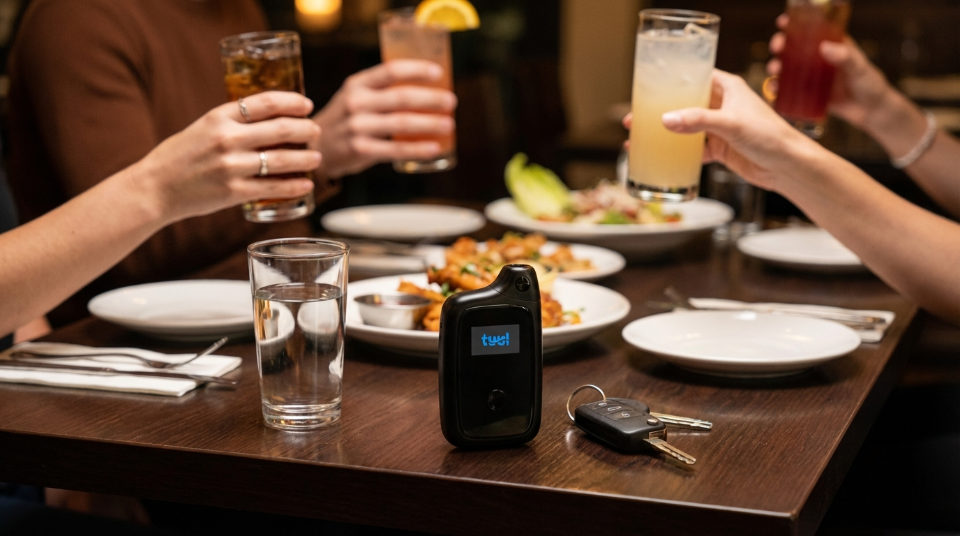
- Use a breathalyzer. A quick BAC check before leaving removes all doubt. It's not about distrust—it's about safety. If the DD is truly sober, they'll blow 0.00% and everyone can relax. If not, you'll know to call a rideshare.
Having a breathalyzer available normalizes checking. It turns "are you sure you're okay to drive?" from an accusation into a simple data check. Many DDs actually appreciate the verification—it confirms they did their job.
The Bottom Line
The designated driver system works when everyone takes it seriously: zero drinks for the DD, commitment before drinking starts, and verification before driving home. When these rules are followed, it's one of the most effective ways to prevent drunk driving.
However, the system isn't always practical. When it's not, use alternatives—rideshare, taxis, transit, or staying where you're drinking. The goal isn't any particular method; it's getting everyone home safely.
Whatever your plan, make it before the first drink. Impaired people make impaired decisions. The time to figure out safe transportation is when everyone's sober enough to think clearly.
|
Verify Your DD. Verify Yourself. The tuul® Breeze is a professional-grade portable breathalyzer that confirms sobriety with certainty. Whether you're the designated driver proving you're at 0.00% or a group verifying your DD before leaving, it takes the guesswork out of safe decisions. |
Frequently Asked Questions
Can a designated driver have one drink?
No. A true designated driver has zero drinks. Even one drink causes some impairment, and having "just one" in a drinking environment often leads to more. The whole point of a DD is being completely sober. If you want to have even one drink, you're not the designated driver—use another transportation option.
What if our designated driver drinks anyway?
Then you no longer have a designated driver. Don't get in the car with them. Instead, call a rideshare, taxi, or another sober person. It's an uncomfortable situation, but riding with a drunk driver is far worse. Address it with them later when everyone's sober.
How do I say no to pressure when I'm the DD?
Be direct and firm: "I'm driving tonight, so I'm not drinking. Period." Having a non-alcoholic drink in hand helps reduce pressure. If friends persistently pressure you after you've declined, that's a friend problem, not a drinking problem. Good friends respect your commitment to keeping everyone safe.
Should I get something in return for being DD?
Many groups show appreciation for their DD: covering their non-alcoholic drinks, buying them dinner, returning the favor next time, or simply expressing genuine thanks. This appreciation makes DD rotation more sustainable. However, being a DD shouldn't require compensation—keeping your friends safe is its own reward.
What's the best alternative if no one wants to be DD?
Rideshare is typically the easiest alternative—download the app before you go out, and you can get a ride from almost anywhere. For planned events, consider booking a shuttle or staying at a hotel near the venue. The key is deciding before drinking starts, not figuring it out when everyone's impaired.