
Continuous vs. Scheduled Alcohol Monitoring: Which Is Right for You?
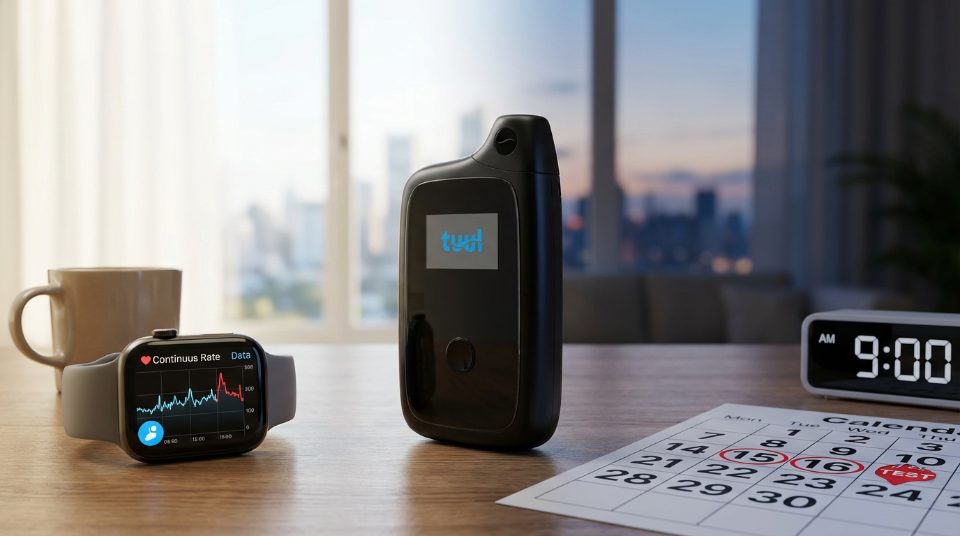
When alcohol monitoring becomes necessary—whether for court requirements, custody agreements, recovery support, or rebuilding trust—you'll encounter two fundamentally different approaches: continuous monitoring that tracks alcohol consumption around the clock, and scheduled testing that checks sobriety at specific times.
Each approach has distinct advantages, limitations, and costs. The right choice depends on your specific situation, including why monitoring is needed, who requires it, and what level of accountability serves your goals. This guide breaks down both approaches to help you make an informed decision.
How Continuous Monitoring Works
Transdermal Alcohol Detection
Continuous alcohol monitoring typically uses transdermal technology—detecting alcohol that passes through the skin via perspiration. The most common device is an ankle bracelet that samples sweat every 30 minutes, measuring the alcohol content and transmitting data wirelessly to a monitoring center. This technology catches drinking that breath tests might miss if timed between testing windows.
What the Data Shows
Transdermal monitoring produces a continuous curve showing alcohol entering and leaving the body over time. Trained analysts can distinguish actual drinking from false positives (like hand sanitizer exposure) by examining the pattern's shape. The data reveals not just whether someone drank, but approximately how much and when. This comprehensive picture leaves little room for dispute.
Common Continuous Monitoring Devices
Ankle-worn transdermal monitors dominate the continuous monitoring market, particularly for court-ordered situations. These devices have established court acceptance and nationwide monitoring infrastructure, making them the default choice for legal situations. They're tamper-resistant and alert monitoring centers if removal is attempted.
How Scheduled Testing Works
Breath Alcohol Testing
Scheduled testing uses breathalyzers to measure blood alcohol content at specific times. Modern systems include verification features—facial recognition, photo capture, GPS location—to confirm the right person is taking the test in the expected location. Results transmit immediately to monitoring parties, whether that's a court, attorney, treatment program, or family member.
Testing Schedules
Testing frequency varies based on need. Options range from random tests several times daily to scheduled tests at specific times (morning and evening, for instance) to event-based testing (before driving, during custody exchanges, or at particular high-risk times). Some systems combine scheduled tests with random additions to prevent gaming the system.
Portable vs. Installed Systems
Scheduled testing devices range from portable personal breathalyzers to installed home units to smartphone-connected devices. Portable options offer flexibility and discretion. Installed systems ensure testing happens at a specific location. Smartphone-connected devices balance portability with robust verification features. The right choice depends on lifestyle and accountability requirements.
Comparing the Two Approaches
Detection Coverage
Continuous monitoring catches virtually all drinking episodes because it never stops measuring. Scheduled testing, by contrast, creates windows where drinking could theoretically occur undetected. However, frequent scheduled testing (multiple times daily at random intervals) narrows these windows significantly. For most situations, well-designed scheduled testing provides sufficient coverage.
Cost Differences
Continuous monitoring typically costs $300-400 per month including device rental and monitoring fees. Scheduled testing costs vary more widely: a one-time breathalyzer purchase runs $200-400, while monitored testing services charge $100-200 monthly. Over time, scheduled testing usually costs significantly less, especially if you own the device rather than renting.
Visibility and Stigma
Ankle monitors are visible—they can't be hidden under most clothing. This visibility carries significant stigma, affecting employment, social situations, and self-image. Portable breathalyzers, conversely, fit in a pocket or purse and can be used privately. For many people, the discretion of scheduled testing matters as much as the monitoring itself.
Lifestyle Impact
Continuous monitoring devices must stay on 24/7, creating restrictions around swimming, certain sports, and even some medical procedures. They require regular charging (while worn) and can cause skin irritation. Scheduled testing integrates more easily into daily life—tests take seconds and the device goes back in your pocket. The difference in lifestyle burden is substantial.
Court and Legal Acceptance
Both approaches are accepted in court proceedings, though continuous monitoring has longer-established precedent. Judges often view continuous monitoring as more rigorous, which can work for or against you depending on the situation. Scheduled testing with proper verification features (photo, GPS, timestamps) increasingly satisfies court requirements, particularly in family law contexts.
Quick Comparison
|
Factor |
Continuous Monitoring |
Scheduled Testing |
|
Monthly Cost |
$300-400 |
$0-200 (after device purchase) |
|
Detection Coverage |
24/7 continuous |
Point-in-time (frequency varies) |
|
Visibility |
Visible ankle bracelet |
Pocket-sized, discreet |
|
Lifestyle Impact |
Significant (worn 24/7) |
Minimal (tests take seconds) |
|
Court Acceptance |
Well established |
Established (with verification) |
|
Best For |
High-risk, court-mandated cases |
Recovery support, trust rebuilding, moderate-risk situations |
When Continuous Monitoring Makes Sense
Court-Ordered High-Risk Situations
For serious DUI offenses, repeat violations, or situations where public safety is a significant concern, courts often mandate continuous monitoring. The comprehensive coverage and established legal precedent make it appropriate when the stakes are highest. If a judge orders it specifically, there's typically no alternative option.
History of Circumventing Testing
If someone has previously found ways around scheduled testing—having others take tests, timing drinking between test windows, or tampering with devices—continuous monitoring closes those loopholes. The constant measurement and tamper detection make it much harder to cheat, which may be necessary when trust has been severely damaged.
When Complete Documentation Is Required
Certain legal situations require comprehensive proof of sobriety, not just spot checks. Continuous monitoring provides an unbroken record that scheduled testing cannot match. For high-stakes custody disputes or professional licensing issues, this complete picture may be worth the additional cost and inconvenience.
When Scheduled Testing Makes Sense
Voluntary Recovery Support
People choosing monitoring to support their own recovery often prefer scheduled testing. It provides accountability without the stigma and lifestyle restrictions of ankle monitoring. The act of taking the test itself becomes a recovery ritual—a moment of conscious commitment to sobriety. Many find this active participation more meaningful than passive monitoring.
Rebuilding Trust in Relationships
When monitoring serves to rebuild trust with a spouse, family member, or employer, scheduled testing often strikes the right balance. It demonstrates accountability without the severity of ankle monitoring, which can feel disproportionate to the situation. The discretion also protects the person's dignity, which matters for long-term relationship repair.
Specific High-Risk Situations
Sometimes the concern isn't constant drinking but specific situations: custody exchanges, driving, work hours, or particular social events. Scheduled testing can target these moments precisely. Testing before every custody handoff or every time you get behind the wheel addresses the actual safety concern without 24/7 monitoring.
Cost-Sensitive Situations
At $300-400 monthly, continuous monitoring strains many budgets. Scheduled testing—especially with a purchased device rather than a rental service—costs a fraction as much over time. When monitoring needs to continue for months or years, the cost difference becomes substantial. Financial sustainability matters for long-term accountability.
Making Your Decision
Start by identifying who requires the monitoring and why. Court orders may specify the type. Custody agreements might require specific verification features. Treatment programs often have preferred approaches. Understanding these requirements narrows your options before considering preferences.
Consider the severity and history of the situation. First-time issues or voluntary recovery support rarely require continuous monitoring. Serious incidents, repeated violations, or significant safety concerns may warrant the more intensive approach. Match the monitoring level to the actual risk.
Factor in practical considerations: budget, lifestyle, employment, and how long monitoring will continue. A solution that's unsustainable or creates resentment undermines the accountability it's supposed to provide. The best monitoring approach is one that actually gets used consistently.
The Bottom Line
Continuous and scheduled alcohol monitoring each serve important purposes. Continuous monitoring provides comprehensive coverage for high-risk, high-stakes situations where complete documentation matters. Scheduled testing offers flexible, affordable, discreet accountability for recovery support, trust rebuilding, and moderate-risk circumstances.
Neither approach is inherently better—the right choice depends on your specific situation. Consider who's requiring monitoring, the severity of concerns, practical constraints like cost and lifestyle, and how long monitoring needs to continue. When in doubt, start with scheduled testing; you can always escalate to continuous monitoring if needed.
|
Effective Accountability Without the Ankle Bracelet The tuul® Breeze is a professional-grade portable breathalyzer with photo verification, GPS location stamping, and cloud-based result storage. It provides the accountability courts and families need without the stigma, lifestyle restrictions, and ongoing costs of continuous monitoring. For most situations, it's the smarter choice. |
Frequently Asked Questions
Can I choose scheduled testing if the court ordered continuous monitoring?
Generally no—court orders must be followed as written. However, you may be able to petition for modification after demonstrating compliance, or your attorney might negotiate alternative arrangements in some circumstances. Always consult legal counsel before deviating from court-ordered monitoring.
How frequent does scheduled testing need to be to provide strong coverage?
No scheduled testing frequency truly matches 24/7 monitoring. However, multiple daily random tests create narrow windows that make undetected drinking impractical. Testing 3-4 times daily at unpredictable intervals catches most drinking, especially when combined with EtG urine tests that detect consumption over 48-80 hours.
What happens if I miss a scheduled test?
Consequences depend on your monitoring agreement. Some treat missed tests as presumptive positives; others allow makeup tests within a window; still others trigger reviews after multiple misses. The protocol should be established upfront in your monitoring agreement to avoid disputes later.
Can continuous monitoring produce false positives?
Yes, though trained analysts can usually identify them. Common causes include certain hand sanitizers, environmental alcohol exposure, and some skin conditions. The pattern of a false positive typically looks different from actual drinking. If you believe you've received a false positive, document potential causes and request professional review of the data pattern.
Is one approach more effective for long-term sobriety?
Research doesn't clearly favor either approach for recovery outcomes. What matters more is whether the person is genuinely committed to sobriety and has adequate support. Monitoring is a tool, not a cure—it provides accountability and early warning, but lasting change comes from addressing underlying issues through treatment, support groups, and lifestyle changes.