Concert and Festival Safety: How to Get Home After Drinking
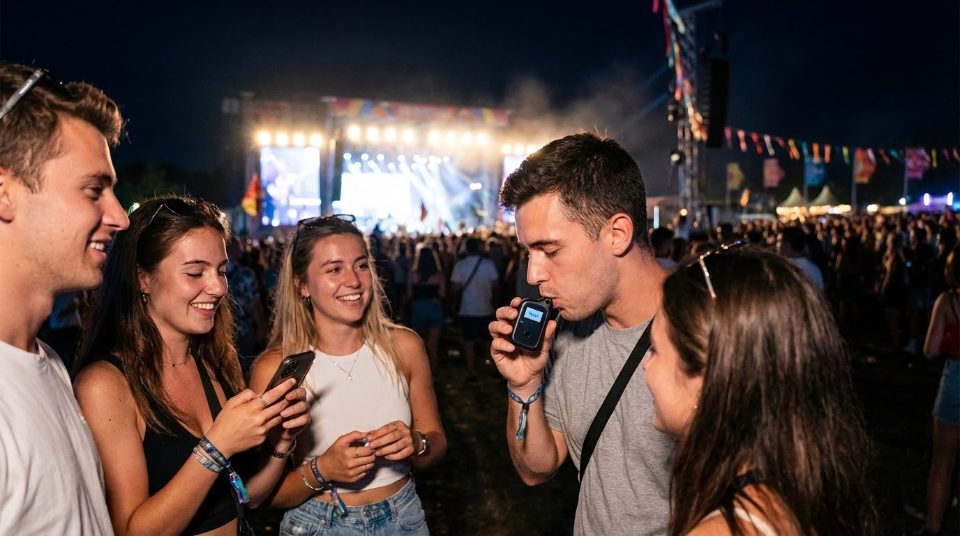
The lights, the music, the energy of the crowd—concerts and music festivals create unforgettable experiences. For many attendees, alcohol is part of that experience: tailgating before the show, beers during the performance, drinks with friends after the encore.
However, when the house lights come up and thousands of people head to the parking lot simultaneously, a dangerous situation emerges. Many concert-goers are impaired, emotionally charged, and eager to beat traffic. Consequently, this combination leads to accidents, DUI arrests, and tragedies that overshadow the night's memories.
This guide covers why concert and festival drinking is particularly risky, how to plan ahead for safe transportation, and what to do if your original plan falls through.
Why Concerts and Festivals Are High-Risk Drinking Environments
Extended Duration
Concerts and festivals aren't quick outings. A typical concert involves tailgating (1-2 hours), the show itself (2-4 hours), and often post-show socializing. Multi-day festivals can involve drinking over 8-12 hours per day. As a result, this extended timeline allows significant alcohol accumulation.
Emotional Amplification
Live music creates emotional highs—excitement, nostalgia, euphoria. These feelings make alcohol's effects less noticeable. You feel amazing because of the experience, so you don't register how impaired you actually are. Furthermore, the energy of the crowd masks your individual state.
Environmental Stressors
Outdoor festivals involve heat, sun exposure, and physical exertion from standing and dancing. These factors cause dehydration and fatigue—both of which amplify alcohol's impairing effects. Indoor concerts involve loud noise, crowds, and often poor ventilation. Either environment stresses your body while you're drinking.
Pre-Gaming Culture
Venue alcohol prices are notoriously high—$12-18 for a beer isn't unusual. Many people respond by drinking heavily in the parking lot beforehand. This front-loaded consumption means you're already significantly impaired when the show starts, with more drinking potentially to follow.
Mass Exodus Pressure
When a show ends, everyone leaves at once. Parking lots become chaotic, and there's social pressure to move quickly, beat traffic, and find your group. This urgency works against careful decision-making about whether you're sober enough to drive. Additionally, impaired drivers are sharing the road with each other in concentrated numbers.
Remote Locations
Many venues and festival grounds are in areas with limited rideshare availability, no public transit, and few taxis. When alternative transportation is difficult, people convince themselves driving is the only option.
Planning Ahead: Before the Event
The time to plan your safe ride home is before the first drink—ideally, before you even leave for the event.
Designate a Sober Driver
If you're going with a group, identify who's staying sober before anyone drinks. This person commits to zero alcohol all day or night—not "I'll stop early" or "I'll only have a couple." For multi-day festivals, rotate the responsibility so one person isn't stuck sober the entire weekend.
Book Transportation in Advance
Research your options before the event:
- Venue shuttles: Many concerts and festivals offer shuttle service from designated pickup points or partner hotels
- Charter buses: For popular events, companies run bus service from major cities to the venue
- Rideshare zones: Large venues often have designated rideshare pickup areas—know where they are
- Nearby hotels: Booking within walking distance eliminates transportation concerns entirely
Verify Your Apps and Coverage
Make sure you have rideshare apps installed, accounts set up, and payment methods verified before the event. Check that service is available at the venue location—some rural festival sites have limited coverage. Having a backup app (both Uber and Lyft) gives you options if one has longer wait times.
Budget for Surge Pricing
Surge pricing after events can be extreme—3x to 5x normal rates when thousands of people request rides simultaneously. Therefore, decide in advance that you're willing to pay whatever it costs. A $100 surge-priced ride is still far cheaper than a DUI.
Share Your Plan
Tell someone not at the event your transportation plan. If something goes wrong—dead phone, lost group, plan falls through—they can help arrange alternatives or come get you.
During the Event
Pace Your Drinking
Multi-hour events make it easy to accumulate alcohol. If you're going to drink, pace yourself—no more than one drink per hour. Alternate alcoholic drinks with water. Remember that your body processes alcohol at a fixed rate regardless of how you feel.
Eat Substantial Food
Festival food might not be gourmet, but eating substantial meals dramatically slows alcohol absorption. Don't rely on liquid courage alone—line your stomach with actual food throughout the day.
Stay Hydrated
Heat, dancing, and alcohol all dehydrate you. Drink water consistently throughout the event, as many festivals have free water refill stations. Dehydration amplifies impairment and makes hangovers worse.
Keep Your Phone Charged
Your phone is your lifeline for transportation. Bring a portable charger and conserve battery by reducing screen brightness and closing unnecessary apps. A dead phone at the end of the night means no rideshare, no navigation, and no calling for help.
Track Your Consumption
It's easy to lose count over a long event. Use your phone to track drinks, or simply count on your fingers. Knowing roughly what you've consumed helps you make better decisions about whether you're okay to drive.
When the Show Ends
Avoid the Rush
The immediate post-show exodus is the most dangerous time. Thousands of potentially impaired people are trying to leave at once. If you've been drinking, wait it out instead. Find food, use the restroom, let the initial wave pass. Your BAC might drop slightly, rideshare surge pricing might decrease, and the roads will be less chaotic.
Check Your BAC
Before deciding to drive, check your actual BAC with a breathalyzer. Not how you feel, not how many drinks you think you had—your actual blood alcohol content. If you're at or near 0.08%, don't drive. Moreover, if you're over 0.05%, seriously consider alternatives—impairment begins well below the legal limit.
Request Your Ride Early
If using rideshare, request your ride before heading to the pickup area. Wait times can be long after events, so scheduling in advance (if the app allows) or requesting while still in the venue gives drivers time to reach you.
Establish a Meeting Point
If you're with a group, establish a clear meeting point before you split up. Cell service is often poor at large events, so having a predetermined location prevents the chaotic search for friends that can lead to bad decisions.
Accept the Surge Pricing
When surge pricing shows $75 for what's normally a $20 ride, the temptation to "just drive" is real. Resist it firmly. That $75 is nothing compared to a DUI, so consider it part of the cost of the night out—still cheaper than the extra drinks you would have bought at venue prices.
When Your Plan Falls Through
Sometimes the designated driver drinks, rideshare isn't available, or circumstances change. Here's what to do:
- Call someone you trust: A family member, friend, or anyone reliable. Waking someone up at 1 AM is better than a DUI arrest or accident.
- Book a hotel room: Even an expensive last-minute room is cheaper than a DUI. Sleep it off and drive home sober in the morning.
- Wait until you're sober: Find a safe place—a diner, a 24-hour restaurant, your car (without the keys in the ignition)—and wait. This takes longer than most people expect: roughly one hour per drink.
- Ask venue staff for help: Many venues and festivals have information about local transportation options, partner hotels, or safe waiting areas.
The Bottom Line
Concerts and festivals are meant to be memorable for the right reasons—the music, the experience, the time with friends. A DUI arrest, an accident, or hurting someone creates memories no one wants.
Plan your safe ride home before the event by designating a driver, booking transportation, and knowing your options. During the event, pace yourself, stay hydrated, eat food, and track your consumption. When it ends, don't rush—check your BAC, wait out the chaos, and get home safely.
Ultimately, the best concerts are the ones you remember fondly the next day, not the ones that end with regret.
|
Know Before You Go (Home) The tuul® Breeze is a professional-grade portable breathalyzer that fits in your pocket or bag. Before leaving any concert or festival, a quick test tells you whether you're safe to drive or should call that rideshare. Make it part of your pre-show packing list—right next to your ticket and phone charger. |
Frequently Asked Questions
How long should I wait after a concert before driving?
It depends entirely on how much you drank. Your body processes about one drink per hour. If you had six drinks over a five-hour event, you'd need to wait at least another hour after the show ends for your BAC to approach zero—and that's after stopping drinking. The only way to know for certain is to check your BAC with a breathalyzer.
Is rideshare really available after big concerts?
At major venues in metropolitan areas, yes—though wait times can be long and surge pricing significant. Rural festival locations may have limited coverage. Therefore, check availability at your specific venue before the event, and have backup plans ready. Many large events now have designated rideshare pickup zones to make this easier.
What if I can't afford the surge pricing?
Wait 30-60 minutes after the initial exodus—prices often drop significantly. You can also split the cost with others heading the same direction, or check both Uber and Lyft since pricing varies between apps. Consider a taxi, which doesn't surge. Worst case, find a safe place to wait longer. No surge price costs as much as a DUI.
Can I sleep in my car at the venue?
Policies vary by venue. Some allow overnight parking; others clear lots immediately. Even where allowed, sleeping in your car while intoxicated can lead to a DUI charge in some states if keys are accessible. Consequently, it's better to find a hotel, get a ride, or have someone pick you up than to risk this legal gray area.
What about multi-day camping festivals?
Camping festivals have different dynamics—you're not driving home each night. However, you still need to drive home at the end. After several days of drinking and limited sleep, your judgment and reflexes are compromised even if you feel sober. Therefore, give yourself a full day of sobriety, sleep, and recovery before the drive home.