Boating Under the Influence (BUI): Laws, Penalties, and Safety
Cold beers on the boat. Cocktails at anchor. Wine while watching the sunset from the deck. For many people, alcohol and boating go together naturally—it's part of the relaxation and recreation.
However, operating a boat while intoxicated is illegal, dangerous, and often more impairing than driving a car at the same BAC level. Boating Under the Influence (BUI) carries serious penalties, and alcohol is involved in approximately one-third of all recreational boating fatalities.
This guide covers BUI laws, why alcohol affects you differently on the water, the penalties you face, and how to enjoy boating responsibly if alcohol is part of your day.
BUI Laws: What You Need to Know
The Federal Standard
Under federal law, it's illegal to operate a vessel while intoxicated. The legal limit is 0.08% BAC—the same as driving a car. This applies to all navigable waters under U.S. jurisdiction, including coastal waters, the Great Lakes, and many inland lakes and rivers.
The U.S. Coast Guard and state agencies enforce these laws. Officers can stop boats for safety inspections and, if they suspect impairment, conduct field sobriety tests and breathalyzer tests. Refusing a test typically carries automatic penalties, similar to implied consent laws for driving.
State Laws Vary
While the 0.08% BAC limit is standard, states have their own BUI laws with varying penalties. Some states have lower limits for commercial operators or anyone under 21. Additionally, some states have "zero tolerance" policies for certain vessel types or circumstances.
What counts as a "vessel" also varies. Most states include motorboats, sailboats, personal watercraft (jet skis), and sometimes kayaks and canoes. If it floats and you're operating it, BUI laws probably apply.
Passengers Can Drink—Operators Cannot
Unlike in a car, passengers on most boats can legally consume alcohol in most states. However, the person operating the vessel must stay under the legal limit. This creates a challenging dynamic: everyone around you is drinking while you need to stay sober enough to operate safely.
Some states restrict open containers on certain waterways or vessel types. Furthermore, local ordinances may have additional restrictions. Check the specific rules for where you're boating.
Why Alcohol Affects You More on the Water
Boating while intoxicated is more dangerous than driving at the same BAC level. Here's why:
Environmental Stressors
On the water, your body is dealing with sun exposure, wind, engine noise and vibration, and the constant motion of waves. These "stressors" cause fatigue even without alcohol. When you add alcohol, the effects multiply. Research suggests that one hour on the water in these conditions can produce fatigue equivalent to staying up all night.
Balance and Coordination Challenges
Operating a boat requires constant balance adjustments as the vessel moves. Alcohol impairs your vestibular system—the inner ear mechanisms that control balance. On a moving boat, this impairment is magnified. Tasks that seem simple when sober, like moving around the deck or responding to sudden waves, become genuinely dangerous.
Dehydration Acceleration
Sun and wind cause dehydration. Alcohol is a diuretic that accelerates water loss. Combined, you can become severely dehydrated quickly without realizing it. Dehydration amplifies alcohol's impairing effects and increases the risk of heat-related illness. Consequently, that afternoon beer affects you more than you'd expect.
Judgment in an Uncontrolled Environment
Unlike roads, waterways have no lanes, stop signs, or traffic lights. You're responsible for watching for other boats, obstacles, swimmers, and changing conditions. This requires constant vigilance and good judgment—exactly what alcohol impairs. Moreover, there are no seatbelts, airbags, or rumble strips to save you from mistakes.
BUI Penalties: What You're Risking
BUI penalties are comparable to DUI penalties and can include:
|
Penalty Type |
Typical Range |
|
Fines |
$500 to $5,000+ for first offense; higher for repeat offenses |
|
Jail Time |
Up to 6 months for first offense; 1+ years for repeat or aggravated offenses |
|
Boating Privileges |
Suspension or revocation of boating license/privileges |
|
Criminal Record |
Misdemeanor or felony depending on circumstances |
|
Driver's License |
Some states suspend car driving privileges for BUI |
|
Vessel Impoundment |
Boat may be seized and held pending case resolution |
If a BUI results in injury or death, penalties escalate dramatically. Felony charges, years of imprisonment, and massive civil liability are all possible. Furthermore, a BUI conviction may affect your insurance rates, professional licenses, and future employment.
Safe Boating Practices When Alcohol Is Present
Designate a Sober Operator
Just like designating a driver, designate someone to remain sober and operate the boat. This person should have zero alcohol all day—not "just a couple" early on. Given how environmental factors amplify impairment, even low BAC levels are risky on the water.
Wait Until You're Done Operating
If you're the only qualified operator, save alcohol for after you're safely docked or anchored for the night. Enjoy the day sober, then celebrate once the boat is secured. This approach lets you enjoy both boating and drinking without combining them dangerously.
Stay Hydrated and Fed
If passengers are drinking, encourage water and food throughout the day. Dehydration and empty stomachs make alcohol hit harder. Bring plenty of non-alcoholic beverages and substantial snacks. As the operator, stay extra hydrated yourself—fatigue from sun and wind affects you even without alcohol.
Know Your BAC
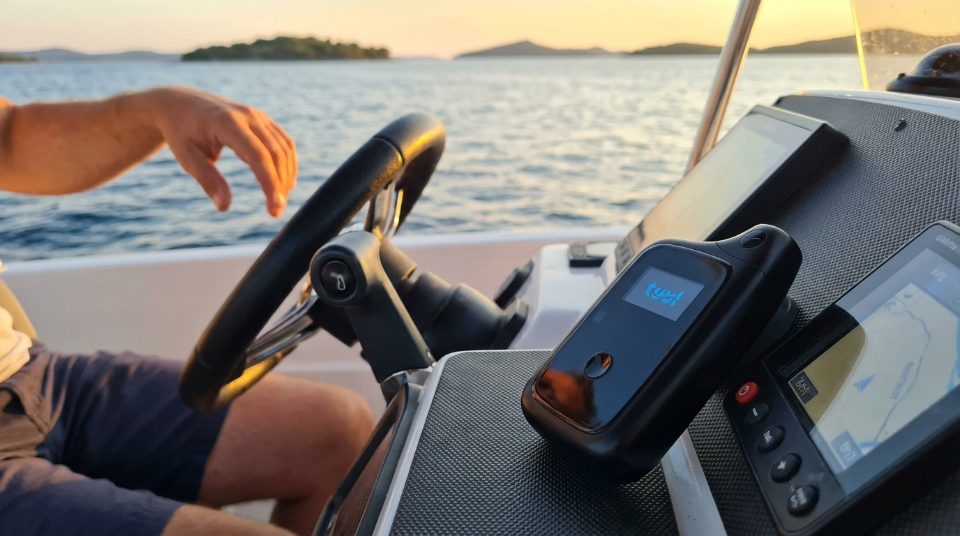
If you've had anything to drink and might need to operate the vessel, check your BAC before taking the helm. A personal breathalyzer removes guesswork. Remember that the legal limit is 0.08%, but impairment—especially on the water—begins well below that. Therefore, aim for 0.00% when operating.
Life Jackets for Everyone
Alcohol increases drowning risk dramatically. Impaired swimmers have poor coordination, reduced ability to hold their breath, and impaired judgment about their capabilities. Ensure everyone wears a life jacket—not just has one accessible—especially if drinking is involved. This single precaution saves lives.
What Happens If You're Stopped
Coast Guard and marine patrol officers can stop vessels for safety inspections at any time—no probable cause required. During these stops, they may:
- Check for required safety equipment
- Verify registration and operator credentials
- Assess the operator for signs of impairment
- Conduct field sobriety or breathalyzer tests if impairment is suspected
If you're stopped and have been drinking:
- Be cooperative and polite. Hostility makes situations worse.
- Know your rights. You can decline field sobriety tests in some jurisdictions, but implied consent laws may penalize refusing a breathalyzer.
- Don't lie. Officers are trained to detect impairment. Claiming you haven't been drinking when you have makes things worse.
If charged with BUI, contact a maritime attorney. BUI cases have unique aspects that general DUI attorneys may not understand fully.
The Bottom Line
Boating and alcohol are culturally connected, but operating a vessel while impaired is illegal, dangerous, and often more impairing than driving at the same BAC. Environmental stressors on the water multiply alcohol's effects, making even moderate drinking risky for operators.
If alcohol is part of your boating day, designate a sober operator or save drinking until you're safely docked. Know your BAC before taking the helm. Ensure everyone wears life jackets, stay hydrated, and respect that the water demands your full, unimpaired attention.
The best days on the water are the ones everyone comes home from safely. A little planning ensures your boating memories are happy ones.
|
Don't Guess on the Water The tuul® Breeze is a professional-grade portable breathalyzer that's perfect for boat bags. Before taking the helm, know your actual BAC—not what you think it is after a day of sun, wind, and waves. Compact and reliable, it takes the guesswork out of safe boating decisions. |
Frequently Asked Questions
Can passengers drink alcohol on a boat?
In most states, yes—passengers can legally consume alcohol on recreational boats. However, the operator must remain under the legal BAC limit (0.08% in most jurisdictions). Some states and local waterways have restrictions on open containers, so check local rules. Additionally, remember that intoxicated passengers are at higher risk of falling overboard and drowning.
Is the BUI limit the same as DUI?
Yes, in most states the legal limit is 0.08% BAC for both BUI and DUI. However, some states have lower limits for commercial vessel operators or boaters under 21. Furthermore, remember that environmental factors make the same BAC more impairing on the water than on the road.
Can I get a BUI on a kayak or paddleboard?
Potentially, yes. Many states include all watercraft—including kayaks, canoes, paddleboards, and even inflatable rafts—under their BUI laws. While enforcement is less common than for motorized vessels, you can still be cited. More importantly, operating any watercraft while impaired puts you at serious risk of drowning.
Will a BUI affect my driver's license?
In some states, yes. Several states suspend or revoke car driving privileges for BUI convictions, treating it similarly to a DUI. Even in states that don't automatically suspend licenses, a BUI goes on your criminal record and may affect insurance rates, employment, and professional licensing.
How can I enjoy alcohol while boating safely?
The safest approach is to separate operating from drinking: designate a sober operator for the day, or save alcohol until you're anchored or docked for the evening. If you're the only qualified operator, enjoy the boating sober and save drinks for after the boat is secured. Always ensure everyone wears life jackets, stays hydrated, and recognizes that the water environment amplifies alcohol's effects.