Alcohol Tolerance: Why Feeling Sober Doesn't Mean You Are
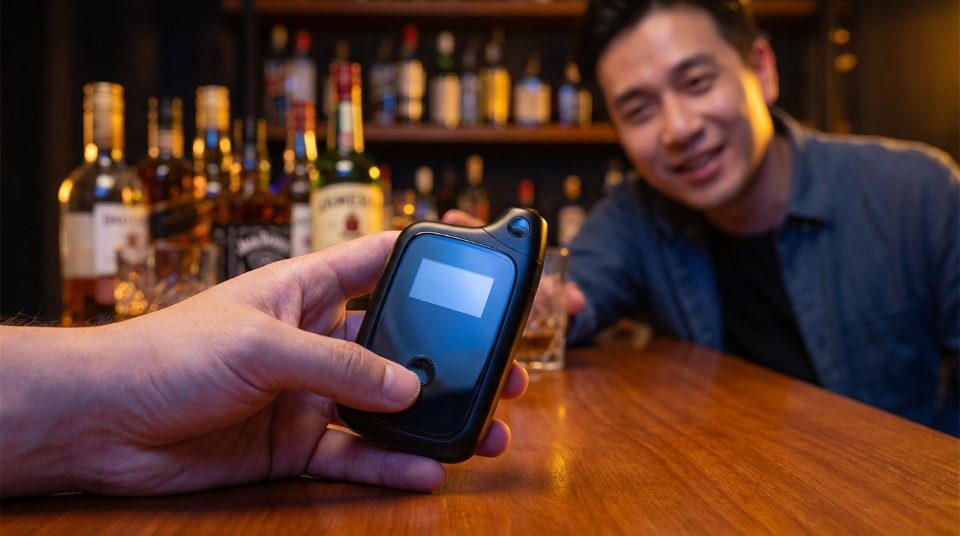
"I can hold my liquor." "I don't even feel buzzed." "I'm fine to drive—I've had way more than this before."
These statements reveal a dangerous misunderstanding about alcohol tolerance. Having a high tolerance doesn't mean alcohol affects you less—it means you feel like it affects you less. Your BAC, your impairment, and your legal liability remain exactly the same.
This guide explains what alcohol tolerance actually is, why it develops, and why it makes drinking more dangerous rather than less.
What Is Alcohol Tolerance?
Alcohol tolerance is your brain's adaptation to regular alcohol exposure. When you drink frequently, your brain adjusts its chemistry to function more normally despite alcohol's presence. As a result, you need more alcohol to feel the same effects.
There are several types of tolerance:
Functional Tolerance
Your brain learns to compensate for alcohol's effects, allowing you to appear and feel more sober than your BAC would suggest. You can walk straighter, speak more clearly, and think more coherently—even while legally impaired.
Metabolic Tolerance
With heavy use, your liver produces more enzymes to break down alcohol. This means alcohol leaves your system slightly faster. However, metabolic tolerance has limits and doesn't significantly change your peak BAC.
Learned Tolerance
You learn to perform specific tasks while intoxicated through practice. Someone who drinks regularly while playing darts might play darts reasonably well while drunk—but this doesn't mean they could drive safely.
Environment-Dependent Tolerance
Tolerance is partially context-specific. You might feel less impaired drinking at your regular bar than drinking the same amount in an unfamiliar setting. Your brain associates certain environments with alcohol and pre-compensates.
The Dangerous Disconnect: Feeling vs. Reality
Here's the critical point most people miss: tolerance changes how you feel, not your actual impairment level.
Consider two people who both reach 0.10% BAC:
- Person A (low tolerance): Feels very drunk. Slurred speech, unsteady walking, obviously impaired. Knows they shouldn't drive.
- Person B (high tolerance): Feels "a little buzzed." Speaks clearly, walks normally, feels capable. Thinks they're fine to drive.
Both people have the same BAC. Both have the same reaction time impairment. Both have the same legal liability. Both would fail a breathalyzer test. But Person B is far more likely to get behind the wheel because they don't feel impaired.
This is why high tolerance is dangerous—it removes your internal warning system. The feelings that would normally stop you from driving (dizziness, lack of coordination, foggy thinking) are suppressed. Consequently, you make decisions based on false information.
What Tolerance Doesn't Change
No matter how high your tolerance:
- Your BAC stays the same. Tolerance doesn't change how much alcohol enters your bloodstream. Four drinks will produce roughly the same BAC whether you drink every day or once a year.
- Your reaction time is still impaired. Studies show that even people with high functional tolerance have measurably slower reaction times. You just don't notice it.
- Your judgment is still compromised. Alcohol affects decision-making regardless of tolerance. In fact, feeling capable when you're not is itself a judgment error caused by the alcohol.
- The legal limit is still the legal limit. Courts don't care how sober you felt. A BAC of 0.08% is illegal whether you're stumbling drunk or feeling perfectly fine.
- Health effects continue accumulating. Tolerance doesn't protect your liver, heart, or brain. If anything, needing more alcohol to feel effects means consuming more and causing more damage.
How Tolerance Develops
Tolerance builds through regular alcohol exposure. Your brain is remarkably adaptive—when repeatedly exposed to a substance that disrupts its function, it adjusts to maintain stability.
Several factors affect how quickly tolerance develops:
- Frequency of drinking: Daily drinkers develop tolerance faster than weekend drinkers.
- Amount consumed: Heavier drinking sessions accelerate tolerance development.
- Genetics: Some people are genetically predisposed to develop tolerance more quickly.
- Body composition: Body size, muscle mass, and metabolism all play roles.
- Drinking history: Years of drinking history affect baseline tolerance levels.
Important: Tolerance can decrease during periods of reduced drinking. After a break, your tolerance may be lower than expected—making your usual amount more intoxicating than anticipated.
Why Tolerance Makes Driving More Dangerous
Paradoxically, people with high tolerance are at higher risk for DUI, not lower. Here's why:
- They drink more. To achieve the desired effect, high-tolerance individuals consume more alcohol. More alcohol means higher BAC.
- They misjudge their impairment. Feeling "fine" at 0.10% BAC leads to driving decisions that someone feeling obviously drunk wouldn't make.
- They have false confidence. Past experiences of "driving fine" after drinking reinforce the dangerous belief that they can handle it.
- They don't recognize warning signs. The internal cues that would stop a low-tolerance person from driving are suppressed.
Studies confirm this: people with higher tolerance are more likely to drink and drive, more likely to drive at higher BAC levels, and more likely to believe they're safe when they're not.
The Only Reliable Measure: Actual BAC
If tolerance makes "feeling sober" unreliable, what can you trust?
Your actual BAC.
A breathalyzer doesn't care about your tolerance. It doesn't care how clearly you can speak or how steady your hands are. It measures the alcohol in your blood—period. That number tells you whether you're safe to drive, not your subjective feelings.
This is especially important for people with high tolerance:
- You can't trust how you feel, so you need objective data.
- You may be surprised how high your BAC is when you feel "fine."
- The gap between feeling and reality might be larger than you expect.
Many people with high tolerance test themselves for the first time and discover they're routinely hitting 0.10-0.15% BAC when they feel only mildly buzzed. That's a wake-up call that could prevent a DUI—or worse.
Signs Your Tolerance May Be High
- You need more drinks than you used to for the same effect
- Friends comment that you "don't seem drunk" when you've had a lot
- You can drink amounts that would visibly impair others
- You rarely feel "drunk" even after multiple drinks
- You've driven after drinking and felt fine doing so
- You drink regularly (several times per week or more)
If these describe you, your internal "drunk meter" is probably unreliable. You need external measurement to know your true impairment level.
The Bottom Line
Alcohol tolerance is your brain's adaptation to regular drinking—it makes you feel less drunk without actually reducing impairment. Your BAC, reaction time, judgment, and legal liability remain the same whether you feel drunk or not.
This makes high tolerance dangerous rather than protective. People with high tolerance drink more, misjudge their impairment, and make driving decisions based on feelings that don't reflect reality.
The solution is simple: don't trust how you feel. Trust measurement. A breathalyzer tells you your actual BAC regardless of tolerance, giving you the objective information you need to make safe decisions.
Don't Trust How You Feel. Trust the Data. The tuul® Breeze is a professional-grade portable breathalyzer that measures your actual BAC—regardless of how sober you feel. For people with high tolerance, it's the reality check that could prevent a DUI or save a life. |
Frequently Asked Questions
Does high tolerance mean I can drink more safely?
No. High tolerance means you feel less drunk at the same BAC levels—it doesn't reduce your actual impairment, reaction time, or legal liability. If anything, high tolerance is more dangerous because it removes the internal warning signs that would normally stop you from risky behavior.
Does tolerance affect my BAC?
Minimal impact. While heavy drinkers may develop slightly faster alcohol metabolism, this doesn't significantly change peak BAC. Four drinks will produce roughly the same BAC whether you're a daily drinker or an occasional one. Tolerance primarily affects how you feel, not your actual blood alcohol level.
How quickly does tolerance develop?
Tolerance can begin developing within days of regular drinking and becomes significant within weeks of heavy use. The speed depends on frequency, amount consumed, and individual genetics. Tolerance also decreases during breaks from drinking.
Can I lower my tolerance?
Yes. Tolerance decreases during periods of reduced drinking or abstinence. After several weeks without alcohol, your tolerance will be noticeably lower. This is worth knowing—if you drink heavily, take a break, then resume at your previous levels, you may be more impaired than expected.
Is high tolerance a sign of alcoholism?
High tolerance is one potential indicator of alcohol use disorder, but it's not definitive on its own. Regular heavy drinking leads to tolerance regardless of whether someone meets clinical criteria for alcoholism. However, needing increasingly more alcohol to feel effects is a warning sign worth taking seriously.