Implementing Alcohol Testing Programs in Residential Treatment: A Facility Guide
Residential treatment facilities face a fundamental challenge: creating a safe, sober environment while respecting client dignity and supporting genuine recovery. Alcohol testing plays a crucial role in this balance, providing accountability that protects the community without undermining therapeutic relationships.
An effective testing program does more than catch violations. It deters use, supports early intervention, demonstrates program integrity to referral sources, and—perhaps most importantly—helps clients build accountability habits they'll need after discharge. This guide covers how to design and implement testing programs that serve these multiple purposes.
Why Testing Matters in Residential Settings
Protecting the Therapeutic Community
One client's drinking affects everyone in the facility. It undermines the sober environment other clients depend on, creates triggers for vulnerable peers, and can escalate into safety incidents. Regular testing deters use by increasing the likelihood of detection, protecting the community that makes recovery possible.
Early Intervention Opportunities
Testing catches problems before they become crises. A positive result early in a relapse allows clinical intervention while the client is still engaged in treatment. Without testing, drinking often continues until consequences become severe—discharge, medical emergency, or harm to self or others. Detection enables response.
Building Accountability Skills
Clients need to develop accountability as a recovery skill, not just accept it as a treatment requirement. Regular testing—especially when framed therapeutically—helps clients practice being accountable. This skill transfers to post-discharge life where they'll face accountability from employers, family members, courts, or themselves.
Program Credibility
Referral sources—courts, attorneys, employers, families—need confidence that your program maintains sobriety standards. Documented testing protocols demonstrate program integrity. Facilities without robust testing struggle to attract court-ordered clients and lose credibility with professional referral networks.
Testing Technology Options
Breath Alcohol Testing
Breathalyzers provide immediate results, making them ideal for point-of-contact testing. Modern professional-grade devices offer accuracy comparable to law enforcement equipment. They're non-invasive, require no laboratory processing, and can be administered by trained staff without medical credentials. For residential facilities, breath testing typically serves as the frontline detection method.
EtG Urine Testing
Ethyl glucuronide (EtG) testing detects alcohol metabolites for 48-80 hours after consumption—far longer than breath testing's detection window. This extended coverage catches drinking that occurs between breath tests. However, EtG requires laboratory processing (or point-of-care test cups with less precision) and can produce positives from incidental alcohol exposure. Most facilities use EtG to complement, not replace, breath testing.
Phosphatidylethanol (PEth) Testing
PEth blood testing detects alcohol consumption over 3-4 weeks, revealing patterns rather than single incidents. It's highly specific to alcohol and not triggered by incidental exposure. The longer detection window makes it valuable for monitoring clients on passes or during step-down phases. Cost and blood draw requirements limit its use to periodic monitoring rather than routine screening.
Combining Methods Strategically
Effective programs layer testing methods. Daily breath testing catches active intoxication. Weekly or random EtG testing catches drinking between breath tests. Monthly PEth testing reveals ongoing patterns. This combination creates comprehensive coverage that's difficult to circumvent while managing costs through strategic frequency.
Designing Your Testing Protocol
Testing Frequency and Timing
Most residential facilities test breath alcohol at least daily, often multiple times. Common approaches include testing at wake-up, after returning from any off-site activity, and randomly throughout the day. Predictable-only testing creates gaming opportunities; adding random elements increases deterrence. High-risk times—returns from passes, after family visits, evenings—warrant additional attention.
Who Administers Tests
Breath testing can be administered by any trained staff member; it doesn't require clinical or medical credentials. Many facilities designate residential staff or technicians for routine testing, reserving clinical staff for therapeutic interactions. Clear training on proper administration technique, documentation, and chain of custody ensures defensible results.
Documentation Requirements
Every test requires documentation: date, time, client identification, administering staff, result, and device used. Modern breathalyzers with cloud connectivity automate much of this, creating timestamped records that can't be altered after the fact. Manual documentation works but creates more administrative burden and potential for error. Consistent documentation protects both the facility and the client.
Positive Result Protocols
Define in advance what happens when tests are positive. Who gets notified? What confirmatory testing occurs? When does clinical staff become involved? What are the potential consequences? Having clear protocols prevents ad-hoc decisions in emotional moments and ensures consistent treatment across clients. Protocols should also address disputed results and false positive claims.
Integrating Testing With Clinical Care
Framing Testing Therapeutically
How testing is presented matters enormously. Presented as surveillance and punishment, it creates adversarial dynamics that undermine treatment. Presented as support for recovery—"this helps you stay accountable and catches problems early"—it becomes part of the therapeutic process. Staff attitudes and language shape client perception; invest in training that emphasizes supportive framing.
Responding to Positive Results
A positive test is a clinical event, not just a rule violation. The response should include clinical assessment: What's happening in this client's recovery? What triggered the relapse? What additional support is needed? Immediate discharge may be appropriate in some cases, but automatic discharge policies sacrifice clinical judgment and therapeutic opportunity for administrative simplicity.
Using Results in Treatment Planning
Testing data informs treatment planning. Patterns emerge: Does this client test positive after family calls? On weekends? After specific group sessions? This information guides intervention. Consistently negative results over time become evidence of progress to share with courts, families, and the clients themselves. Testing generates clinically useful data when integrated thoughtfully.
Selecting Testing Equipment
Accuracy and Reliability
Professional-grade breathalyzers using fuel cell sensor technology provide accuracy sufficient for treatment settings. Look for devices with documented accuracy specifications, ideally FDA-cleared or DOT-approved models. Consumer-grade devices lack the precision needed for clinical or legal defensibility. Spending more on quality equipment prevents disputes and ensures meaningful results.
Data Management Features
Modern breathalyzers offer cloud connectivity, automatic result logging, and reporting dashboards. These features dramatically reduce administrative burden while improving documentation quality. Consider how testing data integrates with your electronic health record. The ability to generate reports for courts, families, or insurance quickly has real operational value.
Maintenance and Calibration
All breathalyzers require periodic calibration to maintain accuracy—typically every 6-12 months or after a certain number of tests. Establish maintenance schedules and document calibration. Some manufacturers offer calibration services; others require sending devices to certified labs. Factor maintenance costs and logistics into your equipment selection.
Cost Considerations
Calculate total cost of ownership: device purchase, mouthpieces or consumables, calibration, data management subscriptions, and staff time for administration. Per-test costs vary significantly between models. For high-volume facilities, investing in higher-quality equipment with lower per-test costs often makes economic sense over time.
Training Staff Effectively
Proper test administration requires training on device operation, observation techniques (watching for attempted cheating), documentation procedures, and appropriate client interaction. Staff should practice administering tests before doing so with clients. Train staff on how to handle positive results calmly and professionally, emphasizing that their role is documentation, not judgment.
Beyond technical skills, train staff on the therapeutic framing of testing. Role-play conversations about testing with new clients. Discuss how to present testing as supportive rather than punitive. Staff buy-in on this framing determines whether testing strengthens or undermines the therapeutic environment.
The Bottom Line
Alcohol testing in residential treatment serves multiple purposes: protecting the therapeutic community, enabling early intervention, building client accountability skills, and demonstrating program integrity. Effective programs combine testing methods strategically, integrate testing with clinical care, and invest in quality equipment and staff training.
The goal isn't catching people—it's creating an environment where recovery can happen. Testing supports that environment when implemented thoughtfully, with clear protocols, therapeutic framing, and clinical integration. Facilities that view testing as merely punitive miss its potential as a recovery tool.
|
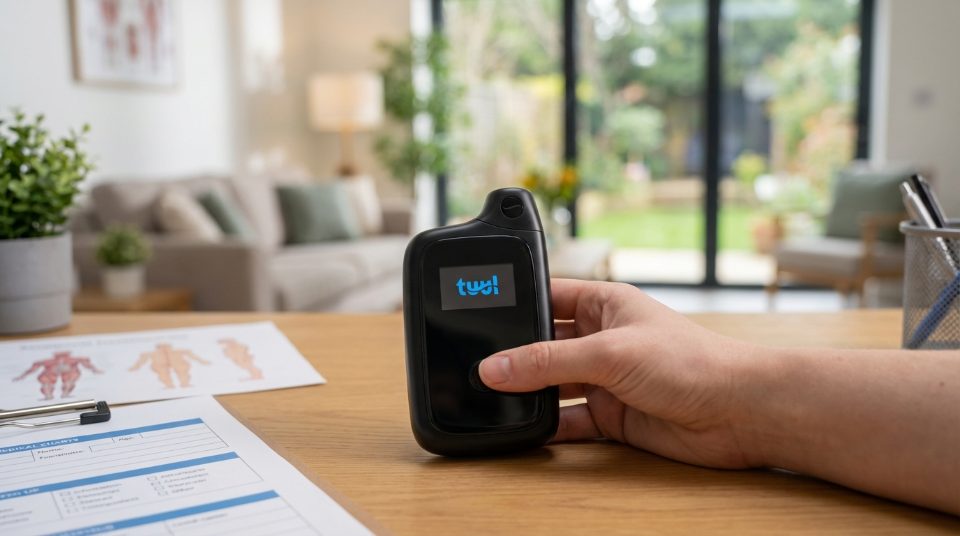
Professional Testing for Treatment Facilities The tuul® Breeze is a professional-grade breathalyzer designed for facility use. With fuel cell accuracy, cloud-based result storage, and streamlined reporting features, it provides the accountability your program needs while respecting client dignity. Contact us to discuss volume pricing and facility implementation. |
Frequently Asked Questions
How often should we test clients in residential treatment?
Most facilities test breath alcohol at least daily, with many testing multiple times. Common protocols include morning testing at wake-up, testing after any off-site activity, and random tests throughout the day. Supplement breath testing with periodic EtG urine tests (weekly or random) to catch drinking between breath tests.
Should we automatically discharge clients who test positive?
Automatic discharge policies sacrifice clinical judgment for administrative simplicity. A positive test is a clinical event that warrants assessment: What triggered the relapse? What additional support is needed? Discharge may be appropriate in some cases—repeated violations, safety concerns, treatment refusal—but shouldn't be the automatic response to every positive.
What's the difference between fuel cell and semiconductor breathalyzers?
Fuel cell sensors are alcohol-specific and more accurate, making them appropriate for clinical and legal settings. Semiconductor sensors are cheaper but less precise and can react to substances other than alcohol. For treatment facilities where results may inform clinical decisions or be reported to courts, fuel cell devices are worth the additional investment.
How do we handle clients who claim false positives?
Establish protocols in advance. Options include immediate confirmatory testing with a different method (EtG, blood test), documenting potential environmental exposures, and clinical assessment. Take claims seriously while maintaining accountability—some false positives do occur. Having clear protocols prevents ad-hoc decisions and ensures fair treatment.
Do we need medical staff to administer breath tests?
No. Breath alcohol testing can be administered by any trained staff member—residential technicians, program staff, or even peer support specialists with appropriate training. The key requirements are proper training on device operation, observation techniques, documentation procedures, and professional interaction with clients.