Alcohol Testing for Child Custody Cases: What You Need to Know
When alcohol becomes an issue
in a custody dispute, emotions run high—and the stakes couldn't be higher.
Whether you're the parent being
accused of alcohol abuse or the parent concerned about your child's safety,
understanding how alcohol testing works in family court can help you navigate
this difficult situation. The right approach to testing and documentation can
make a significant difference in custody outcomes.
This guide explains the types
of alcohol testing used in custody cases, what courts look for, and how to
proactively demonstrate sobriety if your fitness as a parent has been
questioned.
When Does Alcohol Testing Come Up in Custody Cases?
Alcohol testing isn't automatic
in custody disputes. It typically becomes relevant when one parent alleges the
other has an alcohol problem that affects their parenting ability, there's a
history of DUI/DWI or alcohol-related incidents, police reports or documented
incidents involve alcohol and the children, the child reports concerns about a
parent's drinking, one parent has entered treatment or acknowledged a substance
use disorder, or there are concerns about drinking during parenting time.
Courts take these allegations
seriously because their primary concern is the best interest of the child.
Even if accusations feel unfair, being prepared to address them head-on is
usually the smartest strategy.
Types of Alcohol Testing in Custody Cases
Family courts use several
methods to monitor alcohol use. Each has different detection windows, costs,
and levels of invasiveness.
EtG Urine Testing: Detects
ethyl glucuronide up to 80 hours after drinking. Costs $25-50 per test. Widely
accepted by courts but requires facility visits and can produce false positives
from hand sanitizer or mouthwash.
Hair Follicle Testing: Detects
alcohol markers up to 90 days. Costs $100-150+. Shows patterns over time but
doesn't capture recent use (takes 7-10 days to appear in hair).
Continuous Monitoring Ankle
Bracelets: Tests through sweat every 30 minutes, 24/7. Costs
$300-400+/month. Highly reliable but visible, stigmatizing, and typically
court-ordered rather than voluntary.
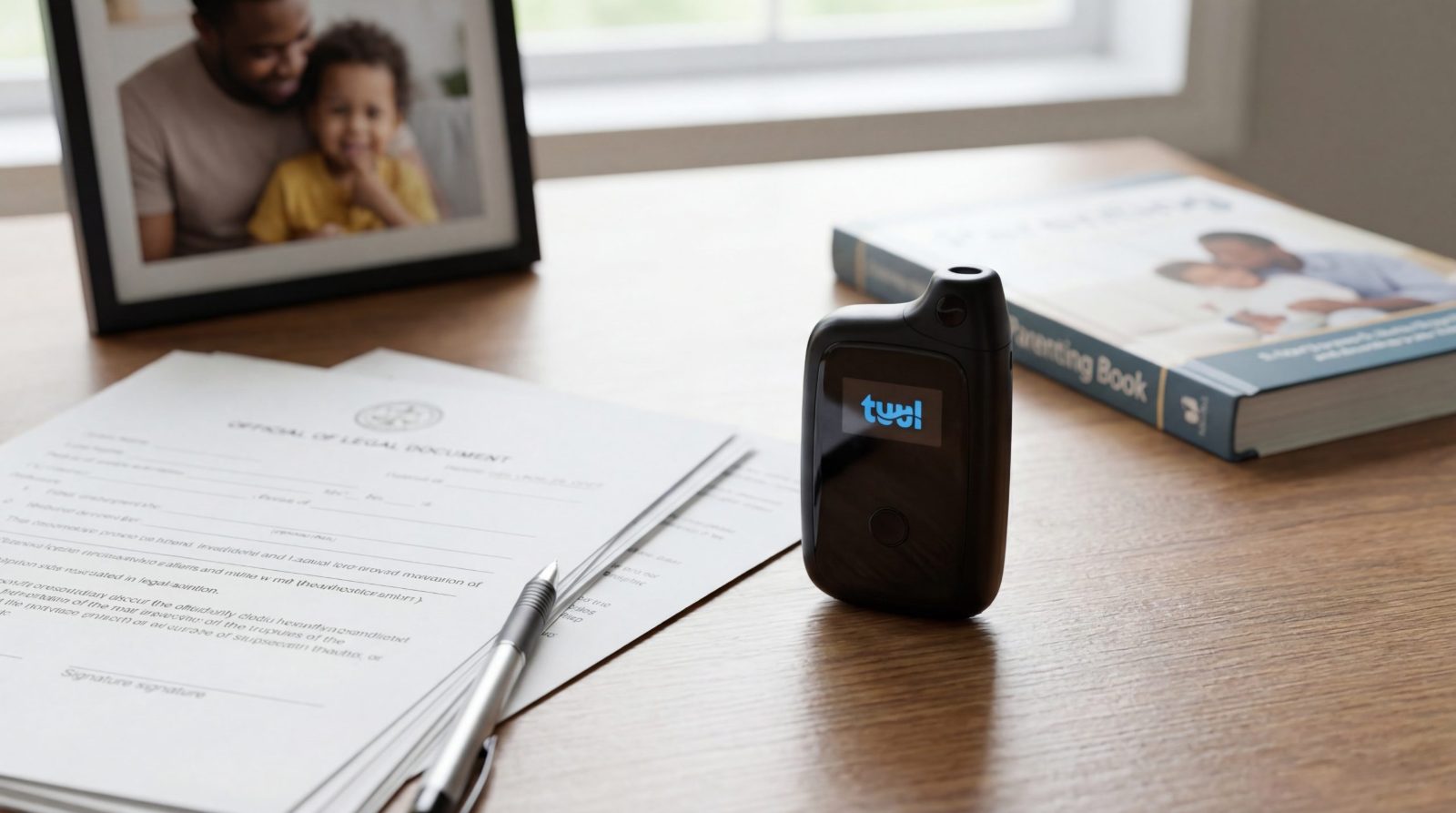
Portable Breathalyzers with
Remote Monitoring: Tests breath alcohol content in real-time. One-time
device purchase. Discreet, affordable, and provides documented results with
timestamps. Can include photo/video verification and result sharing with
attorneys or co-parents.
Should You Proactively Test Yourself?
If alcohol use has been raised
as an issue in your custody case—even if you believe the accusations are
unfair—proactive testing can be a powerful strategy. It shifts the
narrative from defending against accusations to demonstrating commitment. It
creates a documented record that's hard to argue against. It shows the court
you take the matter seriously. And it may prevent more invasive monitoring like
court-ordered ankle bracelets.
Talk to your attorney about the
best approach for your specific situation. In many cases, getting ahead of the
issue is better than waiting to be ordered into testing.
What Do Courts Look For?
Family court judges evaluating
alcohol concerns typically consider: pattern vs. isolated incident, impact on
the children, acknowledgment and action taken, current sobriety evidence, and
willingness to comply with monitoring. Courts generally respond well to parents
who take responsibility and demonstrate change.
Tips for Documenting Your Sobriety
Be consistent with regular
testing on a predictable schedule. Use verified methods with photo/video
verification, timestamps, and tamper-evident features. Keep records organized
with dates, times, and results. Test during parenting time if that's the concern.
Consider sharing results automatically with your co-parent or attorney for
transparency.
The Bottom Line
Alcohol testing in custody
cases isn't about winning or losing—it's about ensuring children are safe and
helping courts make informed decisions. Take the concerns seriously, work with
your attorney to develop a testing strategy, consider proactive testing to
build a positive record, choose testing methods that are verifiable and
court-appropriate, and keep your focus on what's best for your children.
The right testing approach can
help you demonstrate your fitness as a parent—and ultimately, that's what
matters most.
Need to The tuul® Breeze is a discreet, |
Frequently Asked Questions
Can a judge order alcohol
testing in a custody case?
Yes. Family court judges have
broad discretion to order alcohol testing when there are credible concerns
about a parent's drinking. This can include random urine tests, hair follicle
tests, continuous monitoring, or scheduled breathalyzer testing.
How does a DUI affect child
custody?
A DUI doesn't automatically
disqualify you from custody, but it will likely be considered. Courts look at
when it occurred, whether children were involved, whether it's part of a
pattern, and what steps you've taken since.
What's the best way to prove
sobriety in a custody case?
A combination of methods works
best: consistent breathalyzer testing with documented results, periodic EtG or
hair follicle tests, participation in treatment or support groups, and
character witnesses who can speak to your sobriety.
Are portable breathalyzer
results accepted in family court?
Many family courts accept
portable breathalyzer results, especially when they include verification
features like photos, timestamps, and result-sharing capabilities. Acceptance
varies by jurisdiction, so consult with your attorney.
How long does alcohol testing
last in custody cases?
Duration varies based on the court's concerns
and your compliance. Initial testing periods might be 3-6 months, with possible
extension or reduction based on results.