Mixing Alcohol and Medications: What You Need to Know
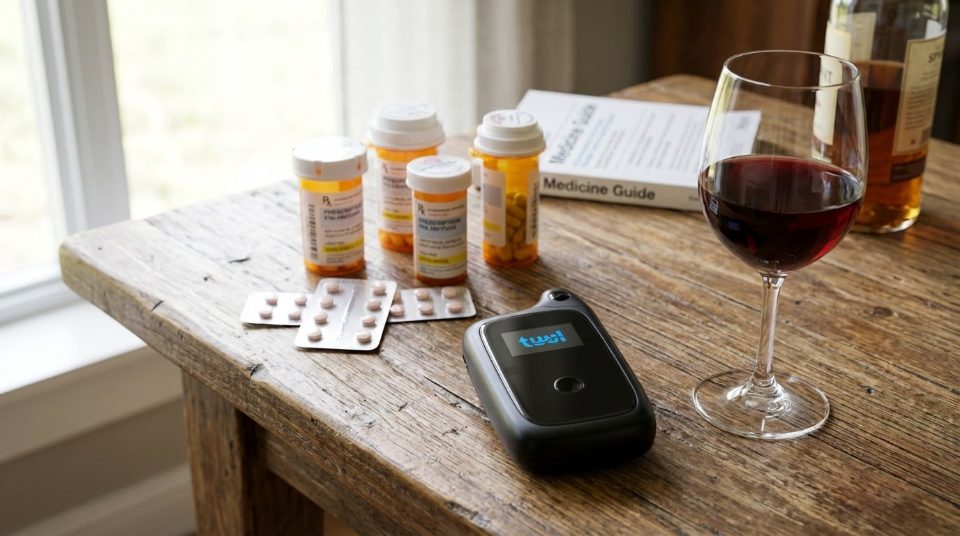
"Can I have a drink while taking this medication?" It's one of the most common questions people forget to ask their doctor or pharmacist—and one of the most important.
Alcohol interacts with hundreds of medications, sometimes in dangerous ways. These interactions can reduce drug effectiveness, amplify side effects, or create entirely new risks. Unfortunately, many people learn about these interactions the hard way.
This guide covers common medication categories that interact with alcohol, what those interactions look like, and how to make informed decisions if you take medications and choose to drink.
Important: This article provides general educational information, not medical advice. Always consult your doctor or pharmacist about specific interactions with your medications. When in doubt, don't drink.
How Alcohol-Medication Interactions Work
Alcohol affects how your body processes medications in several ways:
Liver Competition
Your liver processes both alcohol and many medications using the same enzyme systems. When you drink while taking certain drugs, your liver has to choose what to process first. As a result, medications may stay in your system longer at higher concentrations, or alcohol may not be processed as efficiently. Either way, the effects of one or both substances become amplified.
Additive Effects
Some medications have effects similar to alcohol—sedation, drowsiness, impaired coordination. When combined, these effects don't just add together; they often multiply. Consequently, a moderate amount of alcohol plus a sedating medication can produce severe impairment far beyond what either would cause alone.
Opposing Effects
Some medications work in ways that alcohol directly counteracts. For example, diabetes medications lower blood sugar while alcohol can cause unpredictable blood sugar swings. Similarly, blood pressure medications lower pressure while alcohol may raise it. These opposing effects can make medications ineffective or cause dangerous fluctuations.
Chemical Reactions
Certain medications react chemically with alcohol to produce toxic compounds or trigger severe physical reactions. The most famous example is metronidazole (Flagyl), which causes intense nausea, vomiting, and flushing when combined with alcohol. These reactions aren't just uncomfortable—they can be medically serious.
Common Medications That Interact With Alcohol
Pain Medications
Opioids (hydrocodone, oxycodone, codeine, tramadol): This is one of the most dangerous combinations. Both alcohol and opioids suppress breathing. Together, they can cause fatal respiratory depression even at doses that would be safe individually. Furthermore, both impair judgment and coordination, dramatically increasing accident risk. The combination is responsible for thousands of overdose deaths annually.
Acetaminophen (Tylenol): Both alcohol and acetaminophen are processed by the liver. Regular heavy drinking plus acetaminophen use can cause severe liver damage, even at normal acetaminophen doses. If you drink regularly, discuss safe pain relief options with your doctor.
NSAIDs (ibuprofen, naproxen, aspirin): Both alcohol and NSAIDs irritate the stomach lining. Combined use increases risk of stomach bleeding and ulcers. Occasional moderate use may be tolerable for some people, but regular combination use is risky.
Mental Health Medications
Antidepressants (SSRIs, SNRIs, tricyclics, MAOIs): Alcohol can worsen depression and anxiety while reducing antidepressant effectiveness. With sedating antidepressants, alcohol amplifies drowsiness and impairment. MAOIs have particularly dangerous interactions with certain alcoholic beverages, especially red wine and beer, potentially causing dangerous blood pressure spikes.
Anti-anxiety medications (benzodiazepines like Xanax, Valium, Ativan): This combination is extremely dangerous. Both substances depress the central nervous system. Together, they can cause severe sedation, respiratory depression, loss of consciousness, and death. Even small amounts of alcohol with benzodiazepines can be life-threatening.
Sleep medications (Ambien, Lunesta, other sedatives): Similar to benzodiazepines, sleep medications combined with alcohol can cause dangerous oversedation, complex sleep behaviors (like sleep-driving), and respiratory depression. The combination dramatically increases impairment and blackout risk.
Antibiotics
Metronidazole (Flagyl) and tinidazole: These antibiotics block alcohol metabolism, causing a severe reaction when alcohol is consumed. Symptoms include intense nausea, vomiting, headache, rapid heartbeat, and flushing. You should avoid alcohol during treatment and for at least 72 hours after finishing the medication.
Most other antibiotics: While many antibiotics don't have direct dangerous interactions, alcohol can still interfere with recovery by disrupting sleep, dehydrating you, and suppressing immune function. Additionally, antibiotics and alcohol are both processed by the liver, potentially affecting drug levels.
Diabetes Medications
Alcohol causes unpredictable effects on blood sugar. It can initially raise blood sugar, then cause it to drop dangerously low hours later—especially overnight. For people on insulin or sulfonylureas, this combination can cause severe hypoglycemia. Moreover, alcohol impairs your ability to recognize low blood sugar symptoms and respond appropriately.
Blood Pressure and Heart Medications
Many blood pressure medications can cause dizziness or fainting when combined with alcohol, since both lower blood pressure. Blood thinners like warfarin interact in complex ways—acute alcohol consumption can increase bleeding risk, while chronic heavy drinking affects how the body processes the medication. Always discuss alcohol use with your cardiologist.
Allergy and Cold Medications
Many over-the-counter allergy and cold medications contain sedating antihistamines or other ingredients that interact with alcohol. Drowsiness and impairment can be significantly amplified. Check the label for warnings, and note that "PM" or "nighttime" formulas typically contain sleep-inducing ingredients that are especially problematic with alcohol.
Quick Reference: Risk Levels
Medication Type | Alcohol Risk Level |
Opioid pain medications | NEVER combine - potentially fatal |
Benzodiazepines | NEVER combine - potentially fatal |
Sleep medications | NEVER combine - severe impairment risk |
Metronidazole/Flagyl | Avoid completely - severe reaction |
Diabetes medications | Caution - blood sugar risks |
Antidepressants | Caution - varies by type, discuss with doctor |
Blood pressure meds | Caution - dizziness, fainting risk |
Most other antibiotics | Moderate risk - may affect recovery |
If You Choose to Drink While on Medication
For some medications and some people, moderate alcohol use may be acceptable. However, you should always take these precautions:
- First, talk to your doctor or pharmacist. Ask specifically about alcohol interactions with your medications. Be honest about how much you typically drink.
- Then, read medication labels and inserts. Look for alcohol warnings. If it says "avoid alcohol," take that seriously.
- Additionally, start very slowly. If your doctor says moderate drinking is okay, start with less than you normally would. Observe how you feel before having more.
- Also, monitor your response. Pay attention to increased drowsiness, dizziness, or other unusual effects. Stop drinking if you notice anything concerning.
- Furthermore, never drive. Medication plus alcohol can impair you far more than either alone, even at low BAC levels. The impairment may not match what you'd expect from your alcohol consumption alone.
- Finally, consider checking your BAC. A breathalyzer tells you your actual blood alcohol level, though it doesn't measure medication effects. At minimum, it helps you understand one part of your impairment equation.
The Bottom Line
Alcohol interacts with hundreds of medications in ways that can be dangerous, uncomfortable, or simply counterproductive to your health. Some combinations are potentially fatal; others just reduce medication effectiveness.
The safest approach is to ask your doctor or pharmacist about every medication you take. Don't assume something is safe because it's over-the-counter or because you've combined it before without obvious problems. When in doubt, skip the drink.
If you do drink while on medication, take it very slowly, monitor your response carefully, and absolutely don't drive. Your impairment may be far greater than your BAC alone would suggest.
Know Your BAC, Especially When It Matters More The tuul® Breeze is a professional-grade portable breathalyzer that measures your actual blood alcohol content. While it can't measure medication effects, knowing your BAC helps you understand at least one factor in your total impairment—especially important when medications may amplify alcohol's effects. |
Frequently Asked Questions
Can I have one drink on antibiotics?
It depends on the antibiotic. Metronidazole (Flagyl) and tinidazole require complete alcohol avoidance. Most other antibiotics don't have severe interactions, but alcohol can still interfere with recovery by affecting sleep and immune function. Therefore, ask your pharmacist about your specific medication.
How long after taking medication can I drink?
This varies enormously by medication. Some drugs clear your system in hours; others remain active for days. For metronidazole, you should wait at least 72 hours after your last dose. For daily medications, the interaction concern is ongoing. Consequently, your pharmacist can provide specific guidance for your medications.
Will alcohol make my medication stop working?
In some cases, yes. Alcohol can reduce the effectiveness of certain medications, particularly some antidepressants and blood pressure medications. It can also counteract medications by causing opposite effects—like raising blood sugar when you're taking diabetes medication to lower it.
I've mixed alcohol and my medication before without problems. Is it safe?
Not necessarily. Some interactions cause cumulative damage (like liver stress) that doesn't show immediate symptoms. Others depend on dose—you may have been fine at one drink but not two. Additionally, interactions can vary with timing, food intake, and other factors. Past luck doesn't guarantee future safety.
Should I skip my medication if I want to drink?
Generally, no—skipping medication is usually more dangerous than avoiding alcohol. Missing doses can cause rebound effects, loss of disease control, or other problems. If you want to drink occasionally and your medication interacts with alcohol, discuss a plan with your doctor rather than skipping doses on your own.