Alcohol Monitoring Bracelet Alternative: Compare Your Alcohol Monitoring Options
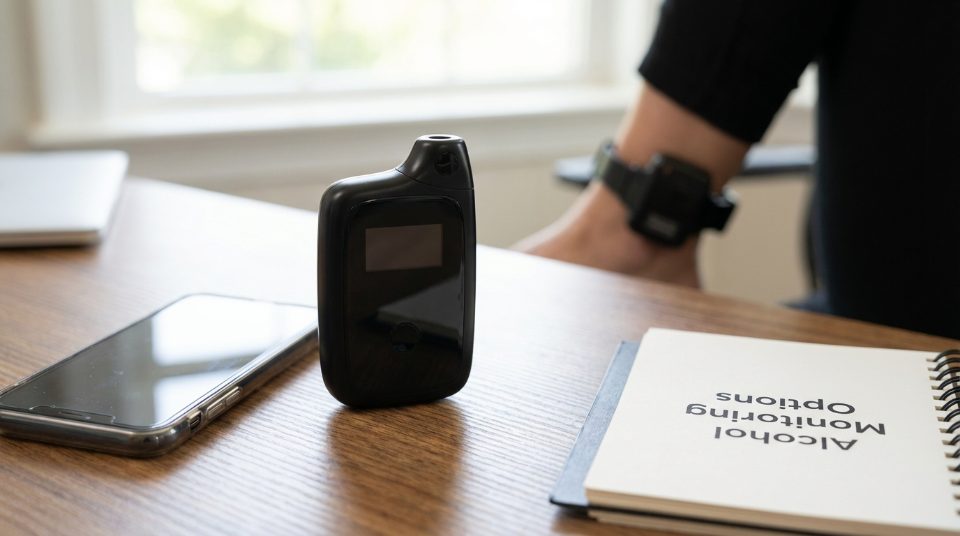
If you've been ordered to wear an alcohol monitoring ankle bracelet—or you're exploring alcohol monitoring options voluntarily—you're probably wondering: Is there a better way?
The short answer is yes. While ankle monitors have been the default for court-ordered alcohol monitoring for decades, newer alternatives offer more discretion, lower costs, and comparable accuracy. Whether you're navigating a custody case, supporting your own recovery, or meeting probation requirements, understanding your options can make a real difference in your daily life.
This guide breaks down everything you need to know about ankle monitor alternatives—what they are, how they compare, and which option might work best for your situation.
What Is an Alcohol Monitoring Ankle Bracelet?
An alcohol monitoring ankle bracelet is a device worn around the ankle that tests for alcohol consumption through your sweat. Most devices test every 30 minutes, 24 hours a day, and transmit results wirelessly to a monitoring center, which then reports to courts, probation officers, or other authorities.
These ankle bracelets are typically required in cases involving:
- DUI/DWI offenses (especially repeat offenses)
- Probation conditions requiring sobriety verification
- Child custody disputes where alcohol use is contested
- Domestic violence cases with substance abuse components
While ankle bracelets are effective at continuous monitoring, they come with significant drawbacks that lead many people to seek alternatives.
Why People Look for Ankle Monitor Alternatives
The Stigma Factor
Let's be honest: wearing an ankle monitor is embarrassing. It's visible under most clothing, raises questions at work, and can feel like a constant reminder of past mistakes. For people genuinely committed to recovery, the bracelet can feel more like punishment than support.
The Cost
Ankle monitors typically cost $300-400+ per month, including installation fees, daily monitoring fees, and removal costs. Over a 6-12 month monitoring period, you could easily spend $3,000-5,000 or more. For many people, this financial burden adds stress to an already difficult situation.
Physical Discomfort
Ankle bracelets must be worn 24/7, including during sleep, exercise, and showering. Many users report skin irritation, discomfort during physical activity, and difficulty sleeping. The device can also set off metal detectors and create awkward situations at airports or security checkpoints.
False Positives
Because ankle monitors measure alcohol through sweat, certain products can trigger false readings—hand sanitizers, cleaning products, even some skincare items containing alcohol. While the monitoring company typically investigates anomalies, false positives can cause unnecessary stress and legal complications.
Ankle Bracelet vs. Portable Breathalyzer: A Direct Comparison
Here's how the two main alcohol monitoring approaches stack up:
|
Factor |
Ankle Bracelet |
Portable Breathalyzer |
|
Monthly Cost |
$300-400+ |
$0-100 (one-time device purchase) |
|
Visibility |
Visible ankle device |
Discreet, pocket-sized |
|
Monitoring Type |
Continuous (every 30 min) |
Scheduled or on-demand tests |
|
Comfort |
Worn 24/7, can cause irritation |
Used only during tests |
|
Accuracy |
High (transdermal) |
High (fuel cell sensors) |
|
Court Acceptance |
Widely accepted |
Varies; often accepted with photo/video verification |
|
Best For |
High-risk DUI cases, strict court orders |
Custody cases, voluntary recovery, probation |
Types of Ankle Monitor Alternatives
1. Portable Breathalyzers with Remote Monitoring
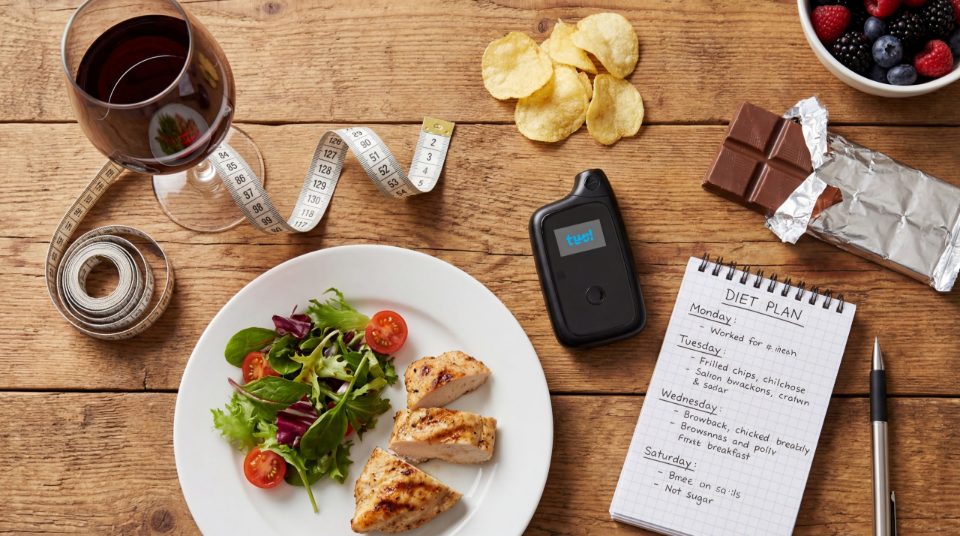
Modern portable breathalyzers like the tuul® Breeze offer professional-grade accuracy in a device small enough to fit in your pocket. Many include features specifically designed for accountability:
- Smartphone connectivity to log and share results
- Photo or video verification to confirm identity during tests
- Scheduled testing reminders to ensure compliance
- Results reporting to attorneys, probation officers, or family members
- Fuel cell sensor technology (the same used by law enforcement)
These devices are ideal for custody cases, voluntary recovery support, and situations where courts accept scheduled testing over continuous monitoring.
2. Remote Breathalyzer Monitoring Systems
Some companies offer portable alcohol monitoring systems that include facial recognition technology and cellular connectivity for automatic result reporting. While effective, these systems typically cost $300-400/month—similar to ankle bracelets—making them less appealing for cost-conscious users. Devices like the tuul® Breeze offer comparable functionality at a fraction of the ongoing cost.
3. EtG Urine Testing
EtG (Ethyl Glucuronide) tests can detect alcohol consumption up to 80 hours after drinking. These are often used alongside other monitoring methods but require visits to testing facilities, making them less convenient than at-home breathalyzer options.
4. Hair Follicle Testing
Hair tests can detect alcohol use over the past 90 days, providing a longer lookback window. However, they don't provide real-time monitoring and are typically used for periodic compliance checks rather than daily accountability.
Who Can Use an Ankle Monitor Alternative?
Whether you can use an alternative depends on your specific situation:
Custody and Family Law Cases
Portable breathalyzers are increasingly accepted in family court. If alcohol use is a concern in your custody case, demonstrating accountability with a portable monitoring device can help rebuild trust and show the court you're taking the matter seriously. Many family law attorneys now recommend portable breathalyzers as a less invasive alternative to ankle monitors.
Probation and Court-Ordered Monitoring
If you've been court-ordered to wear an ankle bracelet, switching to an alternative typically requires petitioning the court. Your attorney may be able to argue for a portable breathalyzer if you've demonstrated compliance, if the cost of the ankle monitor is creating financial hardship, or if there are medical reasons the ankle device is problematic.
Voluntary Recovery Support
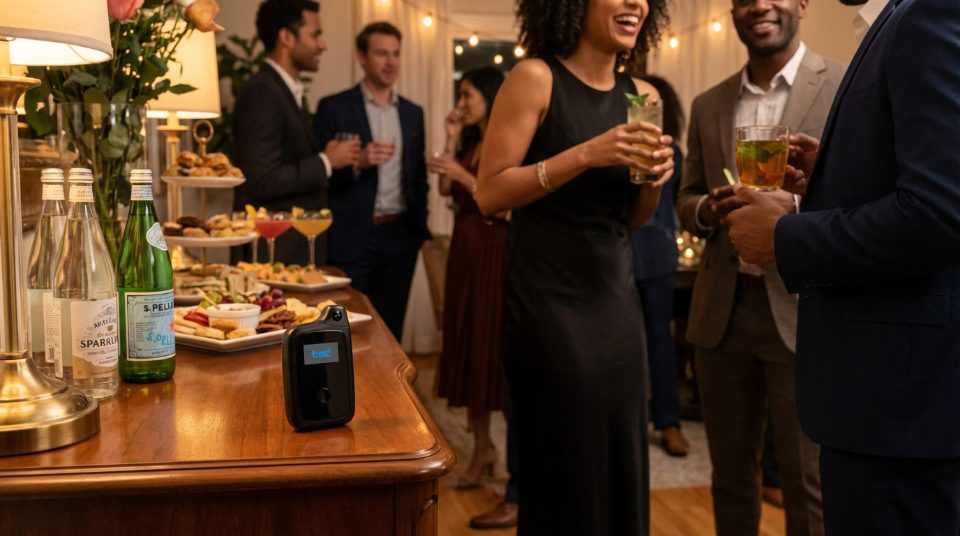
If you're monitoring your sobriety voluntarily—whether for personal accountability, to rebuild trust with family, or as part of a recovery program—you have complete freedom to choose the option that works best for you. Many people in recovery find that a portable breathalyzer provides the accountability they need without the stigma of an ankle monitor.
Rehabilitation and Sober Living Facilities
Treatment centers and sober living homes often use portable breathalyzers for resident monitoring. These devices allow facilities to verify sobriety efficiently without requiring residents to wear invasive monitoring equipment.
How to Choose the Right Alternative
When evaluating ankle monitor alternatives, consider these factors:
- Accuracy: Look for devices with fuel cell sensors, the same technology used by law enforcement. Semiconductor sensors are cheaper but less reliable.
- Verification features: If you need to prove your results to others, choose a device with photo or video verification and result-sharing capabilities.
- Court acceptance: Talk to your attorney about what monitoring methods your jurisdiction accepts. Requirements vary by state and judge.
- Total cost: Factor in both upfront costs and ongoing fees. A one-time device purchase often saves thousands compared to monthly monitoring fees.
- Ease of use: The best monitoring device is one you'll actually use consistently. Look for intuitive operation and reliable performance.
The Bottom Line
Ankle bracelets served an important purpose when they were introduced, but technology has evolved. Today's portable breathalyzers offer a dignified, cost-effective alternative for many situations—from custody cases to voluntary recovery support.
If you're currently wearing an ankle monitor or facing the prospect of one, it's worth exploring your options. Talk to your attorney about whether a portable breathalyzer could meet your monitoring requirements. And if you're pursuing sobriety on your own terms, know that you don't need an ankle monitor to prove your commitment.
Recovery is hard enough. Your monitoring device shouldn't make it harder.
|
Looking for a Dignified Alcohol Monitoring Solution? The tuul® Breeze is a discreet, accurate portable breathalyzer designed for people who want accountability without stigma. Learn more about how it works. |
Frequently Asked Questions
Can I switch from an ankle bracelet to a portable breathalyzer?
If your ankle monitor was court-ordered, you'll need to petition the court to change monitoring methods. Your attorney can advise whether this is possible in your case. If you're monitoring voluntarily, you can switch anytime.
Are portable breathalyzers accepted by courts?
Yes, many courts accept portable breathalyzer results, especially in custody cases. Acceptance varies by jurisdiction and judge. Devices with photo/video verification and result-sharing features are more likely to be accepted.
How much does an ankle monitor cost compared to alternatives?
Ankle monitors typically cost $300-400+ per month. Portable breathalyzers like the tuul® Breeze involve a one-time purchase cost with no ongoing monthly fees, potentially saving thousands of dollars over a monitoring period.
How accurate are portable breathalyzers compared to ankle monitors?
Professional-grade portable breathalyzers using fuel cell sensor technology offer accuracy comparable to devices used by law enforcement. They measure breath alcohol content directly, while ankle monitors measure alcohol through sweat.
What's the best ankle monitor alternative for custody cases?
Portable breathalyzers with verification features (photo/video confirmation and result-sharing) are often the best choice for custody cases. They demonstrate accountability while being less invasive than ankle monitors.